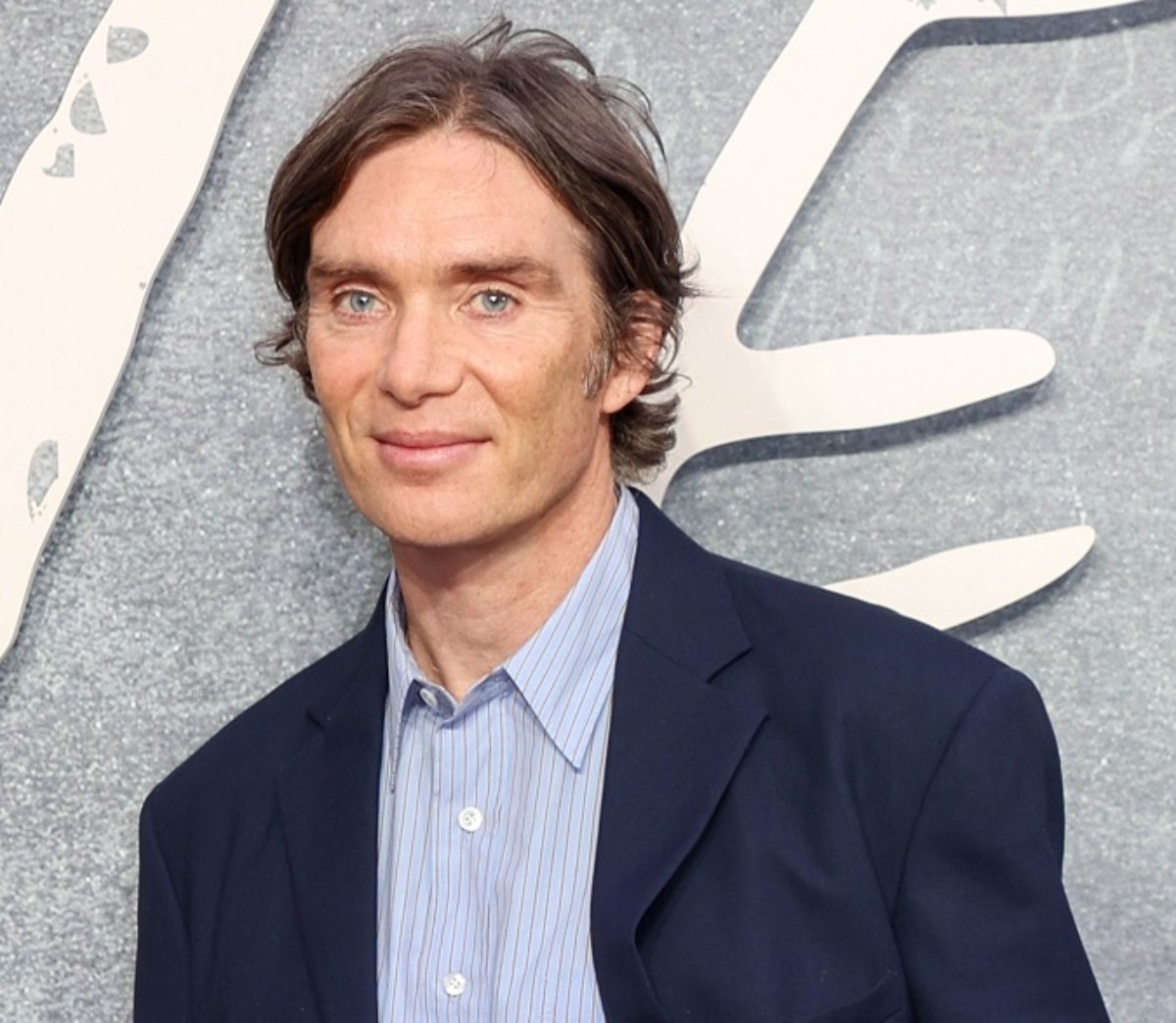
Cillian Murphy net worth in 2026 is estimated at $20 million, a figure that surprises many people given that he just won the Academy Award for Best Actor and headlined one of the highest-grossing films in history.
For an actor of his caliber, that number feels almost modest. And that gap between his cultural weight and his financial standing is actually the most interesting thing about him.
Cillian Murphy spent the better part of two decades doing exactly what most ambitious young actors are advised against: turning down blockbuster franchises, avoiding the celebrity lifestyle circuit, and deliberately choosing smaller, more challenging work over the roles that would have made him rich faster. He passed on opportunities that would have padded his bank account considerably, without apology.
What changed the equation wasn’t a sudden shift in strategy. It was time. Six seasons as Tommy Shelby in Peaky Blinders, where he eventually held both a lead salary and an executive producer credit, steadily built the financial foundation that his film work alone never would have. Then Christopher Nolan cast him in the title role of Oppenheimer, which grossed over $950 million worldwide and landed him on stages he had never occupied before. The Oscar followed. So did the market revaluation that comes with it.
So the real story behind Cillian Murphy net worth isn’t that the number is low. It’s that a man who spent twenty years prioritizing craft over commerce still managed to build genuine wealth just on a slower, quieter timeline than Hollywood usually rewards.
What Is Cillian Murphy’s Net Worth?
Cillian Murphy net worth is estimated at $20 million , placing him comfortably wealthy by any real-world standard, though notably understated for someone at the absolute peak of Hollywood’s prestige hierarchy.
The Confirmed Figure and Why Sources Disagree
No single verified figure exists for Cillian Murphy net worth because, unlike many celebrities, he has never publicly disclosed his earnings, contract values, or financial holdings. The $20 million estimate circulated across major celebrity wealth trackers is a calculated approximation based on reported salaries, industry benchmark rates, and publicly available production data, not a number Cillian Murphy or his representatives have confirmed.
Different outlets land on different figures for a straightforward reason: they weigh different income streams. Sites that factor in only his film salaries tend to arrive at lower estimates. Those that account for his Peaky Blinders producer credit, potential backend participation on Oppenheimer, and the compounding effect of residuals and streaming royalties push the figure higher. The honest answer is that $20 million represents the credible middle ground, not a ceiling or a floor.
It’s also worth noting that net worth estimates for private, press-averse actors like Murphy are inherently less reliable than those for celebrities who aggressively monetize their public profiles. Someone like Adin Ross, whose net worth is built on highly visible streaming revenue and brand deals, leaves a much cleaner financial paper trail. Cillian Murphy leaves almost none.
How His Net Worth Compares to Other A-List Actors
At $20 million, Cillian Murphy sits well below the tier of actors typically associated with his level of critical recognition. For context, peers who built their wealth through franchise work or high-volume commercial output often report net worths ranging from $50 million to several hundred million dollars, a gap that reflects career philosophy as much as talent.
What makes the comparison genuinely interesting is how it maps onto different models of celebrity wealth-building. Actors who maximize earnings tend to do so through franchise lock-ins, endorsement portfolios, and aggressive brand partnerships. Cillian Murphy has pursued almost none of that. His wealth is clean in the sense that it derives almost entirely from his actual work salaries, producer credits, and residuals rather than from the commercial machinery that surrounds celebrity.
For a different kind of comparison, consider how entertainers who diversified early into business and digital media have built fortunes that dwarf traditional acting salaries. Mia Khalifa’s net worth, built largely through social media, content creation, and brand work rather than any single industry role, illustrates just how different the financial architecture of modern fame can look. Cillian Murphy’s path is essentially the opposite: narrow, focused, and deliberately resistant to that kind of commercial expansion.
The result is a net worth that reflects exactly who he is as a professional: serious, selective, and unconcerned with optimizing his career for maximum financial return. Whether that reads as admirable restraint or a missed opportunity depends entirely on what you think fame is for.
Why Is Cillian Murphy’s Net Worth Considered Low for His Fame?
Cillian Murphy net worth appears low relative to his fame primarily because he spent two decades making deliberate choices that prioritized artistic credibility over financial maximization, and Hollywood’s pay structure rewards volume and franchises, not restraint.
The Deliberate Career Choices That Kept Him Under the Radar
The simplest explanation for the gap between Cillian Murphy’s cultural standing and his bank balance is that he engineered it, at least partially. From the earliest stages of his career, he demonstrated an unusual willingness to walk away from roles that would have been enormously lucrative but creatively hollow. He famously auditioned for the role of Batman before Christopher Nolan cast him as Scarecrow instead of a smaller part, but one that began a working relationship that would eventually lead to Oppenheimer. That trade-off captures his career logic precisely: less money now, better work always.
He also spent years anchored to projects with modest budgets and limited commercial reach, the kind of films that build reputations at festivals rather than fortunes at the box office. Each of those choices compounded. By the time the industry was ready to pay him at the level his talent warranted, he had already foregone the peak earning years that franchise actors typically exploit in their thirties and forties.
Compare that to artists like Garth Brooks, whose net worth of an estimated $430 million was built through relentless touring, strategic commercial partnerships, and an almost unmatched willingness to meet audiences wherever they were. The contrast isn’t a judgment; it’s an illustration of how differently two people can approach the relationship between their work and their wealth.
Stage Work, Indie Films, and the Price of Artistic Integrity
Theater pays almost nothing by Hollywood standards. A West End or Broadway run might earn an actor a fraction of what a single studio film would deliver, and Murphy has returned to the stage multiple times throughout his career, including a critically acclaimed run in Misterman that toured internationally. Those decisions cost him real money, and he made them anyway.
His independent film work tells a similar story. Films like Breakfast on Pluto, The Wind That Shakes the Barley, and Breakfast on Pluto operated on budgets where even the lead actor’s salary would barely register against a mid-tier studio production. The craft was compensation. That’s not a complaint; it’s a conscious trade, and Cillian Murphy has spoken openly about the fact that the work itself is the primary metric he uses to evaluate opportunities.
The financial consequences are straightforward: actors who spend significant portions of their careers in theater and independent cinema accumulate less wealth than those who spend those same years in studio franchises, regardless of how much critical recognition they earn along the way.
How Pay Transparency in Hollywood Skews Perception
Part of why Murphy’s net worth feels surprisingly low is that public perception of Hollywood wealth is heavily shaped by the outliers, the actors whose deals make headlines precisely because they are extraordinary. When audiences hear that a Marvel lead earned $50 million for a single film, that number becomes the unconscious benchmark against which every other actor’s wealth gets measured.
The reality is that most working actors, even highly respected and consistently employed ones, earn far less than those headline figures suggest. Hollywood’s pay structure is aggressively top-heavy, and the actors who command transformative salaries are typically those attached to intellectual property that studios protect as a multi-billion-dollar asset. Murphy, for most of his career, was not that kind of asset; he was something rarer and, commercially speaking, less valuable: a genuinely great actor without a franchise.
This dynamic plays out across entertainment more broadly. Tyrese Gibson’s net worth, for instance, was meaningfully shaped by his involvement in the Fast & Furious franchise. This series generated billions and shared enough of that revenue with its cast to produce real wealth. Murphy had no equivalent engine driving his earnings until Peaky Blinders arrived, and even then, the economics of prestige television are considerably more modest than those of a global action franchise.
The perception problem, then, is partly a math problem and partly a media problem. We measure actors against the most visible, most extreme examples of Hollywood wealth, and against that benchmark, almost everyone looks underpaid.
Cillian Murphy Net Worth Before Peaky Blinders
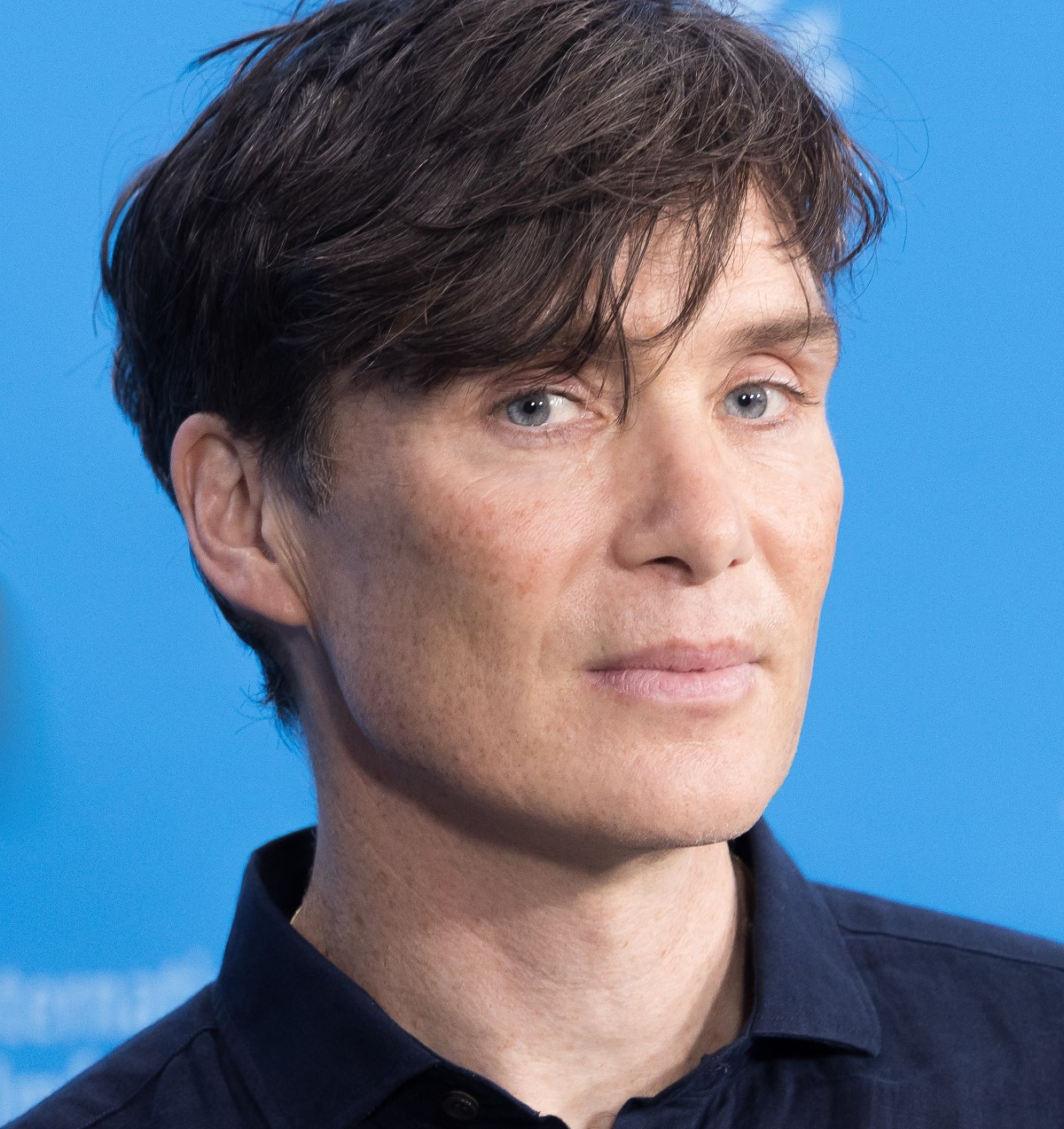
Before Peaky Blinders began airing in 2013, Cillian Murphy net worth is estimated to have been in the range of $2 to $4 million, respectable for a working actor with strong critical credentials, but modest by any mainstream Hollywood standard.
Early Career Earnings: 28 Days Later, Batman Begins, and Red Eye
Murphy’s financial foundation was built across a decade of solid but unspectacular commercial performance. His breakthrough came with Danny Boyle’s 28 Days Later in 2002, a low-budget horror film that cost approximately $8 million to make and grossed over $82 million worldwide. For a film of that budget tier, lead actor salaries rarely exceed the low six figures meaningful, but not wealth-building money.
Batman Begins in 2005 was a different scale entirely. The film grossed over $370 million globally and launched one of the most successful franchise reboots in cinema history. Murphy played Scarecrow in a significant supporting role, not the lead, which meant his salary reflected that billing. Supporting players in major studio productions of that era typically earned between $500,000 and $2 million depending on their profile and negotiating leverage. Murphy, at that stage, had a profile but limited leverage.
Red Eye, the same year, a tight Wes Craven thriller in which Murphy played the villain opposite Rachel McAdams, performed solidly at the box office but was produced on a modest budget. Again, the payday was real but not transformative.
The pattern across this period was consistent: Murphy worked regularly, earned professional wages, and built a reputation that far outpaced the financial rewards those projects delivered. He was, by any measure, a successful actor, just not a wealthy one.
How Much He Was Worth Before Tommy Shelby Changed Everything
By the time Peaky Blinders went into production, Murphy had accumulated roughly a decade of steady film work without a single project that fundamentally changed his earning trajectory. The films were good. The reviews were excellent. The bank account grew incrementally rather than dramatically.
This isn’t unusual for actors who operate primarily in the prestige and independent space. Wealth accumulation in Hollywood follows a relatively predictable pattern: it either comes fast, through early franchise attachment, or it comes slowly, through the kind of career-long credibility that eventually commands serious television money. Murphy was firmly on the second path.
For context, consider how wealth builds differently across industries and models. Adele’s net worth, estimated at around $220 million, reflects the alignment of critical acclaim and commercial dominance. Her first two albums alone generated revenues that most artists never approach across an entire career. Murphy’s pre-Peaky Blinders trajectory had the critical acclaim without the commercial explosion.
At the other end of the spectrum, artists like NBA YoungBoy, whose net worth was built through extraordinary streaming volume and an almost relentless release schedule, demonstrate how high-output commercial models generate wealth on a completely different timeline. Murphy’s approach, selective, slow-burning, quality-over-volume, was essentially the philosophical opposite.
What Peaky Blinders changed wasn’t Murphy’s approach to his career. It was the scale at which that approach was finally rewarded. For the first time, he had a long-running role on a show with genuine global reach, and the cumulative earnings across six seasons began to reshape his net worth. Tommy Shelby didn’t just make Cillian Murphy famous to a wider audience. He made him genuinely financially secure for the first time.
How Peaky Blinders Built Cillian Murphy’s Fortune
Peaky Blinders was the single most important financial event in Cillian Murphy’s career, transforming him from a critically respected working actor into someone whose net worth reflected his actual standing in the industry.
What He Earned Per Episode as a Lead and Executive Producer
Precise per-episode figures for Peaky Blinders have never been officially disclosed, which is consistent with how BBC productions typically handle talent compensation quietly and without the kind of public contract visibility that American network deals sometimes generate. Based on industry benchmarks for prestige British television and Murphy’s profile at the time of each season, credible estimates place his per-episode earnings somewhere between $100,000 and $200,000 by the later seasons, with earlier seasons likely paying considerably less.
What makes the Peaky Blinders compensation structure more interesting than a straight acting salary is Murphy’s executive producer credit on the series. That title isn’t ceremonial. Executive producers on long-running prestige television typically receive a separate fee on top of their acting salary, participate in decisions that affect the show’s commercial value, and in some structures hold entitlements tied to the show’s overall performance and licensing. For Murphy, that credit represented a meaningful financial upgrade over what a straight acting deal would have delivered.
The Cumulative Salary Across Six Seasons
Peaky Blinders ran for six seasons between 2013 and 2022, comprising 36 episodes. Applying conservative industry estimates across that run, accounting for the fact that Murphy’s rate almost certainly increased substantially between Season 1 and Season 6 as the show’s global profile grew, cumulative acting earnings from the series likely fall somewhere in the range of $4 to $8 million before taxes, producer fees, and any backend participation.
That range might sound underwhelming given the show’s cultural footprint, but it accurately reflects the economics of prestige British television versus American streaming productions. BBC budgets, even for flagship dramas, operate at a fraction of what HBO or Netflix allocates per episode for comparable projects. Murphy’s Peaky Blinders salary was excellent by BBC standards; it simply wasn’t the kind of number that a lead on a major American streaming drama would command for the same body of work.
What the six-season run delivered beyond the direct salary was something arguably more valuable: the sustained global visibility that repositioned Murphy as a bankable leading man rather than a respected character actor. That repositioning is what made everything that came after, including Oppenheimer, financially possible.
Backend Deals, Streaming Bonuses, and Royalties
When Peaky Blinders landed on Netflix for international distribution, it found an audience that the original BBC broadcast had never reached. The show became a genuine global phenomenon through streaming, introducing Tommy Shelby to viewers across markets where the BBC had minimal penetration. Whether Murphy’s contracts included provisions that would financially benefit from that streaming performance depends entirely on the specific terms and details that remain private.
What is generally understood about the television industry is that actors who negotiate backend participation or streaming bonuses on shows that later become streaming hits can earn significantly more than their base salary suggests. For context, the gap between an actor’s disclosed salary and their total compensation from a successful show can be substantial once residuals, licensing revenues, and platform bonuses are factored in.
This kind of financial complexity is common across high-profile entertainment careers. Kristen Stewart’s net worth, estimated at around $70 million, was shaped not just by her Twilight salaries but by backend deals on a franchise that generated nearly $3.4 billion at the global box office. In this structure, the difference between a flat fee and a percentage participation can be worth tens of millions of dollars. Murphy’s situation with Peaky Blinders operated at a smaller scale, but the same principle applies: the base salary is rarely the complete financial picture.
What Peaky Blinders ultimately built for Cillian Murphy wasn’t just a larger bank balance. It built the platform, the leverage, and the market positioning that allowed him to walk into the Oppenheimer negotiation as something the industry had never quite classified him as before: a genuine movie star.
Cillian Murphy Net Worth After Oppenheimer

Oppenheimer was the inflection point that permanently recalibrated Cillian Murphy’s financial trajectory, not just because of what it paid him, but because of what it signaled to the industry about what he was now worth.
His Reported Salary for Christopher Nolan’s Blockbuster
Murphy’s base salary for Oppenheimer has been reported at approximately $5 million, a figure that represents a substantial leap from anything his previous film work had delivered. For context, that single paycheck likely exceeded his cumulative earnings from the first several seasons of Peaky Blinders combined.
The $5 million figure places him within a respectable but not extraordinary bracket for a major studio production of Oppenheimer‘s scale and ambition. Robert Downey Jr., returning to the MCU for Avengers: Endgame, reportedly earned $75 million. That comparison isn’t entirely fair; franchise veterans with decades of box office leverage operate in a completely different salary tier, but it illustrates precisely where Murphy sat at the time of filming: valued, but not yet commanding the kind of transformative deal that only comes after you’ve proven you can open a film on your name alone.
What remains unknown is whether Murphy negotiated any form of backend participation on Oppenheimer, such as a percentage of profits, a bonus tied to box-office thresholds, or a streaming bonus when the film moved to Peacock. Given that Nolan himself is known for negotiating substantial backend deals, and that Murphy’s representation would have been aware of the film’s commercial potential, it is entirely plausible that his total Oppenheimer compensation exceeded the reported base figure by a meaningful margin.
Box Office Performance and What It Meant for His Market Value
Oppenheimer grossed $952 million worldwide on a $100 million production budget, making it one of the highest-grossing biographical films ever and the highest-grossing film in Christopher Nolan’s already extraordinary career. It performed in a way that no one in the industry, however optimistic, had fully anticipated for a three-hour, R-rated drama about a theoretical physicist.
For Murphy, that box office performance did something that critical acclaim alone had never managed: it demonstrated that audiences would show up specifically for a film built around him. He was not a supporting player in an ensemble. He was not the villain in someone else’s franchise. He was J. Robert Oppenheimer, and the film’s commercial success was inseparable from his performance at its center.
In Hollywood’s commercial logic, that proof-of-concept is worth more than any award. Studios and producers operate on demonstrable box-office evidence when setting salaries, and Murphy’s association with a $952 million global hit fundamentally changed the data point they use to calculate what he is worth to a production. His market value after Oppenheimer is simply not the same number it was before it.
The Oscar Effect: How a Best Actor Win Reshapes Earning Power
Murphy won the Academy Award for Best Actor for Oppenheimer at the 2024 ceremony, becoming only the second Irish actor to win the award in that category. The Oscar is not, by itself, a financial instrument; it does not come with a check. But its downstream effect on an actor’s earning power is well documented and significant.
Best Actor winners typically see their asking price increase by anywhere from 50 to 100 percent in the immediate aftermath of a win, according to industry analysts who track talent compensation. That uplift reflects the award’s role as the industry’s highest-quality certification, signaling to studios, streamers, and financiers that attaching this actor to a project carries genuine prestige that can influence awards campaigns, critical reception, and certain audience segments.
For Murphy specifically, the Oscar arrived at the precise moment when his market value was already ascending sharply. The combination of a $952 million box-office hit and a Best Actor win within the same twelve-month window is the kind of career convergence that agents spend entire careers trying to engineer for their clients. The practical consequence is that any project Murphy commits to going forward will be negotiated from a position of leverage he has never previously held. His next major film deal will almost certainly set a new personal salary record, and that deal, whenever it comes, will be the moment his net worth begins to reflect what his reputation has been worth for years.
All Income Sources Explained
Cillian Murphy’s $20 million net worth is the result of multiple income streams accumulated over more than two decades. However, the mix is notably different from that of most actors at his level, shaped by what he has consistently chosen not to do rather than by what he has pursued.
Film Salaries (Complete Career Breakdown)
Murphy’s film earnings tell the story of a career that built slowly and peaked late. His earliest significant roles 28 Days Later, Batman Begins, Red Eye, Breakfast on Pluto arrived during a period when his profile was growing faster than his salary. Early-career film salaries for actors in his position typically range from $100,000 to $500,000 per project, with supporting roles in major studio films occasionally pushing higher.
Through the mid-2000s and into the 2010s, Murphy worked consistently across a mix of studio productions and independent films. The Dark Knight in 2008, Inception in 2010, and Dunkirk in 2017 all Nolan collaborations kept him visible in major commercial releases, though always in supporting capacities that carried supporting-level compensation. Inception grossed over $836 million worldwide, but Murphy’s role as the mark rather than the lead meant his financial participation was limited accordingly.
The salary trajectory changed meaningfully only with Oppenheimer, when his reported $5 million base salary marked the first time a film had compensated him in proportion to his actual standing. That single paycheck shifted the center of gravity of his career earnings considerably.
Television Earnings
Television has been the most consistent and ultimately most significant source of income in Murphy’s career. Beyond Peaky Blinders, his earlier television work, including the Irish series The Last Frontier and various BBC productions, paid professional rates but did not generate exceptional compensation.
Peaky Blinders changed that entirely. As the show grew from a well-regarded BBC Two drama into a global Netflix phenomenon, Murphy’s per-episode rate rose accordingly. His dual role as lead actor and executive producer meant he was drawing income from two separate streams for the same production. This structure meaningfully increased his total television earnings beyond what the acting salary alone would suggest.
Prestige television has become one of the most reliable wealth-building mechanisms available to serious actors, precisely because long-running shows generate cumulative earnings that individual film projects rarely match. A six-season run, even at modest per-episode rates, compounds into a substantial total over the course of a decade.
Theater and Stage Work
Theater represents the most financially sacrificial element of Murphy’s career, and also the one he has returned to most willingly. Stage work in the United Kingdom and Ireland, even at the highest professional levels, pays a fraction of what film and television deliver. West End leads typically earn between £1,000 and £5,000 per week in meaningful wages, but this is negligible compared to a film salary.
Murphy’s stage appearances, including his internationally toured one-person show Misterman and various productions at the Druid Theatre in Galway, were never made for financial reasons. They were creative recalibrations, ways of returning to a form of acting that operates without the commercial machinery surrounding film and television. The cost in foregone earnings was real. Murphy absorbed it deliberately and repeatedly.
Endorsements and Brand Deals (or the Absence of Them)
This section is brief by necessity: Cillian Murphy has virtually no public endorsement portfolio. He does not appear in advertising campaigns. He has not attached his name to fashion houses, luxury brands, or commercial partnerships in any visible way. For an actor of his profile, that absence is genuinely unusual and financially significant.
Actors at comparable levels of fame who actively engage with the endorsement market can earn anywhere from $1 million to $10 million annually from brand partnerships alone, income that accumulates independently of whatever projects they are working on. Murphy has left that revenue stream almost entirely untouched, whether by personal preference, deliberate brand protection, or simple disinterest in the commercial dimensions of celebrity.
It is one of the clearest financial expressions of his broader career philosophy: the work is the thing, and everything surrounding the work is noise.
Producer Credits and Backend Participation
Murphy’s executive producer credit on Peaky Blinders is the most financially sophisticated element of his income structure. Producer fees for long-running prestige television are typically calculated as a percentage of the episode budget or as a flat fee per episode, and they accumulate across all episodes produced, regardless of whether the actor appears in them.
Beyond the direct fee, producer credits can entitle holders to participate in a show’s downstream commercial life, including licensing revenues, format sales, merchandise agreements, and streaming deals. The global reach that Peaky Blinders achieved through Netflix makes those downstream rights potentially valuable, though the specific terms of Murphy’s producer deal remain private.
What the producer credit represents, in the broadest sense, is Murphy’s evolution from talent to stakeholder, a shift that the most financially sophisticated actors deliberately engineer because it transforms a finite salary into potentially open-ended participation in the value they help create. It is, quietly, the smartest financial move of his career.
Cillian Murphy’s Lifestyle and How He Spends His Money

Cillian Murphy spends his money with the same restraint he applies to his career: deliberately, quietly, and with almost no interest in the performative consumption that defines celebrity wealth culture for most people at his level.
Property: His Homes in Dublin and Beyond
Property is the most visible component of Cillian Murphy’s personal spending, and even here the choices reflect his broader sensibility. He has been consistently based in Dublin, where he returned with his family after years of splitting time between Ireland and London. That decision alone choosing Dublin over Los Angeles or London as a primary residence carries financial implications, since Irish property values. At the same time, significant by European standards, operate in an entirely different universe from the Hollywood Hills real estate that serves as the default status symbol for actors of his earning power.
Murphy and his wife, artist Yvonne McGuinness, whom he married in 2004, have maintained a genuinely private domestic life. Details about their specific properties are not publicly documented in the way celebrity real estate is typically reported and valued, which is itself a reflection of how successfully they have kept their personal lives outside the media ecosystem. What is known is that they own property in Ireland and have previously maintained a residence in London during the Peaky Blinders years.
For context, actors who treat real estate as both a lifestyle statement and an investment vehicle can accumulate property portfolios worth tens of millions of dollars. Tom Brady’s net worth of an estimated $300 million is partly underpinned by a real estate history that includes a $37 million Tribeca penthouse and multiple high-value properties across different markets. Cillian Murphy’s approach to property appears to be the functional opposite of homes as places to live rather than assets to display.
His Famously Low-Key Approach to Celebrity Spending
Murphy does not own a fleet of luxury cars. He does not holiday on superyachts. He does not appear at the kind of high-visibility social events where celebrity wealth typically gets performed for public consumption. By every observable measure, he lives like someone who values privacy and normalcy far above the signals that wealth usually broadcasts.
This is not false modesty or carefully managed public relations. People who have worked with Cillian Murphy and journalists who have interviewed him consistently describe someone who is genuinely uninterested in the trappings of fame, who cycles around Dublin, attends local events without security details, and has sustained a marriage and a family life outside the spotlight for over two decades. That lifestyle is not an accident. It requires active resistance to the gravitational pull of celebrity culture, and Murphy has maintained it throughout a career that now operates at the very highest levels of global recognition.
The financial consequence of that restraint is meaningful. Celebrities who spend aggressively on lifestyle private jets, luxury fashion, high-maintenance social obligations, and multiple staffed properties can consume extraordinary amounts of wealth even on large incomes. Jennifer Aniston’s net worth of an estimated $320 million has been built and sustained in part because her earning power has consistently exceeded even a comfortable celebrity lifestyle spend. For Cillian Murphy, the equation is simpler: his income, while modest by superstar standards, is largely preserved rather than consumed, because his spending reflects the habits of someone who was not wealthy for most of his adult life and does not appear to have recalibrated upward now that he is.
There is also something worth noting about how this lifestyle philosophy interacts with his long-term financial security. Actors whose net worth reflects genuine accumulation rather than the difference between large income and larger spending tend to maintain their wealth more durably than those whose financial standing depends on continued high earnings. Cillian Murphy is not someone whose $20 million net worth requires constant replenishment to sustain his lifestyle. That is, quietly, a form of financial intelligence that many far wealthier celebrities never manage.
For comparison, consider the contrast with artists who have built vastly larger fortunes through an equally deliberate but opposite approach, leveraging fame into every available commercial channel. Drake’s net worth, estimated in the hundreds of millions, reflects a career-long willingness to monetize visibility through music, streaming, brand partnerships, and business ventures that Cillian Murphy has never pursued and almost certainly never will. Neither approach is objectively correct. They are simply expressions of entirely different relationships with money, fame, and what a career is ultimately for.
Conclusion
Cillian Murphy net worth of $20 million in 2026 is the financial portrait of a man who spent two decades proving that artistic integrity and commercial success are not mutually exclusive; they just don’t always arrive on the same schedule.
The numbers tell a clear story when you read them in sequence. Early-career earnings built slowly through respected but modestly compensated work. A six-season television run that finally matched his compensation to his caliber. A single film that grossed nearly $1 billion and reset his market value permanently. An Oscar that certified what the industry already knew and gave his representatives the leverage to demand what he was always worth. Each chapter compounds into the next, and the $20 million figure, while modest against the headline wealth of Hollywood’s biggest commercial stars, represents something those larger numbers sometimes don’t: a fortune built entirely on the quality of the work itself.
What makes Cillian Murphy’s financial story genuinely instructive is the contrast it offers with the many different ways wealth accumulates in entertainment. Jack Black’s net worth, built across decades of high-energy commercial film work and a massively successful YouTube channel, reflects a performer who embraced every available platform with enthusiasm. Bow Wow’s net worth tells a cautionary story about early wealth, changing markets, and the financial volatility that can follow a career that peaked young. And emerging stars like Sabrina Carpenter, whose net worth is ascending rapidly on the back of a breakthrough moment that reshaped her commercial standing overnight, are writing early chapters that could go in any direction depending on the choices that follow.
Murphy’s chapter, by contrast, reads as one of the more coherent narratives in modern entertainment, slow, deliberate, and ultimately rewarding in ways that extend well beyond the balance sheet.
At Lite Facts, we believe that the most interesting stories about wealth are rarely about the numbers themselves. They are about the choices, values, and philosophies that produce those numbers over time. Cillian Murphy net worth is $20 million. But the story behind it is worth considerably more than that.
Frequently Asked Questions(FAQs)
Is Cillian Murphy a Millionaire?
Yes, Cillian Murphy is a millionaire; specifically, his net worth is estimated at $20 million, making him a multi-millionaire by any standard. The question gets asked more often than you might expect, largely because Murphy’s public persona projects so little of the visible wealth that people associate with Hollywood success.
How Much Did Cillian Murphy Make from Peaky Blinders Specifically?
No official figure has ever been disclosed, but working from industry benchmarks across 36 episodes and six seasons, credible estimates place Cillian Murphy’s total Peaky Blinders earnings, combining his acting salary with his executive producer fee, somewhere in the range of $4 to $8 million over the show’s full run.
Did Oppenheimer Make Cillian Murphy Rich?
Oppenheimer didn’t make Murphy rich from a standing start; Peaky Blinders had already laid the foundation, but it meaningfully accelerated his wealth and permanently upgraded his market value. His reported base salary of $5 million for the film was the largest single payday of his career, and the film’s extraordinary commercial performance, grossing $952 million worldwide, demonstrated to the industry that he could anchor a major studio release at the highest level.
Why Does Cillian Murphy Seem to Have Less Money Than Comparable Stars?
The gap between Cillian Murphy net worth and that of actors with similar or lesser reputations comes down to three factors operating in combination. None of this reflects poorly on his financial management. It reflects a career built around different priorities, and the $20 million he has accumulated despite those choices is a testament to the cumulative value of sustained, high-quality work over a very long period.
What Is Cillian Murphy’s Salary Per Movie?
Cillian Murphy’s per-film salary has varied enormously across his career depending on the project’s budget, his role within it, and the negotiating leverage he held at the time. Early-career films likely paid him between $100,000 and $500,000. Mid-career studio work, particularly his supporting roles in Christopher Nolan’s films, would have commanded fees in the $500,000 to $2 million range, in line with industry standards for actors of his profile at the time.