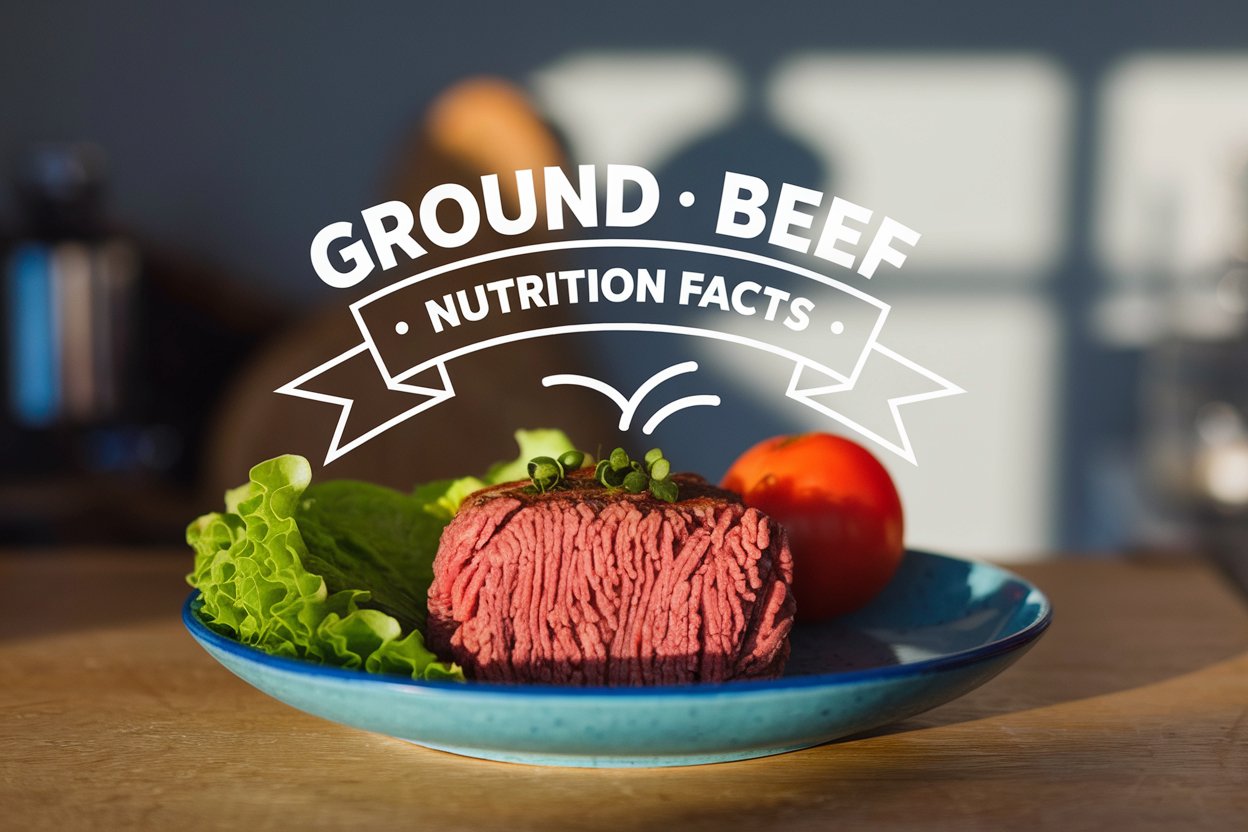
Ground beef is a staple element in kitchens worldwide. From juicy burgers to comforting casseroles and flavorful tacos, it’s loved for its taste and versatility. However, beyond its culinary charm, Ground Beef Nutrition Facts reveal that this meat is a nutritional powerhouse, packed with protein, vitamins, and essential minerals.
If you’ve ever wondered whether ground beef is really good for you, the answer might surprise you. Let’s dive deep into the Ground Beef Nutrition Facts that make it one of the most nutrient-dense foods available today.
Why Ground Beef Deserves a Closer Look
Ground beef has long been misunderstood. Many associate it solely with high fat and cholesterol, but Ground Beef Nutrition Facts show a more nuanced picture. When eaten in moderation and prepared correctly, it offers essential nutrients that fuel muscle growth, brain function, immunity, and energy levels.
Moreover, modern consumers now have access to leaner, grass-fed, and organic options — all of which improve the nutritional value while reducing unhealthy fat intake.
Nutritional Breakdown of Ground Beef
The nutritional profile of ground beef depends on its fat-to-lean ratio. Here’s a detailed breakdown of Ground Beef Nutrition Facts per 3-ounce (85g) cooked serving:
| Nutrient | Amount (85% Lean Beef) | % Daily Value* |
|---|---|---|
| Calories | 200 kcal | 10% |
| Protein | 22 g | 44% |
| Total Fat | 9 g | 14% |
| Saturated Fat | 4 g | 20% |
| Cholesterol | 70 mg | 23% |
| Iron (Heme Iron) | 2.4 mg | 13% |
| Zinc | 5 mg | 30% |
| Vitamin B12 | 2.4 mg | 40% |
| Selenium | 18 mg | 25% |
| Sodium | 70 mg | 3% |
*Percent Daily Deals are based on a 2,000-calorie diet.
Ground Beef Protein Content
Protein is one of the biggest highlights in Ground Beef Nutrition Facts. A 3-ounce portion supplies about 22 grams of high-quality protein, essential for:
- Building and repairing muscle tissue
- Producing enzymes and hormones
- Supporting immune function
- Maintaining satiety (fullness) for weight control
Beef protein is finished, meaning it contains all nine crucial amino acids your body can’t create on its own — making it superior to many plant-based proteins.
Vitamins and Minerals in Ground Beef
Ground Beef Nutrition Facts emphasize that this meat is rich in several vitamins and minerals vital for human health:
- Vitamin B12: Supports nerve function, red blood cell production, and DNA synthesis.
- Iron: Contains heme iron — the most bioavailable form, easily absorbed by the body.
- Zinc: Strengthens immunity, promotes healing, and aids in cellular growth.
- Selenium: It acts as an antioxidant that protects cells from oxidative damage.
- Niacin and Riboflavin: Support energy metabolism and healthy skin.
These nutrients make ground beef a nutritional cornerstone in balanced diets worldwide.
Fat and Calorie Composition
One of the key Ground Beef Nutrition Facts is that fat content varies depending on the lean percentage. Here’s how it breaks down:
| Type of Ground Beef | Fat Content | Calories (per 3 oz cooked) |
|---|---|---|
| 70% Lean / 30% Fat | 16 g | 235 kcal |
| 80% Lean / 20% Fat | 12 g | 230 kcal |
| 85% Lean / 15% Fat | 9 g | 200 kcal |
| 90% Lean / 10% Fat | 7 g | 170 kcal |
| 95% Lean / 5% Fat | 5 g | 155 kcal |
The Ground Beef Nutrition Facts indicate that choosing leaner options significantly reduces fat and calorie intake without compromising protein intake.
Cholesterol and Sodium in Ground Beef
Ground beef contains about 70 mg of cholesterol per serving, which is moderate when balanced with a healthy diet. Cholesterol is necessary for hormone display, vitamin D synthesis, and cell membrane structure.
As for sodium, Ground Beef Nutrition Facts show that plain ground beef is naturally low in sodium — only 70 mg per 3-ounce serving — making it a heart-conscious choice when prepared without added salt or sauces.
Health Benefits of Ground Beef

The benefits of ground beef go far beyond flavor. Here are the Ground Beef Nutrition Facts that highlight its remarkable health advantages:
Supports Muscle Growth
With its high-quality protein, ground beef is ideal for building lean muscle mass. Athletes and energetic people rely on it to repair tissue after workouts. According to Ground Beef Nutrition Facts, one serving supplies nearly half of your daily protein essentials, effectively fueling muscle development.
Boosts Energy Levels
Iron is the mineral that carries oxygen through your blood. Ground Beef Nutrition Facts reveal that its heme iron form boosts energy by improving oxygen flow and reducing fatigue. Regular inclusion of lean beef can prevent iron deficiency — a common cause of low energy and dizziness.
Enhances Brain Function
Ground beef is a natural source of omega-3 fatty acids and vitamin B12, both of which support brain health. Ground Beef Nutrition Facts indicate that these nutrients enhance concentration, cognitive performance, and protect against neurodegenerative conditions.
Improves Skin Health
Vitamin B12 and zinc, present abundantly in beef, promote collagen production and skin cell renewal. According to Ground Beef Nutrition Facts, moderate beef consumption contributes to a healthier, glowing complexion.
Strengthens Immunity
Zinc is one of the most crucial nutrients for immune response. Ground Beef Nutrition Facts indicate that just one serving fulfills 30% of your daily zinc requirement, enabling your body to fight off infections and recover more quickly from illnesses.
Ground Beef in the Global Market
Understanding global trends adds valuable context to Ground Beef Nutrition Facts — especially when prices and availability impact consumer choices.
U.S. Beef Production Forecast
In 2025, U.S. beef production is projected to decline by 4.4% due to lower cattle inventories and retention rates. This may lead to higher beef prices nationwide. As demand remains high, Ground Beef Nutrition Facts become increasingly essential for consumers making informed nutritional and budgetary decisions.
Global Supply Trends
Beef production is expected to decline across key markets, including Brazil, China, and Europe, due to unfavorable climate conditions, rising feed costs, and shifting consumer preferences. Argentina, for instance, has moved toward chicken as its primary protein source due to soaring beef prices.
These dynamics directly affect accessibility, making knowledge of Ground Beef Nutrition Facts even more valuable for informed meal planning.
U.S. Ground Beef Prices
According to current market reports, the average price of ground beef in the U.S. is $5.67 per pound, marking a 43% rise since early 2021. Factors include limited supply, higher feed costs, and labor shortages. Still, consumers continue purchasing it because of its unmatched nutrition and versatility in meals.
Choosing the Right Type of Ground Beef

When selecting ground beef, understanding the lean-to-fat ratio is key.
| Label | Lean-to-Fat Ratio | Best For | Notes |
|---|---|---|---|
| Extra Lean | 95/5 | Health-conscious diets | Lowest fat content |
| Lean | 90/10 or 85/15 | General use | Balanced flavor and nutrition |
| Regular | 80/20 or 70/30 | Juicy burgers, rich dishes | Higher fat and calories |
Pro Tip: For everyday cooking, 85% lean ground beef offers the perfect balance between flavor and nutrition.
Tips for Healthier Preparation
To maximize the benefits shown in Ground Beef Nutrition Facts, follow these preparation tips:
- Drain and rinse cooked beef to reduce fat by up to 50%.
- Choose grass-fed beef for a higher omega-3 content and lower saturated fat levels.
- Avoid processed additives, such as breadcrumbs and excess salt.
- Pair with vegetables and whole grains for a complete meal.
Ground Beef vs. Other Protein Sources
| Protein Source | Calories (3 oz) | Protein | Iron | Zinc | Vitamin B12 |
|---|---|---|---|---|---|
| Ground Beef (85% Lean) | 200 | 22 g | 2.4 mg | 5 mg | 2.4 mg |
| Chicken Breast | 165 | 26 g | 0.9 mg | 1 mg | 0.3 mg |
| Tofu | 80 | 8 g | 1.4 mg | 0.8 mg | 0 mg |
| Salmon | 180 | 20 g | 0.4 mg | 0.5 mg | 4.9 mg |
Insight: Ground beef nutrition facts reveal that it contains more iron and zinc than most protein alternatives, making it a nutrient-dense option.
Myths and Misconceptions About Ground Beef Nutrition Facts
- Myth: Ground beef is unhealthy.
- Fact: Lean ground beef provides protein, iron, and vitamin B12, which are vital for health when consumed in moderation.
- Myth: It’s loaded with bad fats.
- Fact: The fat content depends on the cut — 90% lean beef contains minimal saturated fats.
- Myth: Plant protein is always better.
- Fact: Ground Beef Nutrition Facts confirm that animal protein offers complete amino acids that plant proteins often lack.
How Much Ground Beef Should You Eat Weekly?
According to dietary guidelines, adults can safely consume 12–18 ounces (350–500g) of lean ground beef per week. Balancing it with fruits, vegetables, and whole grains ensures you get the benefits of Ground Beef Nutrition Facts without overconsuming saturated fats.
Sustainable and Ethical Beef Choices
If you care about the environment, consider:
- Choosing grass-fed or pasture-raised beef
- Supporting local or certified sustainable farms
- Reducing food waste by portioning efficiently
By making mindful choices, you enjoy the benefits of Ground Beef Nutrition Facts while supporting ethical and eco-friendly food systems.
Conclusion
The Ground Beef Nutrition Facts clearly show that this humble ingredient is a nutrient-dense food packed with protein, iron, zinc, and vitamin B12. From supporting muscle growth and brain function to enhancing immunity and energy, ground beef can play a crucial role in a wholesome, well-balanced diet.
As the global beef industry evolves and prices fluctuate, making informed, sustainable choices becomes essential. Moderation is key — but when used wisely, ground beef remains one of the most valuable and versatile foods for your nutrition goals.
Frequently Asked Questions(FAQs
Is ground beef healthy to eat every day?
Ground beef can be healthy when consumed in moderation. Choose lean cuts (with a fat content of 90% or higher) and avoid frying to reduce your intake of saturated fat.
What is the healthiest fat ratio for ground beef?
The 85% or 90% lean varieties strike a good balance between taste and nutrition.
Does ground beef contain good fats?
Yes! Ground beef contains monounsaturated fats that support heart health when eaten in moderation.
How does ground beef compare to chicken nutritionally?
Ground Beef Nutrition Facts show that beef contains more iron and zinc, while chicken offers fewer calories and less fat.
Can drop beef be part of a weight-loss diet?
Absolutely. Lean ground beef’s high protein content helps you feel full longer, supporting weight management goals.