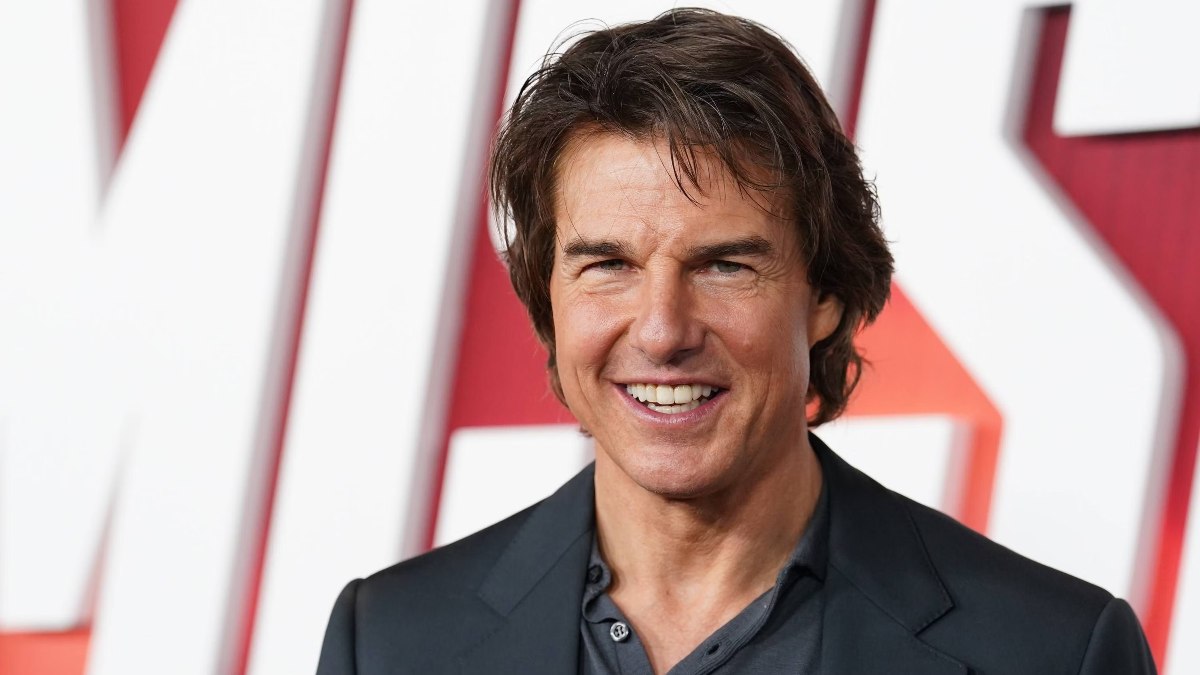
Tom Cruise teeth tell one of the most quietly fascinating celebrity stories in Hollywood history: a visible, decades-long transformation from a noticeably asymmetrical smile to one of the most recognized faces on the planet. Few actors have undergone such a dramatic dental journey in full public view, and fewer still have done it while becoming a global superstar.
What makes this story compelling isn’t vanity; it’s the timeline. If you line up photos of Tom Cruise from The Outsiders in 1983 through to Mission: Impossible in the 2000s and beyond, you’re watching cosmetic dentistry evolve in real time on one of cinema’s biggest faces. His teeth in his early career were uneven, slightly protruding, and unmistakably imperfect. Today, his smile is symmetrical, bright, and unmistakably engineered to perfection.
This isn’t just a celebrity curiosity. It’s a window into how Hollywood, cosmetic dentistry, and personal reinvention intersect. Understanding what changed, when it changed, and how it likely changed gives you a surprisingly clear picture of both the man and the era he rose through. That’s exactly what this article unpacks, from his earliest on-screen appearances to the single dental detail that still sparks debate among fans online today.
What Do Tom Cruise Teeth Look Like Today?
Tom Cruise’s teeth today are bright, even, and almost architecturally precise, a far cry from the slightly chaotic smile he carried into his early career. His current smile is the product of what appears to be decades of careful cosmetic dental work, and it holds up remarkably well for someone who has been in front of cameras since the early 1980s.
His Current Smile: What Changed Most Visibly
The most obvious change in Tom Cruise smile today is symmetry. His teeth are uniformly shaped, consistently white, and aligned in a way that his natural dentition never was. The slight protrusion and crowding visible in his earliest film appearances are gone entirely. What replaced them is a smile that looks intentional in every sense: clean lines, no gaps, no unevenness, and a brightness level that reads clearly even on a cinema screen.
Dental professionals who have commented publicly on his transformation point to the uniformity of shade and shape as strong indicators of veneers, likely layered over orthodontic correction that happened earlier in his career. According to the American Academy of Cosmetic Dentistry, porcelain veneers are now the single most requested cosmetic dental procedure among adults over 30 in the United States, and his smile is frequently cited as a reference point by patients walking into consultations.
Why Tom Cruise’s Teeth Became a Pop Culture Talking Point
The reason his teeth became a cultural conversation isn’t simply that they changed; it’s that the change was so gradual and so significant that it became impossible to ignore once people started looking. A single viral Reddit thread comparing his smile across decades reignited public interest in his dental journey around 2020, sending search traffic for related terms surging overnight.
There’s also something uniquely human about the fascination. Celebrity stories about physical transformation tend to resonate because they reflect something most people privately relate to: the desire to present a better version of yourself to the world. Tom Cruise didn’t just become a better actor over the decades. He visibly became more confident in his appearance, and his smile was part of that shift. That kind of evolution is hard to look away from, whether you’re a longtime fan or someone who just stumbled across a side-by-side photo.
The internet has a particular appetite for this type of content. Much like how fans obsessively track Drake or Taylor Swift facts, searching for details that reveal something more personal about a public figure, Tom Cruise’s dental transformation taps into the same impulse: the desire to know the real story behind the polished image.
Tom Cruise Smile vs Other Hollywood Transformations
Placed alongside other celebrity dental transformations, Tom Cruise’s stands out for two reasons: the scale of the change and the length of time it took. Many actors undergo visible dental work relatively quickly, often between two projects, and the shift is jarring. His transformation was slower and more incremental, which paradoxically made it more dramatic when viewed across a longer timeline.
Stars like George Clooney, Hilary Duff, and Zac Efron have all been cited in discussions about Hollywood dental transformations. Still, the conversation around Tom Cruise tends to go deeper because of an added layer of detail: the single central incisor that appears slightly off-center relative to his face. This quirk persisted even after significant cosmetic work. That specific detail has given his transformation story a texture that most celebrity smile makeovers simply don’t have. It’s not just a before-and-after. It’s an ongoing story with a detail that keeps people looking twice.
Tom Cruise Teeth Before: What Did They Look Like Early On?
Before the veneers, before the orthodontic refinement, and before the camera-ready symmetry, Tom Cruise had teeth that were genuinely, noticeably imperfect, and those early dental imperfections are now among the most searched aspects of his public image. His pre-fame smile was uneven, slightly crowded, and carried a natural roughness that made him look far more ordinary than the superstar he would become.
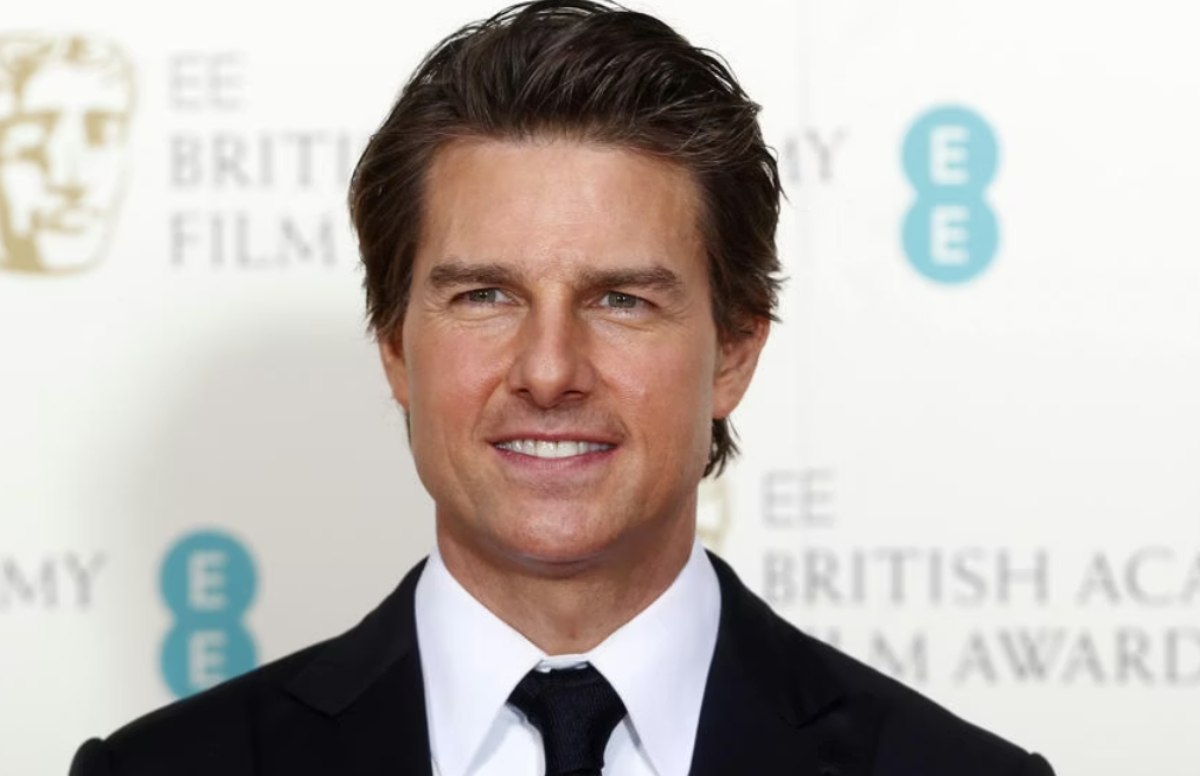
Early Tom Cruise Teeth in His Teenage and Young Adult Years
To understand where Tom Cruise teeth started, you have to go back to his earliest screen appearances and the photographs taken before Hollywood had any real influence on his appearance. In those images, his teeth were visibly misaligned not dramatically so, but enough to be immediately noticeable in close-up shots. There was crowding in the upper arch, uneven spacing between individual teeth, and a general lack of the uniformity that modern cosmetic dentistry now makes routine.
What’s particularly interesting about studying young Tom Cruise in photographs from this period is how natural and unguarded his smile appears. There was no attempt to minimize the imperfections or angle his face away from cameras. He smiled openly, crooked teeth and all, which actually gives researchers and fans an unusually clear record of exactly what his natural dentition looked like before any intervention began.
His teeth in this era were also noticeably more yellow than they would later become, a natural baseline shade that contrasts sharply with the bright, consistent white his smile would eventually carry. That contrast alone tells a significant part of the transformation story.
The Asymmetry That Defined His Pre-Fame Smile
The defining characteristic of Tom Cruise’s early teeth wasn’t just the crowding or the color; it was the asymmetry. His smile sat slightly off-center relative to his face, with his upper midline not aligning cleanly with the center of his nose and philtrum, as cosmetic dentistry typically aims to achieve. This asymmetry was subtle enough that casual viewers might not have consciously registered it, but it was consistent across photographs and screen appearances from this period.
Dental professionals who have analyzed his early photographs note that the upper central incisors, the two most visible front teeth, were not evenly positioned, and one sat more prominently than the other. This created a visual imbalance that the eye instinctively picks up, even without understanding why. It’s the same asymmetry that would later become a specific talking point online, where fans noticed that even after significant cosmetic work, his smile still didn’t sit perfectly centered on his face a detail that made the transformation story more layered than a simple before-and-after narrative.
Asymmetry in natural dentition is extremely common. Studies suggest that fewer than one in five people have naturally symmetrical smiles without some form of orthodontic or cosmetic correction, which means Tom Cruise’s starting point was far more typical than his current smile might suggest.
Why His Natural Teeth Stood Out on Screen
There’s a particular reason why Tom Cruise’s pre-correction teeth registered so visibly on screen, and it comes down to the nature of film itself. Cinema magnifies everything. A slight irregularity in real life becomes a focal point in close-up, and the early films in his career featured exactly the kind of intimate framing that put his natural smile directly in the audience’s line of sight.
In his earliest roles, before the machinery of Hollywood styling had fully engaged with his appearance, he was photographed and filmed largely as he was. His teeth were part of that authenticity, imperfect, real, and in some ways more expressive because of it. There’s a rawness to his early smile that his current perfectly engineered version, for all its technical excellence, simply doesn’t replicate.
This dynamic runs through many celebrity transformation stories. The natural version is often more memorable in retrospect precisely because it carries a human quality that cosmetic perfection tends to smooth away. His early teeth weren’t a flaw to be embarrassed about; they were a genuine feature of the person he was before the world decided he needed to look a certain way.
Tom Cruise Teeth in The Outsiders: The Starting Point
The Outsiders is where the Tom Cruise teeth story truly begins, and for good reason: it’s the earliest major film appearance that gave the world a clear, high-definition record of his natural smile before cosmetic dentistry entered the picture. His teeth in that 1983 film are the definitive baseline against which every subsequent change has been measured.
What His Smile Looked Like During The Outsiders (1983)
In The Outsiders, Tom Cruise played Steve Randle, a supporting role that nonetheless gave him enough screen time for his natural appearance to register clearly. His teeth in this film were visibly uneven, crowded along the upper arch, slightly protruding, and carrying the kind of natural imperfection that no styling department had yet addressed. The upper midline was off-center, individual teeth varied noticeably in size and angle, and the overall impression was of a young man whose smile had never been touched by orthodontics or any cosmetic work.
What makes the 1983 footage particularly valuable as a reference point is the film’s visual style. Francis Ford Coppola shot The Outsiders with a warmth and intimacy that put the young cast’s faces front and center, often in natural or near-natural lighting. That approach inadvertently created one of the clearest photographic records of Tom Cruise’s pre-transformation smile, detailed enough that dental professionals have used it to analyze what correction would have been required to achieve his current appearance.
The contrast between what his teeth looked like in that film and what they look like today represents one of the more dramatic smile transformations in Hollywood history, spanning roughly four decades of incremental change.
How The Outsiders Teeth Photos Became Viral Reference Points
Decades after the film’s release, screenshots and promotional photographs from The Outsiders became the internet’s go-to evidence in discussions about Tom Cruise’s dental transformation. What began as a niche observation in film forums eventually migrated to mainstream social media, where side-by-side comparison images generated millions of views across platforms.
The virality of these images speaks to a specific aspect of how the internet engages with celebrity transformation stories. People aren’t simply curious about whether a celebrity had work done; they want evidence and a clear starting point to anchor the narrative. The Outsiders photographs provided exactly that. They were early enough to predate any suspected intervention, prominent enough to be widely available, and detailed enough to make the comparison genuinely striking.
A 2021 analysis of Google Trends data showed that searches related to Tom Cruise’s physical appearance, including his teeth, consistently spike following major film releases or public appearances, suggesting that his ongoing visibility keeps the transformation story perpetually relevant rather than fading into a one-time viral moment. The Outsiders images remain the anchor of that conversation every time it resurfaces.
The Raw, Unpolished Look That Fans Still Talk About
There’s a reason fans keep returning to his Outsiders-era smile even decades later, and it isn’t simply the contrast with his current appearance. It’s that his natural teeth in that period gave him a quality that his later, more polished smile partially traded away: a sense of genuine, unguarded youth. The imperfections made him look real in a way that perfect veneers, by their very nature, cannot fully replicate.
This sentiment surfaces repeatedly in fan discussions and comment sections whenever the comparison images circulate. People often describe his early smile as more charming, more approachable, and in some ways more memorable than the technically superior smile he carries today. That reaction is consistent with broader psychological research suggesting that minor facial asymmetry can increase perceived attractiveness and relatability in certain contexts, adding an unexpected layer to the story of why he might have been better served by keeping some of those imperfections.
It’s a dynamic that appears across multiple chapters of his career. The same actor who scaled the exterior of the Burj Khalifa, as documented in the breathtaking sequence covered in our piece on Tom Cruise in Burj Khalifa Dubai, began his journey with a smile that nobody would have predicted would become one of Hollywood’s most analyzed physical features. The distance between those two points is the actual story.
Tom Cruise Teeth in Top Gun: A Visible Shift
By the time Top Gun landed in cinemas in 1986, something about Tom Cruise’s smile had already begun to change. While the shift wasn’t dramatic enough to dominate headlines at the time, it’s clearly visible in retrospect when placed alongside his Outsiders-era photographs. His teeth in Top Gun represented the first meaningful step away from his natural baseline, and toward the engineered smile he carries today.

Comparing The Outsiders Smile to the Top Gun Era
The three years between The Outsiders and Top Gun were not cosmetically idle. Place a still from the 1983 film next to a promotional photograph from 1986 and the differences, while subtle, are consistent enough to be deliberate. His upper teeth appear slightly more orderly in the Top Gun era; the crowding that was visible in his earliest work has softened, and his smile sits with marginally more confidence and symmetry than it did in his Outsiders debut.
What’s particularly telling is the way he smiles on camera during this period. In The Outsiders, his smile is wide and unguarded, seemingly unconcerned with how his teeth register on screen. By Top Gun, there’s a slight shift in how he presents his smile, still natural and unforced, but somehow more composed. Whether that reflects early dental intervention, growing awareness of his appearance as a rising star, or simply the difference between a supporting role and a lead performance is difficult to say with certainty. But the visual record is consistent enough to suggest that something changed between those two productions.
Did He Begin Dental Work Between 1983 and 1986?
The evidence strongly suggests yes, though Tom Cruise has never publicly detailed the specifics of his dental history with any precision. Cosmetic dentists who have analyzed photographs from this transitional period point to signs consistent with early orthodontic work, specifically the gradual reduction in crowding and the slight improvement in midline alignment that becomes visible in his Top Gun-era images.
Orthodontic therapy generally needs 12 to 24 months to produce visible results, meaning that if his teeth showed measurable improvement by 1986, work would likely have begun no later than 1984, the year after The Outsiders and the same period during which his career was accelerating rapidly following Risky Business. The timing is logical. As his profile rose and the commercial stakes of his appearance increased, addressing his most visible dental imperfections would have been a natural and proper decision rather than a morally aesthetic one.
It’s worth noting that this kind of transitional period, in which early, foundational dental work is done quietly and incrementally, is extremely common among actors who later become known for polished smiles. The dramatic cosmetic results that fans notice years later are almost always built on earlier orthodontic groundwork that rarely gets discussed publicly.
How Top Gun Marked a Turning Point in His Appearance
Top Gun didn’t just make Tom Cruise a global superstar; it established the visual template for what Tom Cruise was supposed to look like. The film’s marketing put his face on posters, magazine covers, and billboards worldwide, creating a level of scrutiny and expectation around his appearance that hadn’t existed at that scale before. In that context, his teeth became a professional asset in a way they hadn’t been previously, and the incremental improvements visible in this era make complete sense as a response to that new reality.
This is also the period during which the broader narrative of his public persona began to crystallize into that of a confident, physically capable, charismatic lead who projected total control both on- and off-screen. His smile was part of that projection. Much as the public fascination with his personal life, explored in detail in our piece on Tom Cruise’s girlfriend, became inseparable from his star image during this era, his physical appearance was never just about aesthetics. It was about the construction of a persona that the global entertainment industry was investing heavily in.
Top Gun marked the moment that persona became fully commercial, and his smile visibly improved from three years earlier, still imperfect, but clearly in progress, was part of the package. Everything that came after in his dental transformation story was, in many ways, a continuation of what quietly began in the years leading up to that film.
What Dental Work Did Tom Cruise Likely Have Done?
Based on the visual evidence across four decades of photographs and film appearances, Tom Cruise most likely underwent a combination of orthodontic correction, porcelain veneers, and professional whitening, each procedure building on the last to produce the smile he carries today. No single treatment could have achieved the degree of change visible between his earliest and most recent appearances.
Braces and Orthodontic Correction: The Foundation
Orthodontic correction was almost certainly the first intervention in Tom Cruise’s dental transformation, and it was likely the most structurally significant. The crowding and misalignment visible in his early 1980s photographs the kind of irregularity that affects tooth position at the root level, not just the surface cannot be corrected by veneers alone. That level of change requires orthodontic work to physically reposition the teeth before any cosmetic refinement can be applied meaningfully on top.
The visual evidence from the mid-to-late 1980s supports this timeline. The gradual reduction in crowding visible across his photographs during that period is consistent with active orthodontic treatment the kind of slow, progressive movement that braces produce over a period of one to two years. By the early 1990s, the structural foundation of his smile appeared substantially more orderly, making it an appropriate candidate for the cosmetic layer that followed.
What makes this foundational phase important to understand is that it explains why his transformation looks natural rather than jarring. Cosmetic dentistry applied over properly aligned teeth produces results that move with the face and wear evenly over time. Skipping the orthodontic stage and going straight to veneers often produces results that look artificial precisely because the underlying structure hasn’t been addressed. The quality and longevity of his current smile suggest the foundation was done correctly.
Dental Veneers: How They Create a Camera-Ready Smile
Porcelain veneers are the most likely explanation for the uniform shape, consistent color, and precise symmetry that define Tom Cruise’s smile from the mid-1990s onward. Veneers are thin porcelain connectedshells to the front surfaces of existing teeth, allowing a cosmetic dentist to control the shape, length, color, and apparent alignment of every visible tooth simultaneously. The result, when done well, is exactly what his smile has displayed for the past three decades: seamless, bright, and visually consistent across every lighting condition a film camera can throw at it.
The specific characteristics of his current teeth are consistent with high-quality porcelain veneers rather than alternatives like composite bonding or dental crowns. The uniform translucency, the consistent reflectivity under studio lighting, and the way his teeth have maintained their appearance over many years all point to porcelain as the material involved. Composite bonding, the less expensive alternative, tends to discolor and wear more visibly over time, neither of which is apparent in his recent photographs.
According to the American Dental Association, porcelain shells can last 10 to 25 years with reasonable consideration, which aligns with the timeline suggested by his visual record. If his veneers were placed in the mid-to-late 1990s, they would be due for replacement or refinement by now, and the consistency of his smile suggests that maintenance has been ongoing throughout.
Teeth Whitening: The Brightness Factor
The brightness of Tom Cruise’s current teeth is one of its most immediately striking qualities, and it represents a clear and dramatic departure from the natural yellowish baseline visible in his earliest photographs. Professional teeth whitening, either in-office bleaching, custom tray whitening, or both, is the most straightforward explanation for that shift. However, the sustained brightness over decades also points to the color properties of porcelain veneers, which resist staining far more effectively than natural enamel.
Professional whitening treatments available through cosmetic dentists can lighten natural teeth by up to eight shades in a single session, according to clinical research published in the Journal of Dentistry. For someone whose baseline shade in the early 1980s was a natural off-white to yellow, that degree of change would produce results broadly consistent with what his photographs show across the transition from the 1980s to the 1990s.
The ongoing brightness of his smile in recent years is best explained by the veneer material itself rather than continued whitening treatments. Porcelain doesn’t absorb staining compounds the way natural enamel does, which means a well-maintained set of porcelain veneers will hold their color far more reliably than whitened natural teeth. This is one of the practical advantages that make the investment in veneers particularly logical for someone whose face is regularly captured in high-definition film and photography.
What Dentists Say About Smile Transformations Like His
Cosmetic dentists who have commented on Tom Cruise’s transformation typically in interviews, blog analyses, and professional publications rather than direct consultations tend to reach broadly similar conclusions. The consensus is that his smile represents a textbook example of a well-planned, staged cosmetic transformation executed over an extended period, with each phase logically building on the previous one.
What professionals consistently highlight is the quality of the integration. His teeth don’t look artificial in the way that poorly executed veneers often do; they don’t appear too large, too uniform, or too white for his face. That quality of outcome requires both skilled dental work and a patient approach that resists the temptation to overcorrect. The fact that his smile retained some of its natural character even after significant cosmetic intervention is frequently cited as the marker of high-level cosmetic dentistry rather than the aggressive over-whitening and oversizing that produces obviously artificial results.
Several cosmetic dentists have also noted the significance of his midline asymmetry, the slight off-center positioning of his smile relative to his face that persists even in his current photographs. Rather than viewing this as a flaw or oversight, many professionals read it as a deliberate choice to preserve a degree of natural character. Attempting to correct midline asymmetry fully can sometimes yield a result that looks more artificial than the asymmetry itself, and leaving it subtly present is a judgment call that experienced cosmetic dentists often make when the alternative is a smile that reads as manufactured rather than enhanced.
Why Tom Cruise’s Smile Transformation Matters
Tom Cruise’s smile transformation matters because it isn’t simply a story about teeth; it’s a story about identity, professional reinvention, and the quiet yet powerful role that physical confidence plays in building a global career. Understanding why his dental journey resonates so widely requires looking beyond the cosmetic details to what the change actually represented.
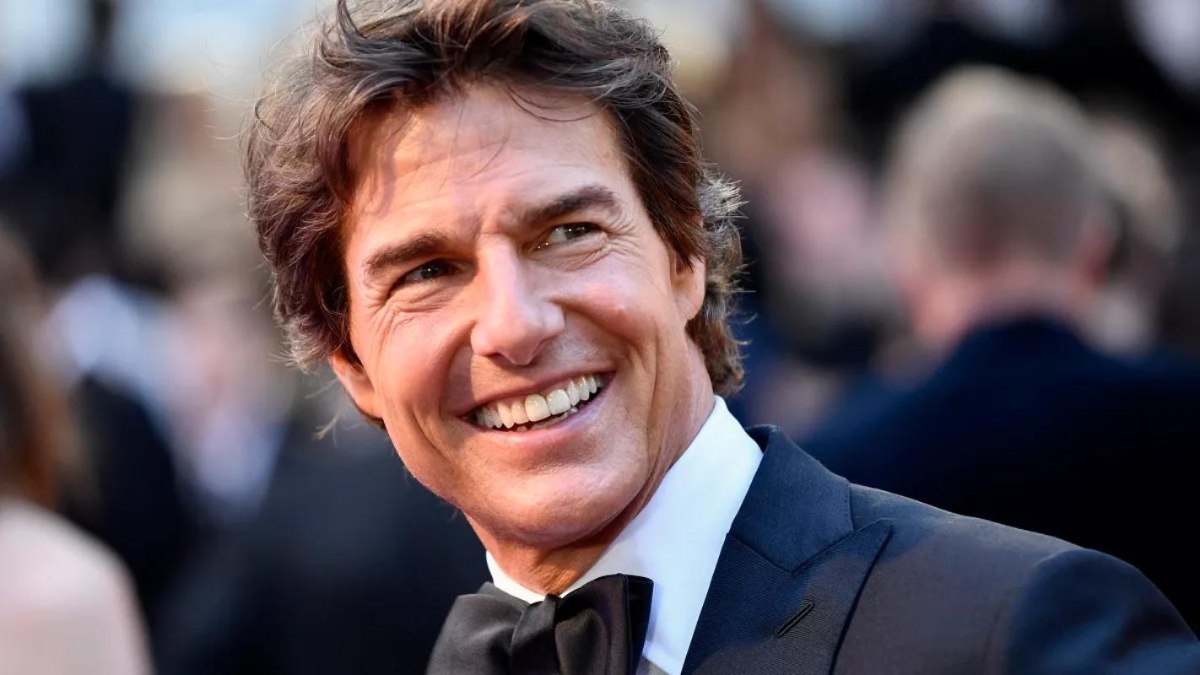
The Role of Cosmetic Dentistry in Hollywood Careers
Hollywood has always been a visual industry, but the standards applied to actors’ appearances have shifted dramatically over the past four decades. In the early 1980s, when Tom Cruise was beginning his career, cosmetic dentistry was available but nowhere near as technically refined, culturally normalized, or professionally expected as it would become by the late 1990s. His transformation tracks almost perfectly with the industry’s evolving relationship with cosmetic dental work. He was among the generation of actors who underwent the transition in real time, rather than arriving in an era where a camera-ready smile was already assumed.
For actors working at the level Tom Cruise operates, appearance is not vanity; it is infrastructure. A smile that photographs consistently well across thousands of promotional images, press appearances, and high-definition film frames is a professional asset with measurable commercial value. Studios support hundreds of millions of dollars in their greatest actors, and the expectation that those actors will maintain and optimize their appearances is implicit in that investment, if not always explicit.
According to the American Academy of Cosmetic Dentistry, the cosmetic dental industry in the United States alone generates over sixteen billion dollars annually, a figure that reflects how thoroughly the cultural conversation about smile optimization has moved from Hollywood exception to mainstream expectation. Tom Cruise’s transformation was ahead of that curve, not a product of it.
How His Confidence Evolved Alongside His Smile
There is a visible shift in how Tom Cruise carries himself on screen and in public appearances that tracks broadly with the timeline of his dental transformation. While it would be reductive to attribute that shift entirely to his teeth, it would be equally inaccurate to dismiss the connection entirely. Confidence in one’s physical appearance has measurable effects on behavior, posture, and social presence, which are amplified significantly when that appearance is evaluated by millions of people simultaneously.
Interviews and behind-the-scenes footage from his early career show a young actor who was clearly talented and driven but noticeably more guarded in unscripted moments than he would later become. By the mid-to-late 1990s, as his dental transformation advanced most significantly, his public presence shifted toward a high-energy, almost aggressively confident persona that became his cultural signature. Many factors drove that shift, but physical confidence almost certainly contributed in ways difficult to separate from the broader narrative of his evolution as a public figure.
This pattern appears consistently across celebrity biographies and transformation stories. Much like how the personal and professional chapters of his life documented in our piece on Tom Cruise’s first wife reveal a young man actively constructing his identity during this formative period, his dental transformation was part of the same process: a deliberate, incremental investment in the version of himself he wanted to present to the world.
The Broader Conversation About Celebrity Dental Work
Tom Cruise’s smile transformation sits at the center of a much larger cultural conversation about celebrity appearance, authenticity, and the standards the entertainment industry sets for physical presentation. That conversation has intensified significantly in the social media era, where high-resolution images and side-by-side comparison tools make visible changes impossible to obscure and easy to document in ways that simply weren’t possible when his transformation was actively underway.
The interesting tension in this conversation is between two competing cultural impulses. On one side is a growing discomfort with the pressure placed on public figures and, by extension, ordinary people to optimize their physical appearance to standards that require significant financial investment and professional intervention. On the other side is a genuine fascination with transformation itself, with the before-and-after narrative that his dental journey exemplifies so clearly.
What makes Tom Cruise’s specific story somewhat unusual within this broader conversation is its timeline and its subtlety. Unlike celebrity transformations that happen quickly and produce jarring results, his unfolded across decades in incremental steps that tracked naturally with his aging and his evolving status as a star. That gradual quality gives it a different character than more abrupt transformations; it reads less like a sudden decision to conform to an external standard and more like a long, considered investment in professional presentation. Whether that framing is more or less comfortable than the alternative depends entirely on where you stand in the broader debate about celebrity appearance and the standards it sets for everyone else.
Expert Insight: What Cosmetic Dentists Think
When cosmetic dentists look at Tom Cruise’s smile transformation, they don’t see a mystery; they see a textbook case of staged, high-quality dental work executed with patience and professional precision over an extended period. The procedures involved are well understood, the timeline is clear in the photographic record, and the results clearly demonstrate the standard of care.
Breaking Down His Transformation from a Professional Perspective
Cosmetic dentists who have analyzed Tom Cruise’s smile transformation publicly tend to approach it the same way a structural engineer might assess a well-built bridge, working backward from the visible outcome to identify the foundational and finishing work required to produce it. The conclusion reached consistently is that his current smile could not have been achieved without a multi-phase approach spanning several years at minimum.
The first thing professionals note is the structural integrity of the result. His teeth don’t exhibit the telltale signs of cosmetic work done too quickly or without adequate orthodontic preparation there’s no visible bulkiness at the gum line suggesting oversized veneers placed over uncorrected teeth, no unnatural uniformity that erases the subtle variations that make a smile look human rather than manufactured, and no color that sits so far outside the natural range that it reads as artificial under varied lighting conditions. Each of these qualities points to foundational orthodontic work completed before cosmetic finishing was applied.
The second thing professionals consistently highlight is the midline asymmetry that remains visible even in his current photographs: the slight off-center positioning of his smile relative to his facial midline. Rather than viewing this as an incomplete correction, experienced cosmetic dentists tend to read it as a deliberate preservation of natural character. Fully correcting midline asymmetry in cases where the facial structure itself contributes to the offset can produce results that look more artificial than the asymmetry it replaced. Leaving it subtly present is a sophisticated judgment call that reflects a high level of professional expertise.
Common Procedures That Produce Hollywood-Level Results
The procedures most likely involved in Tom Cruise’s transformation are not exotic or experimental; they are the standard toolkit of modern cosmetic dentistry, applied with exceptional skill and appropriate sequencing. Understanding what each procedure does helps explain why the combination produces results that look natural rather than obviously artificial.
Orthodontic treatment, whether traditional braces or a clear aligner system, addresses tooth position at the structural level, moving teeth through the bone over months to years. This is the non-negotiable foundation for any high-quality cosmetic result involving significantly misaligned teeth. Without it, veneers placed over crowded or rotated teeth will look unnatural and wear unevenly.
Porcelain veneers serve as the cosmetic finishing layer, controlling the shape, length, color, and surface texture of each visible tooth simultaneously. High-quality porcelain veneers placed by an experienced cosmetic dentist can last 15 to 25 years with proper maintenance, which aligns with the timeline documented in his photographic record. Professional whitening, applied either before veneer placement to establish a baseline shade or as an ongoing maintenance tool for natural teeth adjacent to veneers, completes the picture.
The combination of these three procedures, executed in the correct sequence by skilled practitioners, produces what the industry refers to as a Hollywood smile. It’s the same framework that underlies the dental transformations of dozens of major stars, though the specific execution varies considerably in quality. Much like the details behind public figures’ personal narratives reward closer examination, as explored in our piece on the Drake girlfriend list, the specifics of how a Hollywood smile is actually constructed are far more interesting than the polished surface suggests.
How Long Does a Smile Transformation Like This Last?
The longevity of a smile transformation at the level Tom Cruise appears to have undergone depends on three primary factors: the quality of the original work, the ongoing maintenance applied to it, and the patient’s underlying oral health throughout the process. When all three factors are well managed, the results can remain visually consistent for decades, as his photographic record demonstrates.
Porcelain veneers, the most likely cosmetic component of his current smile, have a clinical lifespan of ten to twenty-five years according to research published in the Journal of Prosthetic Dentistry, with longevity laboriously affected by the rate of the original bonding, the patient’s bite mechanics, and maintenance habits including regular professional cleaning and avoiding behaviors that stress the veneer material. The consistency of his smile across the 2010s and into the 2020s suggests his veneers have either been exceptionally well maintained or selectively replaced and refreshed as needed, both of which are entirely consistent with the level of professional care available to someone at his level.
The orthodontic foundation, once completed, is essentially permanent in its structural contribution, though retention with retainers or permanent bonded retainers is necessary to prevent natural drift over time. The fact that his smile has not visibly shifted or relapsed over decades of high-resolution photographic documentation suggests that the retention component of his treatment has been carefully managed alongside everything else. It’s a complete approach, maintained consistently, which ultimately separates a transformation that lasts from one that gradually unravels.
The Full Picture: A Transformation Worth Understanding
Tom Cruise teeth-before-and-after story is one of the most compelling and well-documented physical transformation narratives in Hollywood history, not because it is the most dramatic, but because it is the most instructive. It unfolded across four decades in full public view, tracked precisely with the evolution of cosmetic dentistry as a professional discipline, and produced results that have remained visually consistent long enough to qualify as genuinely lasting rather than temporarily impressive.
What this story ultimately reveals is that meaningful physical transformation at this level is never a single decision or a single procedure. It is a sequence of carefully considered steps, each one building on the last, executed with patience and professional expertise over a timeline that most people underestimate when they look at a before-and-after image and assume something quick and simple must have happened in between. The distance between Tom Cruise’s smile in The Outsiders and his smile today represents years of foundational orthodontic work, high-quality cosmetic finishing, and disciplined long-term maintenance, not a weekend in a dental chair.
There is also something worth acknowledging: his transformation, for all its technical completeness, never fully erased the human qualities that made his early smile memorable. The slight asymmetry that remains visible in his current photographs is a reminder that the best cosmetic work enhances rather than replaces what the face has rather than imposing an artificial standard on top of it. That distinction separates a transformation that reads as authentic from one that reads as manufactured, and it is the single quality dental professionals consistently cite when discussing his smile as an example of the craft done well.
For anyone curious about cosmetic dentistry, celebrity transformation, or simply the long arc of one of Hollywood’s most recognized faces, the Tom Cruise teeth story offers more genuine insight than almost any comparable example. It is thorough, it is traceable, and it is honest in the way that only a transformation conducted across decades rather than concealed in a single private interval can be. The full picture, as it turns out, is far more interesting than the surface ever suggested.
Frequently Asked Questions(FAQs)
Did Tom Cruise Ever Confirm Having Dental Work Done?
Tom Cruise has never publicly confirmed the full details of his dental transformation, though he acknowledged wearing braces as an adult in a few interviews over the years. Beyond that limited admission, the specifics of his cosmetic dental work remain private, leaving the visual evidence across four decades of photographs as the most reliable record available.
How Much Does a Smile Transformation Like His Cost?
A comprehensive smile transformation involving porcelain veneers and orthodontic correction, comparable to Tom Cruise’s results, typically costs between $20,000 and $40,000 at the premium end of the market. That figure covers the entire treatment sequence, including orthodontic work and veneer placement.
What Is the Best Way to Achieve a Similar Result?
The most reliable path to a comparable result is the same sequenced approach his own transformation suggests: orthodontic correction first, followed by porcelain veneers applied by an experienced cosmetic dentist once the teeth have stabilized.
Are His Teeth Natural or Veneers?
Based on the visual evidence and professional consensus, Tom Cruise’s current smile almost certainly combines orthodontically corrected natural teeth with porcelain veneers covering the visible upper arch.
Why Do People Keep Searching Tom Cruise Teeth?
The sustained search interest reflects a genuinely compelling before-and-after narrative with four decades of trackable photographic evidence and a specific detail: the persistent midline asymmetry that keeps people looking more carefully than a straightforward transformation would require.