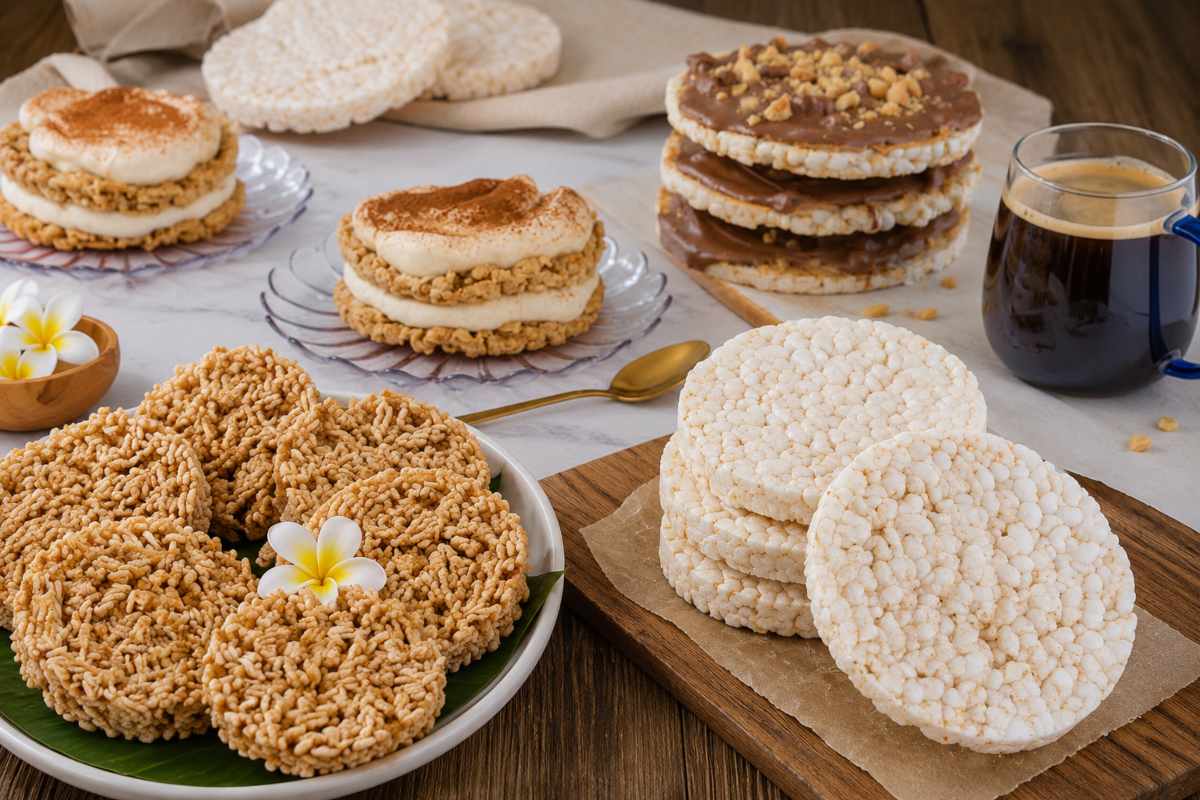
A single plain rice cake contains about 35 calories, 7-8 grams of carbohydrates, less than 1 gram of fat, and under 1 gram of fiber, making it one of the lightest packaged snacks on the market. That low calorie count is exactly why rice cakes have built a reputation as a diet-friendly staple. Still, the full nutritional picture changes considerably once you factor in flavor coatings, brand formulations, and rice type; a chocolate-drizzled or caramel rice cake can carry two to three times the calories and sugar of a plain, lightly salted one.
This handbook breaks down the nutrition facts for rice cakes across every major variation, including Quaker’s core lineup, popular flavored options like chocolate and caramel, and brown rice versions, so you can see exactly what’s in the one you’re eating and how it compares to the rest.
Rice Cakes Nutrition Facts at a Glance
Rice cakes nutrition facts stay remarkably consistent across brands for the plain, unflavored version, with most standard cakes landing between 35 and 40 calories each. This makes them one of the few packaged snacks where the calorie count barely shifts from one manufacturer to the next, though flavoring and coating change that picture fast.
Calories, Carbs, Protein, Fat, Fiber, Sugar, Sodium per Serving
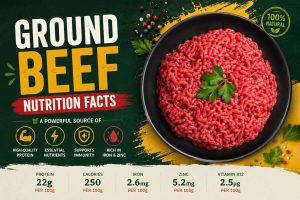
A single plain rice cake (about 9 grams) typically provides 35 calories, 7 grams of carbohydrates, 0.7 grams of protein, 0.3 grams of fat, 0.4 grams of fiber, 0 grams of sugar, and 15-25 milligrams of sodium. These numbers make rice cakes almost entirely carbohydrate by weight, with negligible protein, fat, or fiber to slow digestion a detail that matters for anyone monitoring blood sugar response, similar to how tracking ground beef nutrition facts helps balance a protein-heavy meal against a carb-heavy snack.
| Nutrient | Per Plain Rice Cake (9g) |
|---|---|
| Calories | 35 |
| Total Carbohydrates | 7g |
| Protein | 0.7g |
| Total Fat | 0.3g |
| Fiber | 0.4g |
| Sugar | 0g |
| Sodium | 15–25mg |
Plain Rice Cake vs Flavored Rice Cake Comparison
The gap between plain and flavored rice cakes comes down almost entirely to added sugar and fat from coatings. A plain rice cake sits at roughly 35 calories with zero sugar. In comparison, a chocolate or caramel-coated version can climb to 60-90 calories per cake with 4-8 grams of added sugar, meaning a flavored rice cake can carry more sugar than a serving of some breakfast cereals like Fruit Loops.
Sodium also varies more than most people expect: a lightly salted rice cake may contain 25-40 mg of sodium, while unsalted plain versions can drop below 10 mg. If you’re choosing between the two purely on nutrition, plain rice cakes remain the lower-calorie, lower-sugar option, while flavored versions trade that nutritional simplicity for taste at a real caloric and sugar cost.
Rice Cake Nutritional Facts by Type
Rice cake nutritional facts shift noticeably depending on whether the cake is made from brown rice, white rice, or given a light salt coating, with fiber content marking the biggest difference between types. While all three share a similar calorie range, the rice variety used changes the nutrient density enough to matter for anyone comparing options closely.
Brown Rice Cakes Nutrition Facts
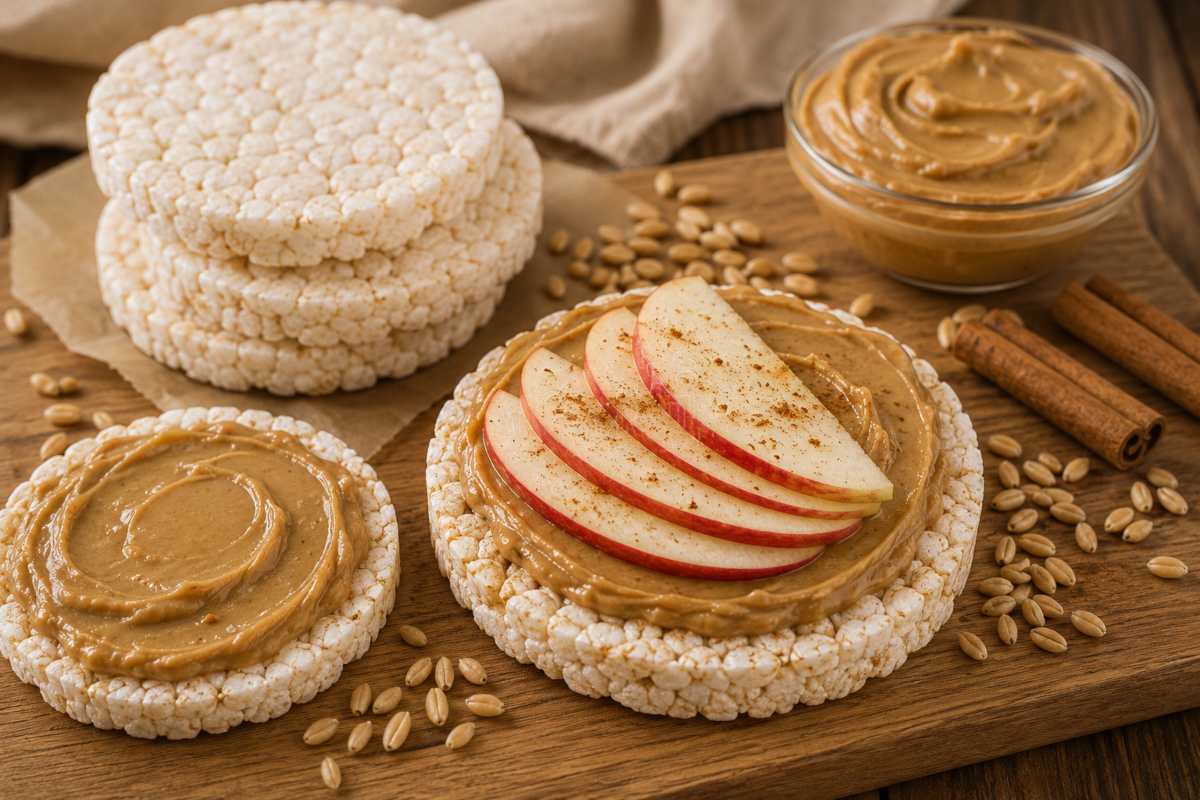
A brown rice cake typically contains 35-40 calories, 7-8 grams of carbohydrates, 0.7-1 gram of protein, and roughly 0.4-0.6 grams of fiber per cake, slightly more fiber than white rice versions because the bran layer remains intact during processing. This small fiber advantage means brown rice cakes digest a bit more slowly, which can translate to a gentler effect on blood sugar compared to their white rice counterparts. Sodium content stays low at around 15- 20 mg unless the cake is salted or flavored, and fat and sugar remain negligible across nearly every brand.
White Rice Cakes Nutrition Facts
White rice cakes run close to identical in calories to brown rice versions, sitting around 35 calories per cake, but they contain less fiber, typically under 0.3 grams per serving, since the bran and germ are removed during milling. This makes white rice cakes a slightly faster-digesting carbohydrate source, comparable in that sense to the quick-digesting starches found in udon noodles, with carb content holding steady at 7-8 grams and protein staying minimal at under 1 gram. Sodium and sugar levels mirror brown rice versions when unflavored, meaning the primary nutritional trade-off between the two types comes down to fiber content rather than calories.
Lightly Salted Rice Cake Nutrition Facts
A lightly salted rice cake adds a modest amount of sodium without meaningfully changing the calorie count, typically landing at 35-40 calories with 25-40 mg of sodium per cake, noticeably higher than the 10-15 mg found in unsalted versions but still low compared to most packaged snacks. Carbohydrates, protein, and fat remain essentially unchanged from plain rice cakes, since the salt coating adds negligible weight or macronutrients.
For context, a single serving of lightly salted rice cakes still contains less sodium than a small bag of potato chips, which often exceeds 150mg per serving, making the lightly salted variety a reasonable middle ground for anyone who wants flavor without a significant sodium increase, much like how Costco pizza nutrition facts reveal surprising sodium differences between seemingly similar slices.
Quaker Rice Cakes Nutrition Facts (Full Brand Breakdown)
Quaker rice cakes nutrition facts vary by flavor, but the brand’s plain and lightly salted varieties stay close to generic rice cake averages. In contrast, flavored options like caramel and chocolate carry noticeably more calories and sugar. As one of the most widely distributed rice cake brands in U.S. grocery stores, Quaker’s labeling offers a useful benchmark for comparing flavored versus unflavored options side by side.
Quaker Oats Rice Cakes Nutrition Facts
Quaker’s plain rice cakes, made primarily from whole grain brown rice, contain about 35 calories, 7 grams of carbohydrates, 1 gram of protein, and 0.5 grams of fiber per cake, with sodium around 15mg in the unsalted version. This formulation closely matches the generic brown rice cake profile, since Quaker’s base recipe relies on puffed whole grain rice with minimal processing beyond light toasting. Fat and sugar both stay at or near zero, making this the lowest-calorie option in the Quaker lineup.
Quaker Apple Cinnamon Rice Cakes Nutrition Facts
Quaker’s Apple Cinnamon rice cakes run higher than the plain version, typically containing 50-60 calories, 11-12 grams of carbohydrates, and 3-4 grams of sugar per cake due to the added cinnamon-sugar coating. Protein and fiber stay comparable to the base recipe at around 0.5-1 gram each, while sodium remains modest at roughly 20- 30 mg. The added sugar here comes primarily from the flavor coating rather than the rice itself, since the base cake underneath contributes little beyond carbohydrates.
Quaker Caramel Rice Cakes Nutrition Facts
The Caramel variety is one of the higher-calorie options in Quaker’s rice cake line, typically containing 60-70 calories, 13-14 grams of carbohydrates, and 5-6 grams of sugar per cake. This puts a single caramel rice cake’s sugar content close to that of a small cookie, despite the snack’s reputation as a “light” option, with a sugar density that starts to approach dessert-adjacent treats like Jordan almonds. Protein and fiber remain minimal, at under 1 gram each, since the caramel coating adds calories and sugar without contributing meaningful nutrients.
Quaker Chocolate Rice Cakes Nutrition Facts
Quaker’s Chocolate rice cakes sit at the upper end of the brand’s calorie range, generally containing 60-70 calories, 12-13 grams of carbohydrates, and 4-5 grams of sugar per cake, along with slightly more fat than other flavors, typically 1-1.5 grams, due to the chocolate coating. Sodium stays comparable to other flavored varieties at around 25- 35 mg. Compared to the plain oats version, the chocolate rice cake nearly doubles the calorie count while adding sugar and fat that the unflavored base cake doesn’t carry at all.
Flavored Rice Cakes Nutrition Facts
Flavored rice cakes nutrition facts run consistently higher in calories and sugar than plain versions across nearly every brand, with coatings and drizzles adding the bulk of the extra nutrients. Whether it’s a chocolate drizzle, a caramel glaze, or a specialty blend like Drizzilicious, the flavoring layer is almost always responsible for the nutritional gap between a flavored rice cake and its plain counterpart, much the same way a rich glaze changes the profile of a Dynasty flavor cake compared to its plain base.
Chocolate Rice Cakes Nutrition Facts
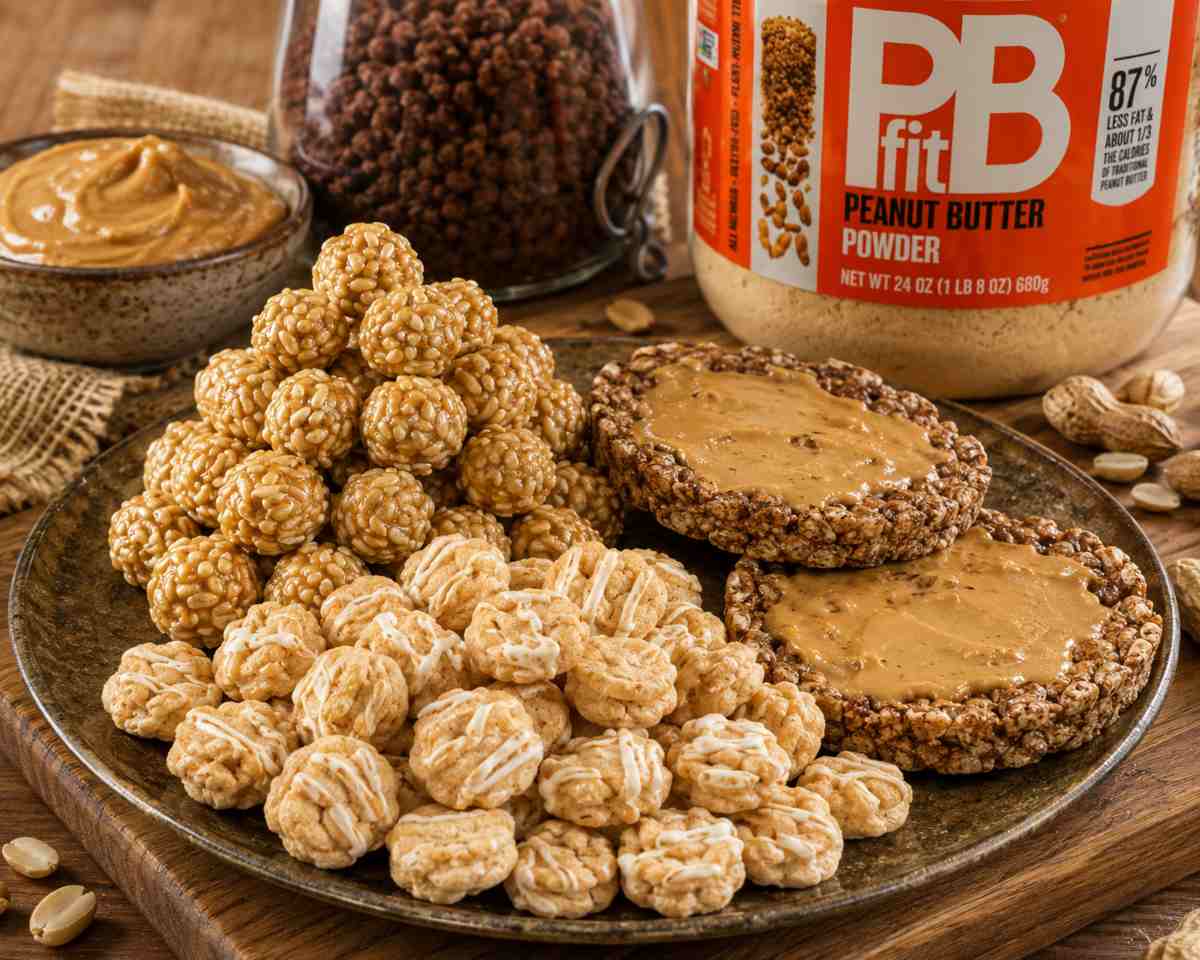
Chocolate rice cakes typically contain 60-70 calories, 12-13 grams of carbohydrates, and 4-5 grams of sugar per cake, along with a small amount of fat, usually 1-1.5 grams, contributed by the chocolate coating itself. This makes chocolate the highest-fat flavor category among common rice cake varieties, since plain and lightly salted versions carry virtually no fat at all. Protein and fiber remain low across brands, generally under 1 gram each, meaning the added calories come almost entirely from sugar and fat rather than any nutritional upgrade.
Caramel Rice Cakes Nutrition Facts
Caramel rice cakes generally range from 60-70 calories with 13-14 grams of carbohydrates and 5-6 grams of sugar per cake, making caramel one of the higher-sugar flavor options on the market. That sugar content is notable given the snack’s “light” positioning; a single caramel rice cake can carry roughly the same sugar as half a chocolate chip cookie. Sodium sits around 25- 35 mg, slightly higher than plain versions, while protein and fiber stay minimal at under 1 gram each.
Drizzilicious Rice Cakes Nutrition Facts
Drizzilicious rice cakes, known for their thicker candy-style coatings, tend to run higher than standard flavored rice cakes, typically containing 70-90 calories, 14-16 grams of carbohydrates, and 6-9 grams of sugar per cake depending on the specific flavor. The heavier drizzle coating is the main driver of this increase, adding both fat (often 2-3 grams) and sugar well beyond what a standard Quaker-style flavored cake contains. For anyone comparing rice cake brands purely on nutrition, Drizzilicious sits closer to a candy-topped snack than a traditional light rice cake, which is worth factoring in if calorie or sugar control is the priority.
Are Rice Cakes Healthy? Benefits And Downsides
Rice cakes can fit into a nutritious diet thanks to their low calorie count, but whether they’re truly “healthy” depends on the type and how they’re used, since their minimal fiber and protein mean they don’t keep most people full for long. Plain rice cakes offer a low-calorie base with virtually no fat or sugar, but that same simplicity is also their biggest nutritional limitation.
Rice Cakes for Weight Loss
Rice cakes are often marketed as a weight-loss-friendly snack because a single plain cake contains only about 35 calories, making portion control easier than with denser snacks. However, with under 1 gram each of protein and fiber, rice cakes lack the components that typically promote satiety, meaning they may not curb hunger as effectively as a snack with more protein or healthy fat.
For weight management purposes, rice cakes tend to work best when paired with a protein or fat source like nut butter or avocado rather than eaten alone, since the pairing helps offset the low staying power of the rice cake itself. Staying properly hydrated matters here too, since drinking enough water can also help manage hunger cues that are sometimes mistaken for the need for another snack.
Rice Cakes and Blood Sugar (Glycemic Index)
Rice cakes generally rank high on the glycemic index, often scoring 80 or above depending on the rice type used, which means they can cause a relatively fast rise in blood sugar compared to lower-GI foods like whole grains or legumes. This happens because rice cakes are made from puffed rice with minimal fiber or fat to slow digestion, so the carbohydrates convert to glucose quickly.
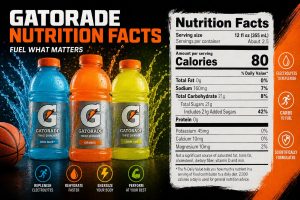
Brown rice cakes tend to sit slightly lower on the glycemic index than white rice versions due to their marginally higher fiber content, though the difference is generally small. Anyone monitoring blood sugar closely may want to pair rice cakes with protein or fat to help moderate the glycemic response, and should apply the same caution to sugary drinks like Gatorade, which can similarly spike blood sugar.
Rice Cakes vs. Bread: Which Is Healthier?
Rice cakes and bread differ mainly in calorie density and fiber content, with a single rice cake at roughly 35 calories containing far less energy than a slice of bread, which typically ranges from 70-120 calories depending on the type. That calorie gap makes rice cakes the lighter option by volume. Still, bread, particularly whole grain varieties, usually offers more fiber and protein per serving, which can make it more filling despite the higher calorie count. Neither option is universally “healthier,” since the better choice depends on the goal: rice cakes suit those prioritizing low calorie count and portion control, while whole grain bread better serves anyone looking for more fiber, protein, and lasting fullness from a similar-sized serving.
How to Read a Rice Cake Nutrition Label
Reading a rice cake nutrition label correctly starts with checking the serving size listed at the top, since many packages list nutrition per single cake rather than per typical serving, which can make the snack look lower in calories than it is when eaten in multiples. Understanding these two details serving size and what “low calorie” actually accounts for helps clarify why two rice cakes with nearly identical labels can still differ significantly once you factor in how many you actually eat.
Serving Size Explained
Most rice cake labels list nutrition facts per one cake, which typically weighs around 9 grams, but many people eat two or three cakes in a single sitting without recalculating the totals. Since a single plain rice cake contains roughly 35 calories, eating three cakes, a common serving for anyone using them as a bread substitute, brings the total closer to 105 calories, along with tripled carbohydrate, sodium, and sugar counts if the cakes are flavored. Checking the “servings per container” line on the package is the fastest way to confirm whether the label reflects one cake or a multi-cake serving, since this detail varies more between brands than most shoppers expect.
What Low Calorie Really Means for Rice Cakes
The “low calorie” label on rice cakes technically refers to the individual cake, not the snack as a whole, which matters because the FDA defines “low calorie” as 40 calories or fewer per labeled serving a threshold plain rice cakes clear easily at around 35 calories each. Flavored versions, however, often exceed this threshold once coatings are added, with chocolate and caramel varieties commonly reaching 60-70 calories per cake, well above the low-calorie cutoff.
This distinction is worth noting because a package can still market itself around the “light snack” reputation of rice cakes generally, even when the specific flavored product inside no longer qualifies as low calorie by the same standard used for the plain version a labeling nuance not unlike how ice wine is marketed around its origin story even though sugar content varies widely by producer, or how a wine connoisseur learns to look past marketing language to the actual numbers on a label.
Conclusion
Rice cakes nutrition facts ultimately come down to a simple trade-off: plain and lightly salted versions offer one of the lowest-calorie snacks available at around 35 calories each, while flavored options like chocolate, caramel, and Drizzilicious trade that simplicity for taste at the cost of added sugar and fat, sometimes doubling or tripling the calorie count of the base cake.
Brand and rice type add smaller but still meaningful differences. Quaker’s core lineup mirrors generic values closely, while brown rice versions edge out white rice in fiber content by a small but consistent margin. Whether rice cakes fit your goals depends less on the snack category as a whole and more on which specific version is on the label in front of you, since a plain brown rice cake and a chocolate-drizzled one share little beyond their shape and name much like how a plain rice cake and a Gros Michel banana sit at opposite ends of the natural-versus-processed snack spectrum despite both being marketed as light options.
Checking the serving size and flavor-specific nutrition facts each time remains the most reliable way to know exactly what you’re eating, rather than relying on the reputation the snack built decades ago as a universally “light” choice.
Frequently Asked Questions(FAQs)
How many calories are in one rice cake?
A single plain rice cake typically contains about 35 calories, making it one of the lowest-calorie packaged snacks available. Flavored versions run higher, with chocolate or caramel-coated rice cakes reaching 60-70 calories per cake due to added sugar and fat in the coating.
Are flavored rice cakes less healthy than plain?
Flavored rice cakes generally carry more sugar, fat, and calories than plain versions because of the coatings used, with some flavors containing 4-9 grams of added sugar per cake compared to 0 grams in the plain variety. This doesn’t make them unhealthy in moderation, but they no longer offer the same low-calorie profile that plain rice cakes are known for.
Do rice cakes have sugar?
Plain rice cakes contain 0 grams of sugar per serving, since they’re made from puffed rice with no added sweeteners. Flavored varieties like chocolate, caramel, and Drizzilicious add sugar through their coatings, ranging from about 4 grams up to 9 grams per cake depending on the brand and flavor.
Are rice cakes gluten-free?
Plain rice cakes made purely from rice are naturally gluten-free, since rice itself contains no gluten. However, some flavored varieties may include gluten-containing ingredients in their coatings or be processed in facilities that handle wheat, so checking the label for a certified gluten-free claim is the safest way to confirm.
How many rice cakes can I eat in a day?
There’s no official daily limit, but most nutrition guidance suggests 2-4 plain rice cakes as a reasonable snack portion, totaling roughly 70-140 calories. Eating them in larger quantities as a meal replacement isn’t ideal, since rice cakes lack the protein and fiber needed to keep you full for long.