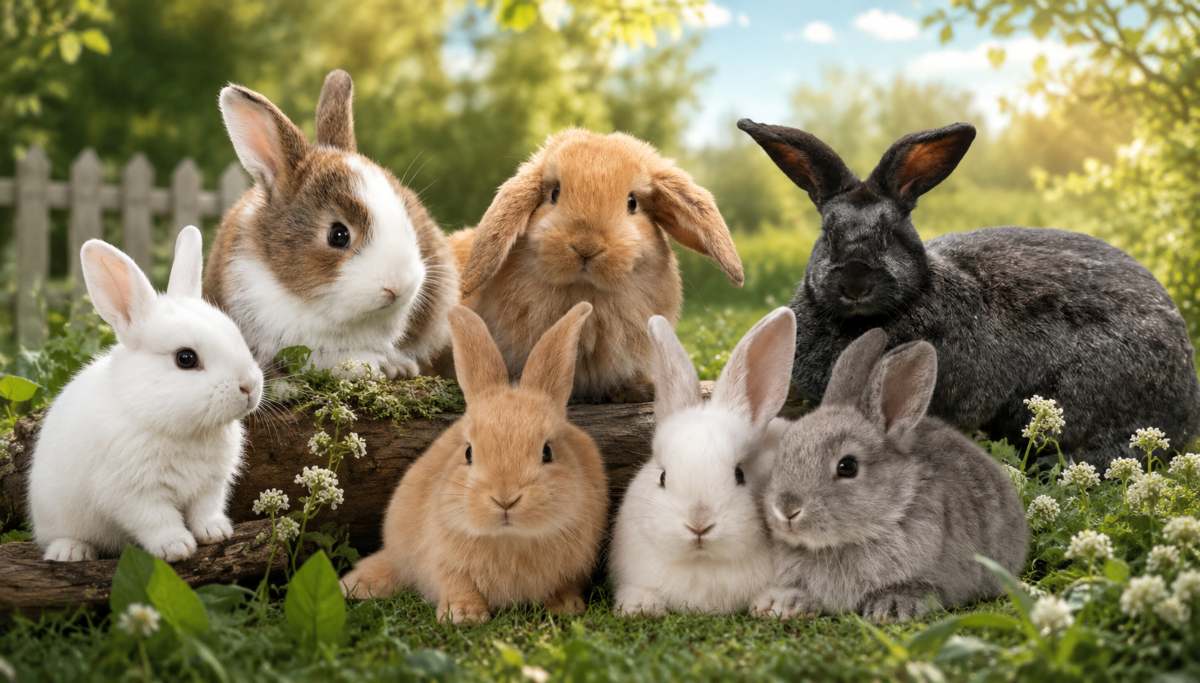
Rabbits are one of the most fascinating animals to study, with over 30 recognised species worldwide and a biology built almost entirely around speed, alertness, and reproduction. A single female rabbit can produce more than 800 offspring in her lifetime. Whether you’re curious about how bunnies see almost 360 degrees around their heads, why their teeth never stop growing, or how a “cottontail” differs from a “hare,” this guide collects over 200 rabbit facts in one place, organised so you can jump straight to what you’re looking for.
From basic biology and lifespan to breed-specific quirks in Flemish Giants, Arctic fox facts and endangered pygmy rabbits, this isn’t just a list; it’s a reference. Each section below stands on its own, so you can skim for a quick fact, dig into a specific breed, or read start to finish for a full picture of what makes rabbits one of the most successful mammal families on the planet. If animal trivia is your thing, you might also enjoy our deep dives into monkey facts once you’re done here.
If you’ve ever wondered why rabbits thump their feet, whether they’re truly nocturnal, or how fast one can actually run, you’re in the right place.
Quick Rabbit Facts at a Glance
Rabbits are small, fast-breeding mammals found on every continent except Antarctica, typically living 8 to 12 years in captivity and just 1 to 2 years in the wild due to predation. Below are the fastest, most essential rabbit facts covering biology, behaviour, and a quick numbered list you can scan in under a minute.
Basic Rabbit Facts
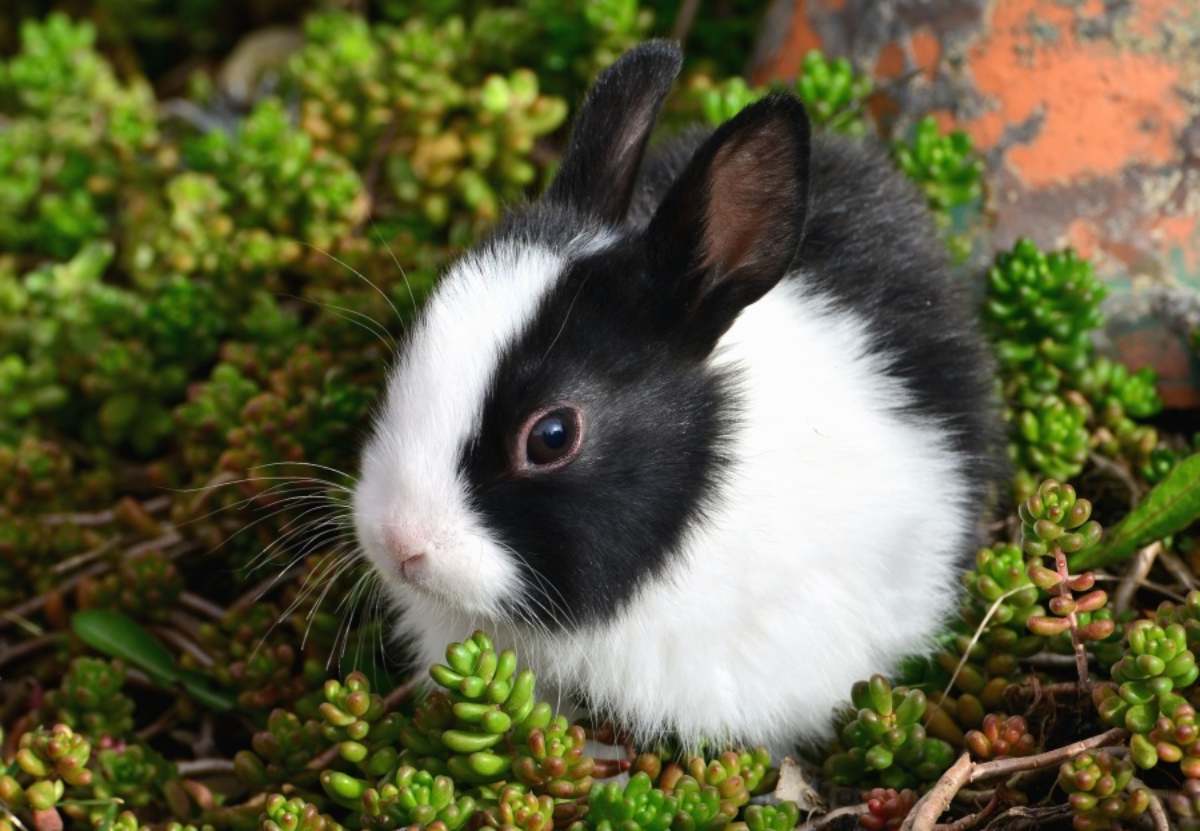
A rabbit’s lifespan depends heavily on environment: domestic rabbits kept as pets commonly live 8 to 12 years, while wild rabbits rarely survive past their second birthday because they sit near the bottom of the food chain for foxes, hawks, and snakes predators covered in more depth in our directory to Egyptian snakes. Most rabbit species weigh between 2 and 4 pounds, though size varies dramatically by breed; a Flemish Giant can top 20 pounds, while a Pygmy rabbit weighs under a pound as an adult. Rabbits are strict herbivores, and their diet in the wild consists mostly of grasses, clover, and leafy plants, supplemented by bark and twigs in colder months when greenery is scarce.
As for habitat, rabbits are adaptable animals found in meadows, forests, wetlands, deserts (home to other tough survivors like camel spiders), and even suburban backyards, with most species digging burrow systems called warrens for shelter and rearing young. One structural fact stands out: rabbit teeth grow constantly throughout their lives, at a rate of roughly 3 to 5 inches per year, which is why constant gnawing on fibrous material isn’t optional; it’s essential dental maintenance.
Top 10 Rabbit Facts
- Rabbits are lagomorphs, not rodents, a distinct mammalian order that also includes hares and pikas.
- A rabbit’s heart pounds between 130 and 325 times per minute, far faster than a human’s.
- Rabbits can rotate their ears independently up to 270 degrees to pinpoint sound.
- Their field of vision spans nearly 360 degrees, allowing them to spot predators without turning their heads.
- A single female rabbit (a doe) can have up to 7 litters a year, with 4 to 12 kits per litter.
- Rabbits communicate danger by thumping their hind legs against the ground.
- Wild rabbits can run at speeds up to 45 miles per hour in short bursts.
- Baby rabbits are called kits, and they’re born blind, hairless, and fully dependent on their mother.
- Rabbits practice a behaviour called cecotropy, re-ingesting their own soft droppings to absorb nutrients missed the first time.
- There are over 30 recognised species of wild rabbit, plus more than 300 domestic breeds recognised worldwide.
Fun Facts About Rabbits
Rabbits are packed with quirky, lesser-known behaviours that make them one of the most entertaining animals to watch, from joyful mid-air “binkies” to a surprisingly complex social life. This section rounds up the fun facts about rabbits that consistently surprise first-time readers, organised by general bunny trivia, behaviour, and baby rabbits.
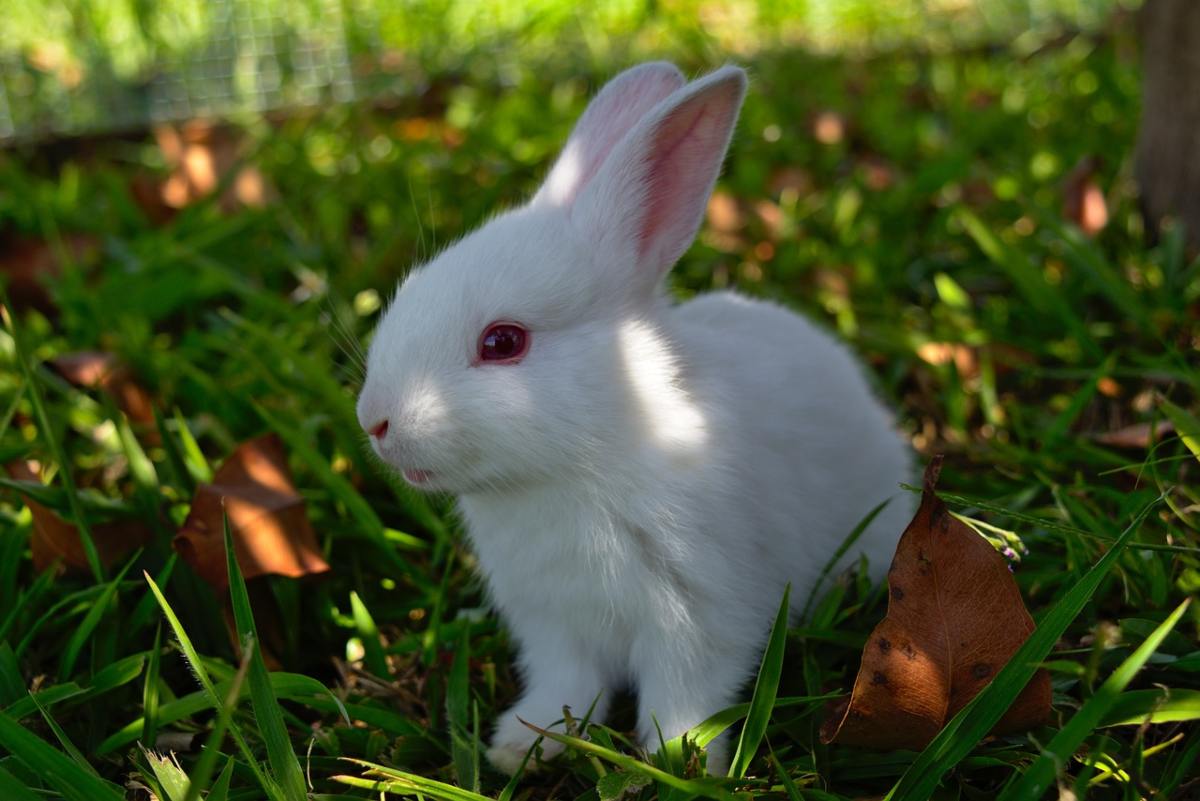
Fun Facts About Bunny Rabbits
Bunnies do a happy little jump-twist called a “binky,” where they leap into the air and flick their body and head in opposite directions. It’s a pure expression of joy and one of the clearest signs a rabbit feels safe and content. Rabbits also purr, though it doesn’t sound like a cat’s (you can compare the real thing in our cat facts handbook); instead, they lightly grind their teeth together, a behaviour called “tooth purring” that signals contentment, often while being petted.
Another fun fact: rabbits can’t vomit. Their digestive system physically doesn’t allow it, which is part of why diet and gut health matter so much for their wellbeing. And despite the cartoon stereotype, most rabbits don’t actually love carrots as a dietary staple; carrots are high in sugar, and in the wild, rabbits rarely encounter them at all, favouring grasses and leafy greens instead.
Fun Facts Everyone Loves (Behaviour, Ears, Jumping, Social Habits)
Rabbit ears aren’t just for hearing; they’re also a built-in cooling system, packed with blood vessels that release excess body heat, especially in breeds like the jackrabbit whose ears can reach 6 inches long. When it comes to jumping ability, healthy rabbits can clear vertical heights of up to 3 feet and horizontal distances of 9 feet or more in a single bound. This skill evolved almost entirely for escaping predators.
Socially, rabbits are far from solitary: wild rabbits live in groups called colonies within interconnected burrow systems, and even domestic rabbits typically thrive better with a bonded companion than alone. Body language does a lot of the talking in rabbit social groups: flattened ears and a stiff body signal fear or aggression, while a relaxed, sprawled-out posture (sometimes called a “flop”) means a rabbit feels completely at ease.
Fun Facts About Baby Rabbits (Kits)
Baby rabbits, called kits, are born blind, deaf, and without fur, making them entirely dependent on their mother for the first few weeks of life. A doe typically nurses her kits just once or twice a day, for only about 5 minutes at a time, but rabbit milk is so calorie-dense (roughly twice as rich as cow’s milk) that this brief feeding schedule is enough to fuel rapid growth.
Kits open their eyes around 10 days old and are usually fully weaned by 4 to 6 weeks, at which point they’re already capable of eating solid food and beginning to explore outside the nest. Litter sizes vary by breed and species, but the average sits between 4 and 12 kits, and a healthy doe can produce several litters in a single year one reason rabbit populations can grow so quickly under the right conditions.
Weird and Unusual Rabbit Facts
Beyond the cute and cuddly stereotype, rabbits have some genuinely strange biological quirks and behaviours, from eating their own droppings to a startle response that can be fatal on its own. This section covers the weirder side of rabbit facts, plus a myth-busting look at what people commonly get wrong about them.

Strange Rabbit Behaviours
One of the strangest rabbit facts is cecotropy: rabbits produce two types of droppings, and one type, soft, nutrient-rich pellets called cecotropes, is eaten directly from the source and re-digested to extract vitamins and proteins missed the first pass through. It looks unappetizing to humans, but it’s a normal and essential part of a rabbit’s digestive cycle, not a sign of illness. Rabbits also freeze completely still when startled, a defence mechanism meant to avoid catching a predator’s eye.
Perhaps most unusual is a condition called “rabbit fright death” Extreme stress or sudden shock can trigger cardiac arrest in rabbits, since their fight-or-flight response is so intense that it can overwhelm the heart. Rabbits also mark territory by rubbing a scent gland under their chin on objects, a behaviour called “chinning” that’s invisible to humans but leaves a clear scent signature to other rabbits.
Random Rabbit Facts You Didn’t Know
A rabbit’s front teeth (incisors) grow continuously for its entire life, at a rate of about 3 to 5 inches per year, which is why constant chewing on hay and fibrous plants isn’t a preference; it’s a biological necessity to keep teeth from overgrowing. Rabbits also have nearly panoramic vision, seeing almost 360 degrees around their heads without moving, though this comes with a tradeoff: a small blind spot directly in front of their nose.
Another oddity is that rabbits can’t sweat; they regulate body temperature almost entirely through their ears, which is why overheating is a genuine health risk for rabbits in hot climates. And while it sounds like a myth, rabbit gestation is indeed remarkably short; most species carry kits for just 28 to 31 days, one of the shortest pregnancy windows of any mammal their size.
Myths vs Reality About Rabbits
The most persistent rabbit myth is that they love carrots as a dietary staple; in reality, carrots are high in sugar and should only be an occasional treat, since a rabbit’s natural diet is dominated by grasses and leafy greens, not root vegetables. Another common misconception is that rabbits are rodents; they’re actually classified in a separate order called Lagomorpha, distinguished from rodents by an extra pair of small incisor teeth behind their front ones.
People also assume rabbits are silent animals, but they actually communicate through a range of sounds including grunts, honks, and even soft purring made by grinding their teeth. Finally, many believe rabbits are strictly nocturnal. Still, they’re technically crepuscular, most active at dawn and dusk rather than throughout the night, a distinction that matters for anyone trying to observe wild rabbit behaviour in the field.
Rabbit Facts by Breed and Type
Not all rabbits are alike; domestic breeds, wild cottontails, and specialised species like the Arctic hare and endangered pygmy rabbit each have distinct sizes, habitats, and survival adaptations. This section breaks down rabbit facts by type, covering the domestic breeds people keep as pets and the wild species found across different climates.
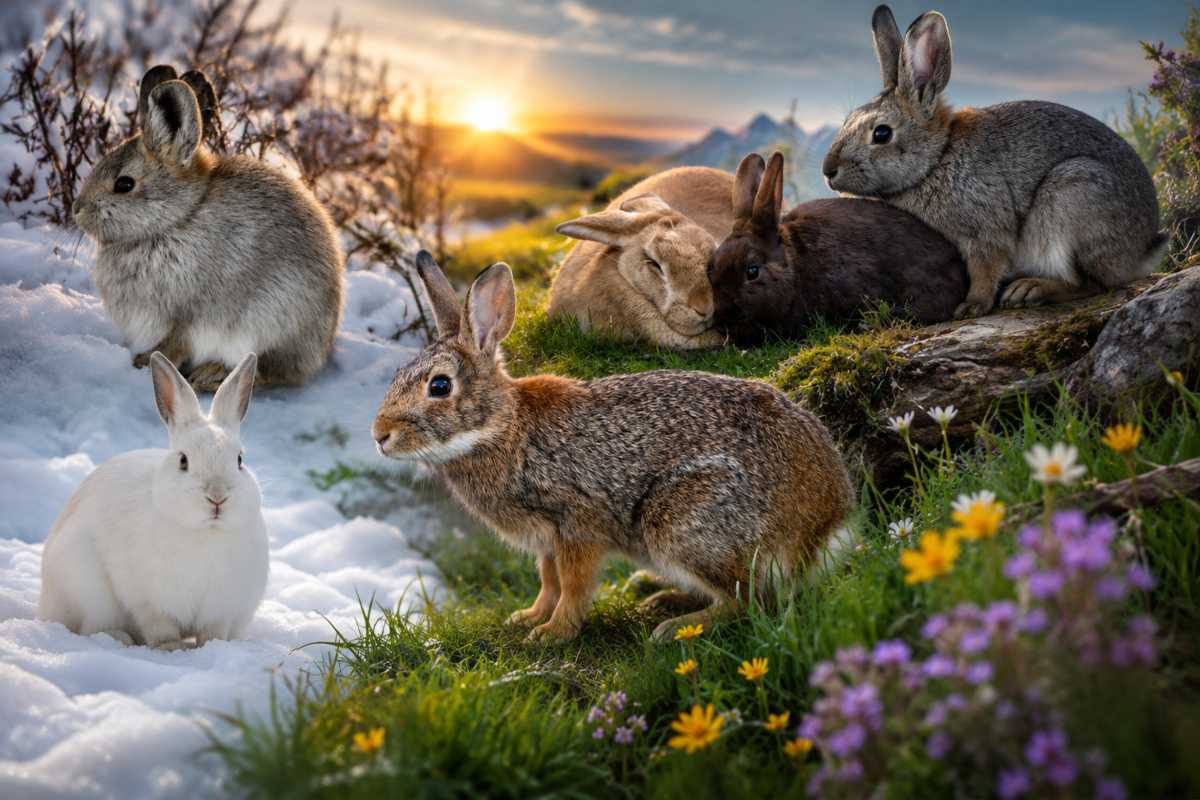
Domestic Rabbit Facts
There are more than 300 recognised domestic rabbit breeds worldwide, ranging from the tiny Netherland Dwarf, which weighs under 2.5 pounds, to giant breeds that top 20 pounds at full maturity. Domestic rabbits descend entirely from the European rabbit (Oryctolagus cuniculus), the only rabbit species ever fully domesticated, with breeding records tracing back to French monasteries in the Middle Ages.
Unlike their wild relatives, domestic rabbits typically live 8 to 12 years thanks to protection from predators, consistent nutrition, and veterinary care, roughly six times longer than the average wild rabbit’s 1-to 2-year lifespan. Coat type, ear shape, and body size vary enormously by breed. Still, nearly all domestic rabbits retain the same core behaviours as wild ones, including digging, chewing, and a strong preference for social bonding with other rabbits.
Cottontail Rabbit Facts (Including Eastern Cottontail)
Cottontail rabbits, easily identified by their signature puffball tail, are among the most widespread wild rabbit species in North America, with the Eastern cottontail alone ranging across most of the eastern and central United States. Unlike domestic rabbits, cottontails don’t dig their own burrows; instead, they rely on natural cover like dense brush, tall grass, and abandoned burrows dug by other animals for shelter and nesting.
Eastern cottontails are prolific breeders, capable of producing up to 7 litters a year with 4 to 7 kits per litter, a reproductive rate that helps offset extremely high predation; fewer than 25% of cottontails survive their first year in the wild, hunted by everything from hawks to snakes to larger cats. Their diet shifts seasonally, favouring clover and grasses in warmer months and switching to bark, twigs, and buds once snow covers the ground.
Flemish Giant Rabbit Facts
The Flemish Giant is the largest domestic rabbit breed in the world, with adults commonly weighing 15 to 20 pounds and some individuals exceeding 22 pounds, roughly the size of a medium dog. Originating in Flanders, Belgium, in the 16th century, the breed was originally raised for meat and fur before becoming popular as a docile, gentle-natured pet and show animal.
Despite their imposing size, Flemish Giants are known for a calm, easygoing temperament, making them a common choice for families and 4-H programs despite the extra space and food they require compared to smaller breeds. Their lifespan runs slightly shorter than average domestic rabbits, typically 5 to 8 years, due to the physical strain larger body size places on the heart and joints.
Arctic and Snow Rabbit Facts
The Arctic hare, found across the northernmost regions of Canada, Greenland, and other polar areas, is built specifically to survive extreme cold, with a thick double-layered coat that turns pure white in winter and grayish-brown in summer for camouflage, a colour-shifting strategy quite different from the permanent, showy plumage seen in peacock feathers. Arctic hares can run at speeds up to 40 miles per hour and are capable of surviving temperatures as low as -30°F, relying on huddling in groups and digging shallow snow shelters to conserve body heat.
Unlike most rabbit species, Arctic hares sometimes stand upright on their hind legs like a kangaroo to scan for predators across the open tundra, a behaviour rarely seen in other rabbit or hare species. Their diet in winter consists almost entirely of woody plants, moss, and lichen, since little else survives the harsh Arctic climate.
Pygmy Rabbit Facts (Endangered Status)
The pygmy rabbit is the smallest rabbit species in North America, weighing under 1 pound and measuring roughly 9 to 11 inches long as an adult, small enough to fit in a human hand. Unlike most rabbits, pygmy rabbits dig their own burrow systems rather than relying on natural cover, and they’re closely tied to sagebrush habitat, using it for both food and shelter a dependency that makes them especially vulnerable to habitat loss.
One isolated population, the Columbia Basin pygmy rabbit in Washington State, is listed as federally endangered, with wild population estimates dropping below 50 individuals at their lowest point before conservation breeding programs intervened. Their steep decline is tied almost entirely to sagebrush ecosystem destruction from agriculture and development, making the pygmy rabbit one of the clearest examples of how habitat-specific a single rabbit species can be.
Rabbit Anatomy and Biology Facts
Rabbit biology is built almost entirely around one goal: survival as a prey animal, which shapes everything from their nearly panoramic vision to a digestive system that recycles its own waste. This section breaks down the core anatomy and biological facts behind how rabbits see, move, reproduce, and eat.
How Rabbits See, Hear and Move
A rabbit’s eyes sit on the sides of its head, giving it a field of vision close to 360 degrees so it can spot predators approaching from nearly any angle without turning its head. The tradeoff is a small blind spot directly in front of its nose. Their hearing is equally specialised: rabbit ears rotate independently up to 270 degrees. They can be angled toward a sound source with pinpoint accuracy, functioning almost like a pair of independent radar dishes. This ear structure does double duty as a temperature regulator too, since rabbits can’t sweat and rely on blood vessels near the ear’s surface to release excess body heat.
When it comes to movement, rabbits are built for explosive short-distance speed rather than endurance, with powerful hind legs that let wild rabbits reach speeds up to 45 miles per hour and clear jumps of 3 feet vertically or 9 feet horizontally in a single bound an escape mechanism refined by millions of years of predator pressure, not unlike the flight instincts covered in our guide to can flamingos fly.
Rabbit Reproduction and Lifespan
Rabbits are famous for rapid reproduction, and the biology backs up the reputation: gestation lasts just 28 to 31 days, one of the shortest pregnancy periods of any mammal their size, and a single doe can produce up to 7 litters a year with 4 to 12 kits per litter. Female rabbits are also induced ovulators, meaning ovulation is triggered by mating itself rather than a fixed cycle, which is part of why rabbit populations can expand so quickly under favourable conditions; a single pair’s descendants can theoretically number in the hundreds within a year. Lifespan varies dramatically by environment: wild rabbits typically survive only 1 to 2 years due to constant predation.
Rabbit Diet and Digestion
Rabbits are strict herbivores, and roughly 80% of a healthy rabbit’s diet should consist of grass or hay, supplemented with leafy greens and a small portion of pellets or vegetables. This balance mirrors what wild rabbits naturally forage for. Their digestive system is uniquely fragile: rabbits are physically unable to vomit, so any digestive blockage or slowdown, known as gastrointestinal stasis, can become life-threatening within hours if untreated.
One of the most distinctive facts about rabbit digestion is cecotropy: rabbits produce special nutrient-dense droppings called cecotropes and re-ingest them directly to extract vitamins, proteins, and nutrients their gut missed on the first pass. This two-stage digestion process is essential, not optional, and it’s a major reason a high-fibre diet matters so much. Without constant fibre intake, both digestion and dental health (since rabbit teeth grow 3 to 5 inches per year) start to break down quickly.
Rabbits in Culture and History
Rabbits have held symbolic meaning across human cultures for thousands of years, most commonly representing fertility, luck, and springtime renewal, while also serving as one of the earliest domesticated animals kept for both food and companionship. This section covers how rabbits have shaped folklore and how they evolved into one of the world’s most popular pets.
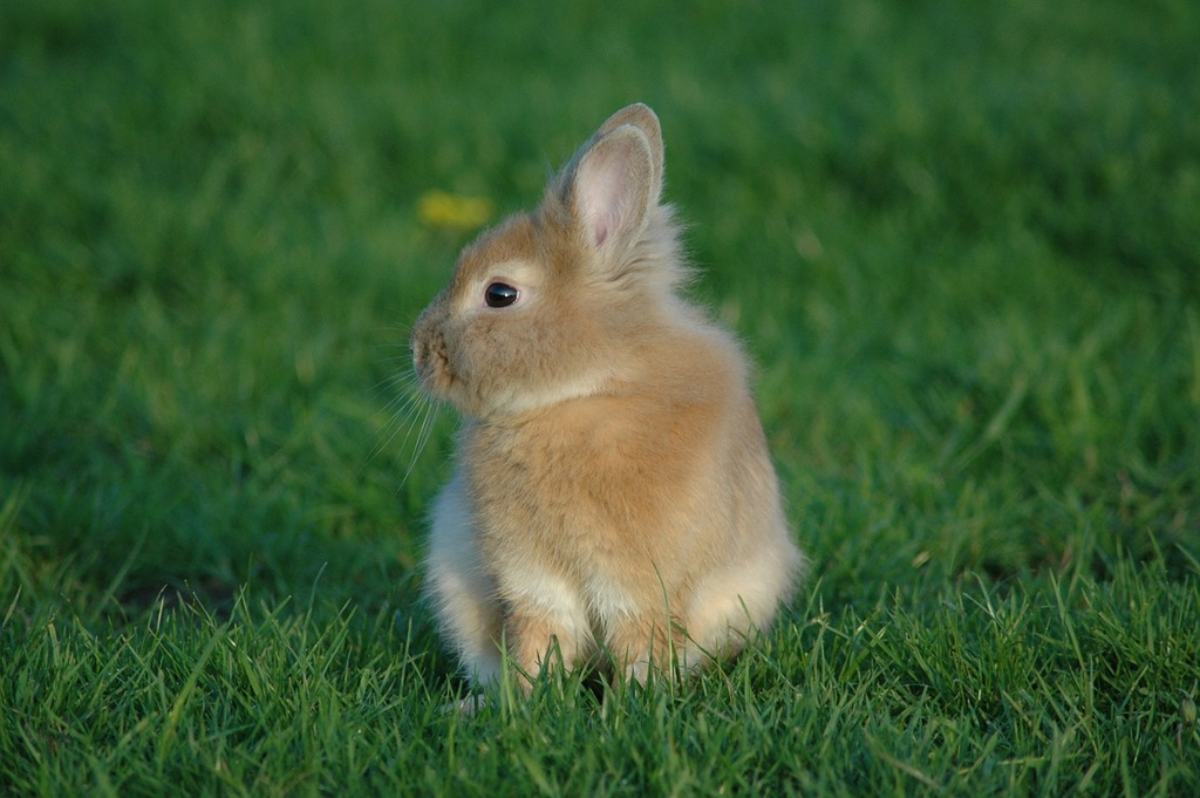
Rabbits as Symbols and Folklore
Because of their rapid reproduction, rabbits have symbolised fertility and abundance in cultures ranging from ancient Egypt to medieval Europe, a connection still visible today in the Easter Bunny tradition, which blends pre-Christian spring fertility symbolism with Christian Easter celebrations. In East Asian folklore, particularly Chinese, Japanese, and Korean traditions, a rabbit is said to live on the moon, endlessly pounding rice or medicine with a mortar and pestle, a myth tied to the dark patches visible on the moon’s surface that ancient observers interpreted as a rabbit’s silhouette.
The rabbit is also one of the 12 animals in the Chinese zodiac, representing traits like gentleness, vigilance, and quick thinking, and it appears in a 12-year cycle believed to influence the personality of people born under its sign, alongside animals like the monkey. Western folklore leans differently, often casting the rabbit as a trickster figure. The character Br’er Rabbit, rooted in African and African American folk tales, built an entire mythology around outsmarting larger, stronger animals through cleverness rather than strength.
Rabbits as Pets Through History
Domestication of the European rabbit is believed to have started with French monks around the 6th century, who bred rabbits in captivity partly for meat but also began selecting for docile temperament, an early step toward the more than 300 domestic breeds recognised today. By the Victorian era in 19th-century England, rabbit keeping had shifted from purely practical to recreational, with dedicated rabbit breeding clubs and competitive rabbit shows emerging as a popular hobby among the middle and upper classes.
The 20th century saw rabbits move fully into the household as companion animals, and today an estimated 6.7 million rabbits are kept as pets in the United States alone, according to American Pet Products Association data, making them one of the most popular small mammal pets behind only cats and dogs in overall ownership numbers. This shift from livestock to companion animal has also reshaped rabbit breeding priorities, with modern breed standards now weighing temperament and appearance as heavily as the size and fur traits that mattered most in earlier centuries.
Conclusion
Rabbits are far more complex than their gentle, twitchy-nosed reputation suggests, from a digestive system that requires eating their own droppings to survive to a heart that can beat over 300 times per minute under stress; these animals have evolved an entire biology around speed, alertness, and rapid reproduction. Across this guide, the rabbit facts covered span basic biology, breed-specific quirks, weird behaviours, and thousands of years of cultural symbolism and the throughline in nearly every fact is how thoroughly rabbits are built to survive as prey, whether that’s through 360-degree vision, independently rotating ears, or a reproductive cycle that can produce dozens of offspring in a single year.
Whether you came here for a quick fact to settle a debate, research on a specific breed like the Flemish Giant or pygmy rabbit, or a deeper understanding of rabbit anatomy and behaviour, the goal of this resource was to consolidate scattered rabbit trivia into one reliable reference. With over 30 wild species and more than 300 domestic breeds worldwide, rabbits remain one of the most adaptable and widely distributed mammal families on the planet. If wildlife facts like these caught your interest, check out our directory on the animals that start with X for more animal trivia across the wild kingdom.
Frequently Asked Questions(FAQs)
How many species of rabbits are there?
There are more than 30 recognised wild rabbit species worldwide, spanning genera like Oryctolagus, Sylvilagus, and Brachylagus. On top of that, over 300 domestic rabbit breeds exist, all descended from a single species, the European rabbit.
What’s the difference between a rabbit and a hare?
Rabbits are born blind, hairless, and nest-dependent, while hares are born fully fuzzy with open eyes and can move within minutes. Hares are also generally larger, with longer ears and legs built for sustained open-field speed rather than burrow-based living.
Are rabbits nocturnal?
No, rabbits are crepuscular, not nocturnal, meaning they’re most active at dawn and dusk rather than throughout the night. This activity pattern helps them avoid both daytime and nighttime predators.
What do wild rabbits eat?
Wild rabbits eat mostly grasses, clover, and leafy plants, shifting to bark, twigs, and buds in colder months. Their diet is almost entirely fibrous plant material, which is essential for both digestion and constant tooth wear.