Few creatures evoke as much awe and intrigue regarding Egypt’s deserts and history as Egyptian snakes. These reptiles’ diverse adaptations, roles in mythology, and ecological significance are a crucial part of the country’s natural and cultural heritage. From the legendary Egyptian cobra to the elusive sand-dwelling species, this article delves into astonishing facts about Egyptian snakes that you may not have known, blending biology, mythology, and practical insights.
1. The Iconic Egyptian Cobra
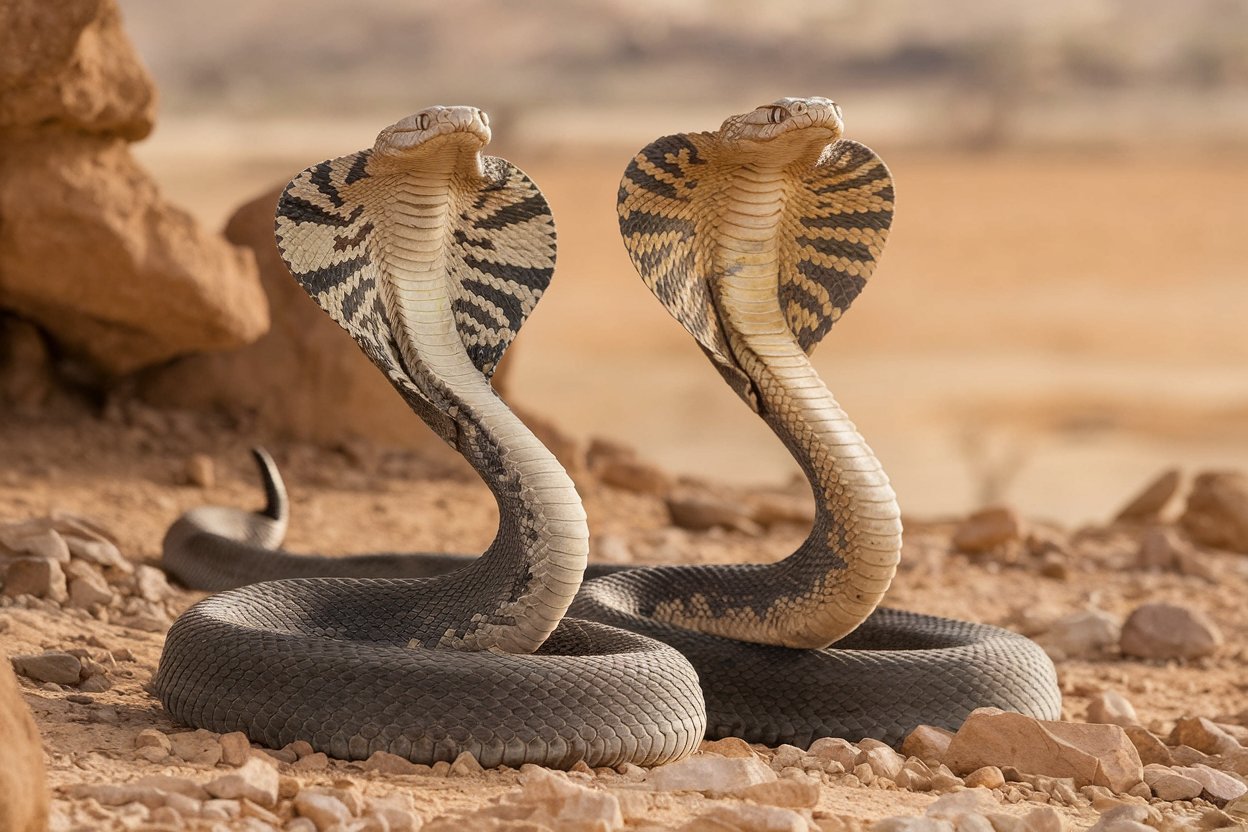
The Egyptian cobra (Naja haje) is one of the most well-known snakes in Egypt, thanks to its connection with pharaohs and ancient mythology. It is a venomous species that can grow up to 8 feet long and is easily identified by its hood, which it flares when threatened.
In ancient Egyptian mythology, The cobra was honoured as a representation of safeguarding and divine power. The Uraeus, a representation of a rearing cobra, adorned the crowns of pharaohs to signify their sacred right to rule. Unlike some misconceptions, the Egyptian cobra is not aggressive unless provoked, but its venom can be lethal, making it a creature both feared and respected.
2. Venomous Snakes in Egypt
Egypt is home to various venomous snakes, each playing a vital role in its ecosystem. The horned viper (Cerastes cerastes) and the saw-scaled viper (Echis pyramidum) are well-adapted to desert environments.
- Horned Viper: Known for the distinctive horn-like scales above its eyes, this snake buries itself in the sand and ambushes prey such as rodents and lizards.
- Saw-Scaled Viper: Despite its small size, this snake is one of the most dangerous, and its venom causes significant medical concerns in humans.
The term “venomous snakes in Egypt” highlights the importance of these species in controlling pest populations, which helps maintain ecological balance.

3. Desert Snake Adaptations
Surviving in Egypt’s harsh desert conditions requires incredible adaptations, and Egyptian snakes are masters of this art. From their ability to conserve water to their unique movement methods, desert snakes thrive where few others can.
- Sidewinding Movement: Snakes like the horned viper use a unique sidewinding motion to move across loose sand without sinking.
- Camouflage: Many desert snakes are sand-coloured, enabling them to integrate effortlessly into their environment and evade potential threats.
- Burrowing: Non-venomous species, such as sand boas, are excellent burrowers. They spend much time hidden beneath the sand to escape the scorching heat.
These desert snake adaptations testify to nature’s ingenuity and ensure snakes’ survival in some of the world’s most extreme environments.
4. Egyptian Snakes in Mythology
Snakes are prominent in Egyptian mythology, symbolizing protection, chaos, and transformation. The cobra was significantly linked to the goddess Wadjet, a deity who guarded the pharaohs and was often depicted on their crowns.
One of the most intriguing myths involving Egyptian snakes is the story of Apep, a giant serpent representing chaos. According to legend, Apep battled the sun god Ra each night, and Ra’s victory ensured the continuation of life. This daily cosmic struggle between order and chaos reflects the duality of snakes in Egyptian culture—they were both revered and feared.
The term “Egyptian mythology snakes” encapsulates these fascinating stories transcending time.
5. Non-Venomous Egyptian Snakes
While much attention is given to venomous species, non-venomous Egyptian snakes also play a critical role in maintaining the ecological balance. The African rock python, for instance, is a massive constrictor that preys on rodents, helping control agricultural pests.
Another example is the sand boa, a small, harmless snake that is an expert burrower. These snakes are vital for pest control and feed bigger predators, playing a role in the complex web of life in Egypt’s ecosystems.

6. The Snake Charmers of Egypt
The image of snake charmers with their flutes and cobras is deeply ingrained in Egypt’s popular imagination. While captivating, this practice has ethical and legal concerns. Snake charmers often remove a snake’s venom glands, a procedure that can harm or kill the animal.
In modern Egypt, wildlife conservation efforts have led to a decline in traditional snake charming. This change demonstrates an increasing recognition of the significance of safeguarding Egyptian snakes and their habitats.
7. Conservation Challenges
Despite their resilience, Egyptian snakes face numerous threats, including habitat destruction, climate change, and illegal hunting. Urban expansion has reduced the availability of natural habitats, while myths and fears often lead to the indiscriminate killing of snakes.
To support snake conservation in Egypt, you can:
- Volunteer with or donate to organizations like the Egyptian Society for Herpetology.
- Educate others about the ecological importance of snakes.
- Avoid purchasing products made from snakeskin or other wildlife.
Protecting Egyptian snakes is not just about preserving a species—it’s about maintaining the delicate balance of Egypt’s ecosystems.
8. Fun Facts About Egyptian Snakes
Here are some quick and fascinating facts about Egyptian snakes:
- The Egyptian cobra can spit venom up to 2 meters to defend itself.
- Sand boas are known as “desert ghosts” because of their elusive nature.
- Snakes like the horned viper can go weeks without water, obtaining moisture from their prey.
- The Uraeus cobra symbol is still used in Egyptian-inspired jewellery and art today.
These facts highlight the unique characteristics and cultural significance of Egyptian snakes.
9. Staying Safe Around Egyptian Snakes
Whether you’re a tourist exploring the pyramids or a local hiking in the desert, encountering snakes is possible in Egypt. Here are some tips to stay safe:
- Stay Aware: Watch your step, especially in rocky or sandy areas.
- Avoid Touching: Do not attempt to handle or provoke any snake.
- Wear Proper Gear: Use thick boots and long pants when hiking in snake-prone areas.
- Seek Help: In case of a snakebite, request prompt medical care and attempt to recognize the snake from a safe distance.
Understanding how to coexist safely with Egyptian snakes benefits both humans and wildlife.

Conclusion
Egyptian snakes are more than desert dwellers—they are symbols of ancient power, masters of survival, and key players in their ecosystems. Each species contributes to Egypt’s natural and cultural tapestry, from the legendary Egyptian cobra to the lesser-known sand boa.
By appreciating their role in mythology, respecting their adaptations, and supporting conservation efforts, we can ensure that these fascinating reptiles continue to thrive. Next time you think of Egypt, let the astonishing world of Egyptian snakes come to mind—a reminder of the beauty and complexity of life in the desert.