Turtles have been quietly outlasting dinosaurs, ice ages, and entire species for over 200 million years, and that staying power alone makes them one of the most fascinating animals on the planet. This directory covers fun facts about turtles from whether they actually have teeth to why sea turtles are green, how big they grow, what preys on them, and how tortoises differ from their aquatic cousins.
Turtles belong to one of the oldest reptile groups alive today, with fossil records dating back further than most dinosaurs. That alone raises questions most people never think to ask: Do turtles have teeth, or just a beak? Are they reptiles, or is a turtle technically a mammal? Why do some tortoises look almost painted while sea turtles come in shades of olive and green?
Whether you’re a parent looking for turtle facts for kindergarten, a teacher building a classroom lesson, or just someone who fell down a curiosity rabbit hole, this guide breaks turtle trivia into clear, bite-sized sections covering teeth, color, behavior, habitat, and the wildest facts you’ll want to share. And if turtles spark your curiosity about the rest of the animal kingdom, you’ll find plenty more in our fun facts about animals collection.
Quick Turtle Facts Snapshot
Turtles are cold-blooded reptiles with hard shells, no teeth, and a lifespan that can stretch well beyond a century in some species. Here’s the essential rundown before diving deeper:
- Turtles are reptiles, not mammals or amphibians
- They breathe air through lungs, even the fully aquatic species
- Turtles have no teeth; they use a sharp, horny beak instead
- Most species lay eggs on land, even if they live in water
- Some tortoises can live over 150 years
- Turtles are vertebrates, meaning they have a backbone and internal skeleton
- Their shell is fused to their spine and ribcage; it’s not a separate “house”
Is a Turtle an Animal, Reptile or Mammal?
A turtle is an animal, and more specifically, it’s a reptile, not a mammal. Turtles are cold-blooded, meaning they rely on their environment to regulate body temperature, and they lay eggs rather than giving birth to live young, which are two of the defining traits that separate reptiles from mammals. Like all reptiles, turtles also have scaly or leathery skin and breathe through lungs, even species that spend nearly their entire lives underwater. The confusion sometimes comes from their shell, which looks unlike typical reptile skin, but the shell doesn’t change their classification; it’s simply a specialized, bony adaptation unique to the turtle order, Testudines.
Are Turtles Invertebrates or Vertebrates?
Turtles are vertebrates, meaning they have a spine and an internal skeleton rather than an external one. This is an important distinction because their shells can lead people to assume turtles work like insects or crabs, which are protected by an exoskeleton. In reality, a turtle’s shell is fused directly to its spine and ribs, making it a living, growing part of its skeletal system rather than a separate protective case. This bony structure is one reason turtles are considered one of the most anatomically unique vertebrate groups alive today, with a body plan that hasn’t changed dramatically in over 200 million years.
Do Turtles Have Teeth? (Full Breakdown)
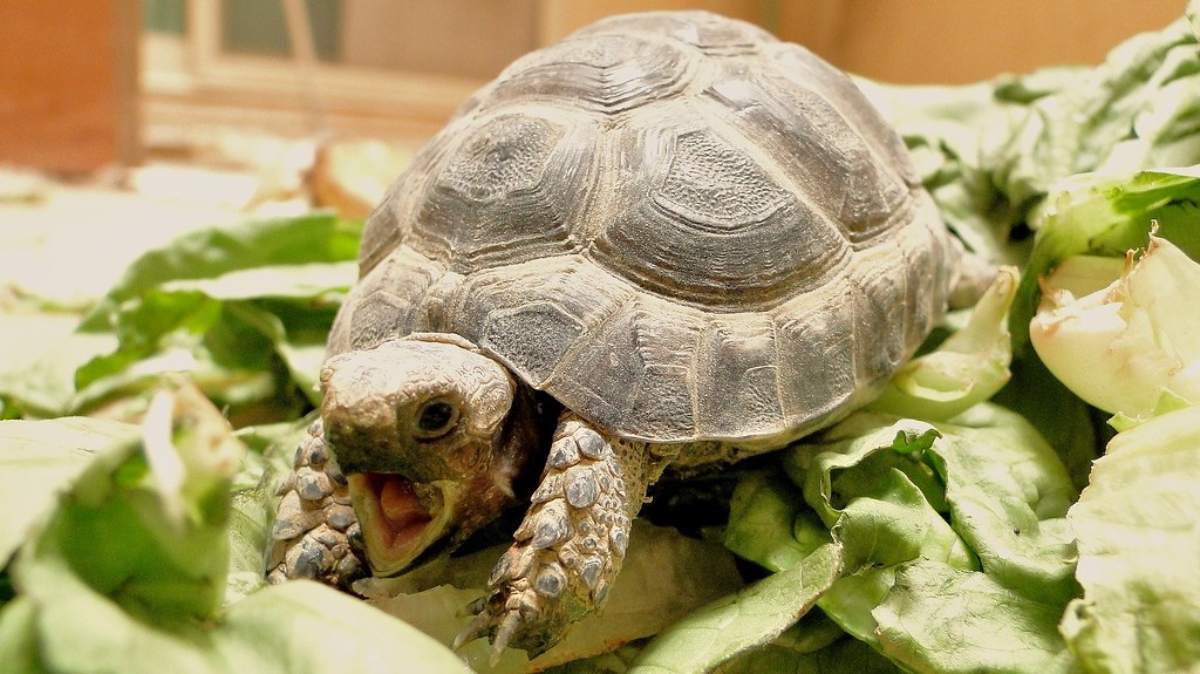
No, turtles do not have teeth. Instead, they have a hard, horny beak similar to a bird facts, which they use to bite, tear, and crush their food. This is true across every turtle species alive today, whether they live on land, in freshwater, or in the ocean.
How Many Teeth Does a Turtle Have?
Turtles have zero teeth; the number is always zero, regardless of species, size, or age. What might look like small ridges or serrations along the edge of a turtle’s beak are not teeth at all; they’re part of the keratin structure of the beak itself, sometimes sharpened along the edges to help grip slippery prey like fish or plants. This is a common point of confusion, since some turtle species have beaks that appear almost tooth-like at first glance, but true teeth with roots, enamel, and individual structure are completely absent in modern turtles.
Do Sea Turtles Have Teeth?
Sea turtles do not have teeth either, and their beaks are specifically shaped to suit their diet. A green sea turtle, for example, has a finely serrated beak suited for grazing on seagrass and algae, while a loggerhead sea turtle has a broader, stronger beak built for crushing hard-shelled prey like crabs and mollusks. This beak specialization is one of the clearest signs that turtle anatomy evolved around efficiency rather than raw biting power; each species’ beak is a tool matched precisely to what it eats.
How Turtles Eat Without Teeth
Turtles eat by using their beak to bite off, tear, or crush food, then rely on their tongue and throat muscles to push it down, since they cannot chew the way mammals do. Many species also use their front claws to help hold or shred larger pieces of food before swallowing. This system works well enough that turtles have survived largely unchanged for roughly 200 million years, making toothless feeding one of the most successful and enduring adaptations in the animal kingdom.
What Color Are Turtles and Tortoises?
Turtles and tortoises come in a wide range of colors, including shades of green, brown, black, olive, and yellow, depending on the species and their environment. Sea turtles tend toward muted greens and browns for camouflage in open water. At the same time, tortoises often show more varied, mottled patterns suited to blending into dry, rocky, or grassy terrain, not unlike how arctic foxes facts shift coat color to match their surroundings across seasons.
Why Are Sea Turtles Green?
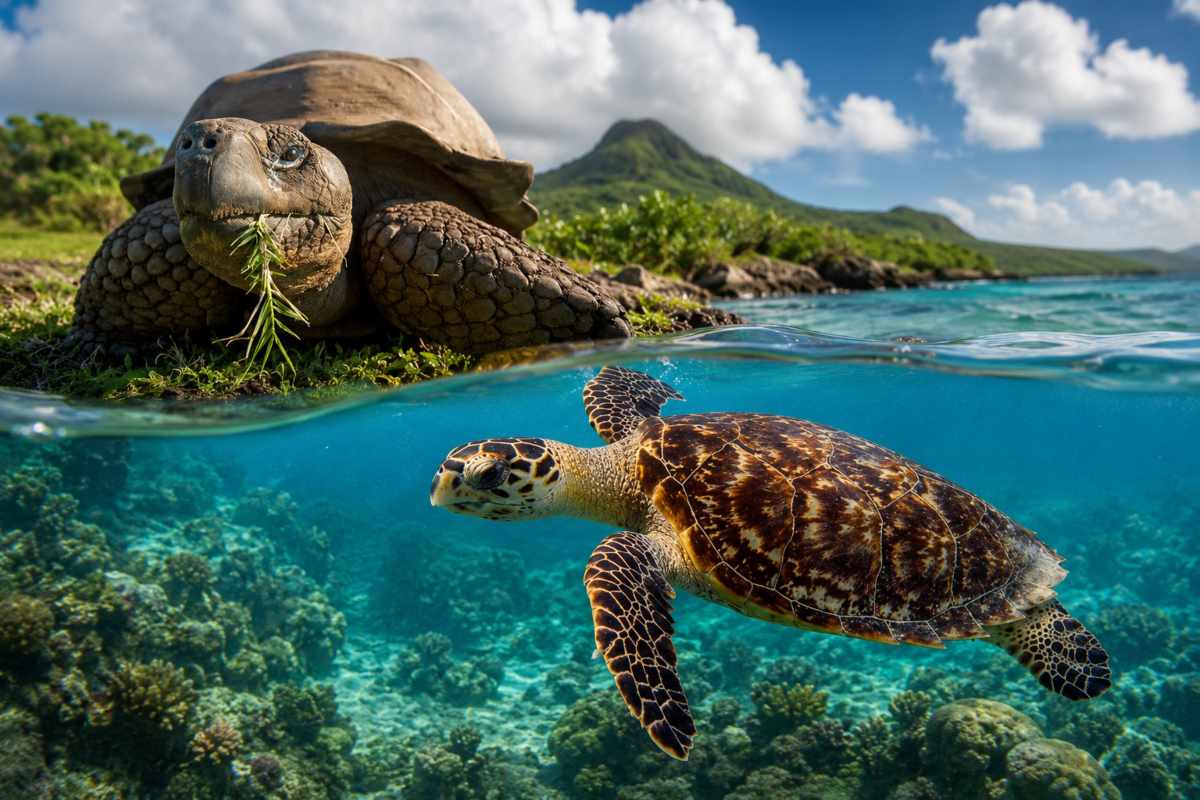
Green sea turtles get their name from the color of their body fat, not their shell, which is caused by the algae and seagrass that make up most of their diet. Their actual shell and skin tend to be olive, brown, or dark green, and this coloring works as camouflage against predators while swimming through seagrass beds and coral reefs. Interestingly, the “green” in “green sea turtle” was originally used by sailors and early naturalists to describe the color of the turtle’s fatty tissue, which was once a food source. The name stuck long after that practice ended, and it’s now simply the species’ common identifier.
Tortoise Color Variations Explained
Tortoise coloring varies significantly by species and habitat, ranging from sandy tan and golden brown to dark brown, gray, and near-black shells. Desert tortoises tend to have lighter, sandier tones that help them blend into arid terrain. At the same time, forest and grassland species often show darker, more mottled shells for camouflage among vegetation and shadow. Shell color can also shift slightly with age, diet, and sun exposure, meaning two tortoises of the same species can look noticeably different depending on where and how they’ve lived. This variation is one reason tortoise identification often relies on shell pattern and shape as much as color alone.
Do Turtles Have Tails or Fingers?
Yes, turtles have tails, and most species have five clawed digits on their front feet that function similarly to fingers, especially in land-dwelling tortoises. A turtle’s tail length and thickness often indicate its sex, since males typically have longer, thicker tails than females of the same species. The clawed front feet are used for digging nests, gripping food, and, in tortoises, for walking and burrowing a digging instinct that echoes how rabbits use their front paws to excavate warrens. At the same time, aquatic turtles have adapted these same digits into flatter, webbed, or flipper-like limbs suited for swimming rather than gripping.
Turtle vs Tortoise vs Sea Turtle: What’s the Difference?
The main difference between turtles, tortoises, and sea turtles comes down to habitat: turtles are the broad umbrella term, tortoises live exclusively on land, and sea turtles are adapted specifically for life in the ocean. All three belong to the same reptile order, Testudines, but their bodies have evolved differently depending on where they spend most of their time. Tortoises have stubby, column-like legs built for walking, while sea turtles have long, paddle-shaped flippers built for swimming.
Are Sea Turtles Reptiles or Amphibians?
Sea turtles are reptiles, not amphibians, despite spending nearly their entire lives in water. The distinction matters because amphibians typically start life in water with gills before developing lungs. At the same time, sea turtles breathe air through lungs from birth and must surface regularly to breathe, even as adults. Female sea turtles also come ashore to lay their eggs, since sea turtle eggs need to develop on land rather than underwater a trait shared with land turtles and tortoises but not with true amphibians. This air-breathing, egg-laying pattern is one of the clearest markers that separates sea turtles from any amphibious classification.
Turtle Behavior and Daily Habits
Turtle behavior varies by species, but most turtles split their time among basking, foraging, and resting, with activity levels often tied to water and air temperatures. Aquatic turtles are frequently seen basking on logs or rocks to regulate their body temperature, since, as cold-blooded reptiles, they rely on external warmth rather than generating their own. Tortoises, by contrast, tend to be more consistently active during daylight hours, grazing on vegetation and moving slowly across their territory in search of food and shelter.
One notable behavioral trait across nearly all turtle species is their tendency toward solitary living. Much like cats, most turtles don’t form social groups outside of mating season and instead spend the majority of their lives independently foraging, basking, and resting on their own schedule.
Turtle and Tortoise Habitat and Life Cycle
Turtles and tortoises live across nearly every warm and temperate region on Earth, from freshwater ponds and desert scrublands to open ocean, with habitat directly shaping their size, diet, and lifespan. Understanding where a species lives is often the fastest way to understand how it grows, feeds, and survives.
How Big Do Turtles Grow?
Turtle size varies enormously by species, ranging from the speckled padloper tortoise at under 4 inches to the leatherback sea turtle, which can grow to nearly 7 feet long and weigh over 1,500 pounds. Most freshwater and land turtles fall somewhere in between, typically reaching 4 to 12 inches in length as adults, depending on the species.
Growth rate and final size are closely tied to habitat and diet: turtles with access to abundant food and stable, warm environments tend to grow larger and live longer than those in harsher or more resource-limited conditions. The leatherback’s size in particular makes it not just the largest turtle species but one of the largest reptiles on Earth today, a scale comparison not unlike sizing up whether tigers are bigger than lions among big cats.
Life Cycle of a Green Sea Turtle
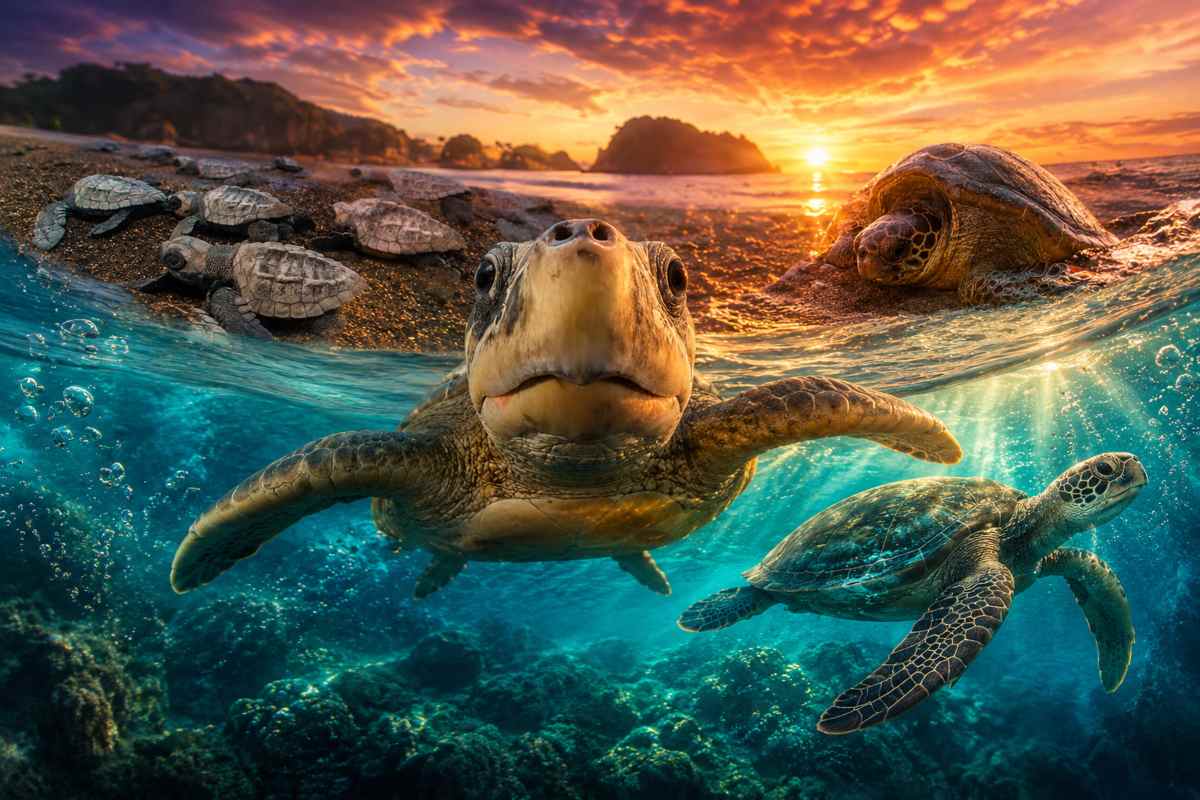
A green sea turtle’s life cycle begins on land, where females dig nests in the sand and lay clutches of around 100 to 200 eggs before returning to the ocean. After roughly two months of incubation, hatchlings emerge at night and instinctively crawl toward the ocean, facing a high risk of predation during this brief window before reaching the water.
Once in the ocean, juveniles spend their early years drifting in open water feeding on small organisms, before eventually settling into coastal seagrass beds as they mature into the algae-and-plant diet typical of adults. Green sea turtles don’t reach sexual maturity until 25 to 35 years of age, and females return to nest on the same beaches where they themselves hatched, a navigational feat scientists still don’t fully understand.
What Do Turtles Eat and Who Preys on Them?
Turtle diets range from strictly herbivorous to fully carnivorous depending on the species, with many turtles eating a mix of plants, insects, small fish, and crustaceans. Green sea turtles primarily graze on seagrass and algae, snapping turtles eat fish and small animals, and tortoises typically stick to grasses, leaves, and fruit.
Predation risk is highest during the egg and hatchling stages, when birds, crabs, raccoons, and fish account for the vast majority of turtle deaths in fact, it’s estimated that as few as 1 in 1,000 sea turtle hatchlings survives to adulthood, making the journey from nest to ocean one of the most dangerous stretches in any animal’s life cycle, not unlike the high-stakes hunts seen when comparing cheetahs vs leopards in the wild.
Adult turtles, protected by their hard shells, face far fewer natural predators, with humans and habitat loss posing a greater long-term threat than any animal predator.
Fun and Weird Turtle Facts (The Shareable Core)
Turtles are full of surprising, almost unbelievable traits that make them among the most talked-about animals in the reptile world, from record-breaking lifespans to unusual breathing methods. This section rounds up the most shareable, fact-check-worthy fun facts about turtles, spanning sea turtles, tortoises, and turtles in general.
25 Amazing Facts About Sea Turtles
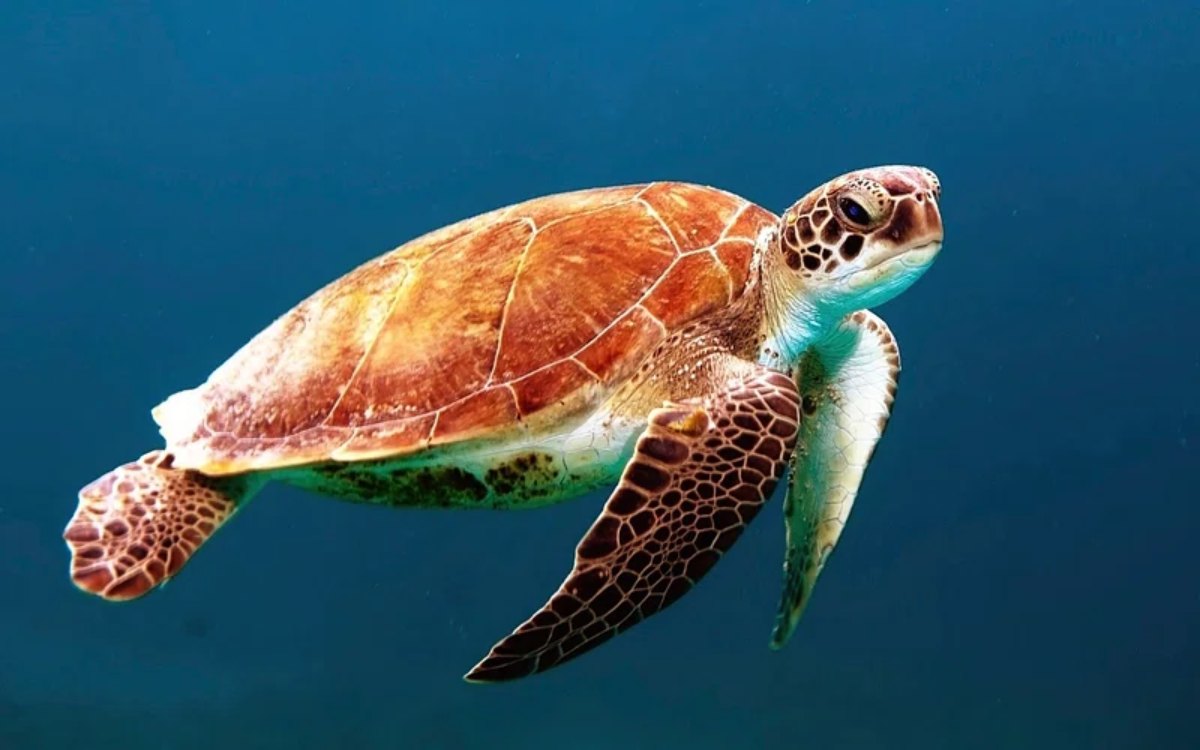
- Sea turtles have existed for over 100 million years, meaning they swam alongside dinosaurs
- There are seven living species of sea turtle, and six are classified as threatened or endangered
- Leatherback sea turtles can dive deeper than 3,900 feet, deeper than most whales
- Sea turtles can hold their breath for several hours while resting or sleeping underwater
- A sea turtle’s shell, called a carapace, is fused directly to its spine
- Female sea turtles cry while nesting, but it’s to expel excess salt, not emotion
- Hawksbill sea turtles primarily eat sponges, a diet almost no other animal can tolerate
- Sea turtles can migrate over 1,000 miles between feeding grounds and nesting beaches
- Loggerhead sea turtles have one of the strongest bite forces of any turtle species
- Sea turtle sex is determined by nest temperature, not genetics; warmer sand produces more females
- Some sea turtles live over 80 years in the wild
- Sea turtles navigate using Earth’s magnetic field, similar to a built-in compass
- A green sea turtle’s shell can grow larger than 4 feet long
- Sea turtles have been recorded swimming at speeds up to 22 miles per hour when threatened
- Baby sea turtles use a temporary “egg tooth” to break out of their shell, which falls off shortly after hatching
- Sea turtles cannot retract their heads or flippers into their shells, unlike many land turtles
- Kemp’s ridley is the smallest and most endangered sea turtle species
- Sea turtles can go months without eating during migration
- A turtle’s top shell is called a carapace, and the bottom is called a plastron
- Sea turtles have excellent underwater vision but poor eyesight on land
- Some sea turtles nest on the same beach where they hatched decades earlier
- Olive ridley sea turtles nest in mass synchronized events called “arribadas”
- Sea turtles play a key role in maintaining healthy seagrass beds by grazing
- A sea turtle’s flippers cannot be pulled back like a land turtle’s legs
- Sea turtles have been found with barnacles and small crabs living on their shells
Weird Turtle Facts You Won’t Believe
- Some turtles breathe partly through their skin, and a few species like the Fitzroy River turtle can absorb oxygen through their rear end while submerged
- Turtles can feel through their shell, since it’s connected to nerve endings, not a numb outer layer
- Certain turtles change color slightly with age, diet, or even mood-related stress
- Some turtle species can live over 150 years, making them among the longest-living animals on Earth, rivaling the impressive lifespans of some owls.
- Turtles have no vocal cords, but many species can still hiss, grunt, or make low clicking sounds
- Chromosomes don’t always determine a turtle’s sex; for many species, it’s set by nest temperature during incubation
Fun Facts About Green Sea Turtles
Green sea turtles are named for the color of their internal fat, not their shell, which develops that hue from a lifelong diet of algae and seagrass. They are one of the few sea turtle species that shift from a carnivorous diet as hatchlings to an almost entirely herbivorous one as adults, a dietary switch that’s rare among reptiles. Green sea turtles can grow shells over 4 feet long and weigh up to 400 pounds, making them one of the largest hard-shelled turtle species in the world.
They’re also known for returning to nest on the exact beaches where they hatched, sometimes traveling over 1,000 miles to do so, guided by a magnetic-field sense. Scientists still don’t fully understand a navigational feat that’s just as remarkable as how flamingos coordinate long-distance migratory flights.
Turtle Facts for Kids (Classroom and Preschool Friendly)
Turtle facts for kids work best when they’re short, easy to picture, and a little bit surprising, since young children connect best with simple comparisons and vivid details. This section offers age-appropriate turtle trivia teachers and parents can use straight from the page, no extra editing needed.
Turtle Facts for Kindergarten
Kindergarten-friendly turtle facts should stick to one clear idea per fact, using simple words and comparisons kids already understand. A turtle carries its home on its back, and that home is actually part of its body; it can’t take the shell off, and it can’t trade it for a new one. Turtles don’t have teeth, so they use a hard beak like a bird’s to bite their food instead of chewing it.
Some turtles live in water, and some live on land, but all turtles breathe air, just like people do, which means even a turtle swimming in the ocean has to come up to breathe. A fun fact that tends to stick with young learners: some tortoises can live to be over 100 years old, which is much, much older than a grandparent.
Sea Turtle Facts for Preschoolers
Preschool-level sea turtle facts work best paired with a simple visual or comparison, since kids at this age respond well to size, color, and movement. Sea turtles swim using flippers instead of legs, which makes them fast swimmers but slow, awkward walkers on land, much clumsier than how a monkey moves through the trees. Baby sea turtles hatch from eggs buried in warm sand, and once they hatch, they crawl straight toward the ocean on their own.
A green sea turtle isn’t actually green on the outside; its shell is usually brown or olive-colored, and the name comes from the color inside its body. Sea turtles can hold their breath underwater for a very long time, much longer than a person can, which lets them rest or sleep without needing to come up for air right away.
Printable Turtle Trivia for Teachers
Teachers looking for printable turtle trivia can pull directly from the facts across this guide to build quizzes, worksheets, or classroom trivia cards without needing outside sources. A strong printable set typically mixes three fact types: quick true statements (“Turtles have no teeth”), comparison-based facts (“A leatherback sea turtle can weigh more than 1,500 pounds as much as a small car”), and simple cause-and-effect facts (“Warmer sand temperatures during incubation tend to produce more female sea turtles”).
Organizing trivia by category teeth, color, habitat, and predators makes it easy to build a short quiz or a full lesson plan around a single theme. It keeps each fact standalone enough to use on its own for flashcards or worksheet questions. For more classroom-ready material, our Siberian tiger vs Bengal tiger comparison works well as a companion lesson on animal classification.
Conclusion
Turtles have survived for over 200 million years without teeth, without vocal cords, and, in some cases, without changing much about how they live at all, and that resilience is exactly what makes them such a rich source of fun facts. Whether you came here wondering if turtles have teeth, why sea turtles are green, or how big a tortoise can grow, the answer usually reveals something even more surprising about how these animals have adapted to survive.
From the toothless beak that’s replaced actual teeth for millions of years, to the magnetic-field navigation that guides sea turtles back to the exact beach where they hatched, turtles consistently break the assumptions people make about reptiles. They’re not slow in every sense, not simple in behavior, and far from identical across species; a leatherback sea turtle and a speckled padloper tortoise share a classification, but almost nothing else in size, habitat, or daily life.
If there’s one fact worth remembering above the rest, it’s this: an estimated 1 in 1,000 sea turtle hatchlings survives to adulthood, yet the species has persisted for well over 100 million years regardless. That kind of staying power, built entirely on adaptation rather than strength or speed, is what makes turtles worth learning about and worth sharing, whether it’s for a classroom lesson, a trivia night, or simple curiosity about the world’s oldest living reptile family.
Frequently Asked Questions(FAQs)
Do turtles have teeth?
No, turtles do not have teeth. Instead, they use a hard, beak-like mouth made of keratin to bite and tear their food.
Is a turtle a mammal?
No, a turtle is a reptile, not a mammal. Turtles are cold-blooded and lay eggs, both defining reptile traits that mammals don’t share.
Why are sea turtles green?
Green sea turtles get their name from the color of their internal body fat, not their shell. This green coloring comes from their lifelong diet of algae and seagrass.
How many teeth does a turtle have?
Turtles have zero teeth at any stage of life. What looks like ridges along the beak is actually part of the keratin structure, not individual teeth.
Are sea turtles reptiles or amphibians?
Sea turtles are reptiles, not amphibians, even though they spend most of their lives in water. They breathe air through lungs and must surface regularly, unlike true amphibians.
How big do turtles grow?
Turtle size varies widely by species, from under 4 inches for the smallest tortoises to nearly 7 feet for a leatherback sea turtle. Habitat and diet play a major role in determining final adult size.
Do turtles have tails?
Yes, turtles have tails, and tail length often indicates sex, with males typically having longer, thicker tails. Tail size and shape can vary noticeably between species.