Jupiter, the biggest planet in our solar system, has enchanted scientists and space enthusiasts for centuries. Its massive size, powerful storms, and massive gravitational pull make it one of the most extraordinary objects orbiting the Sun. One of the most common questions people ask when learning about the solar system is: How many Earths can fit in Jupiter?
The answer is truly astonishing. Based on volume calculations, around 1,300 Earths can fit inside Jupiter. This comparison highlights just how enormous Jupiter is compared to our relatively small but life-supporting planet.
Understanding How Many Earths Can Fit in Jupiter does more than satisfy curiosity—it helps us grasp the scale of the solar system and appreciate the complexity of planetary formation. In this comprehensive guide, we’ll examine Jupiter’s size, structure, density, gravity, and fascinating scientific insights that highlight important World Facts about our universe and explain why Jupiter dominates the solar system.
Along the way, we’ll also explore fascinating trivia and connections, such as Geography Trivia, to broaden your understanding of how scale comparisons appear across different fields of knowledge.
Introduction to Jupiter: The King of Planets
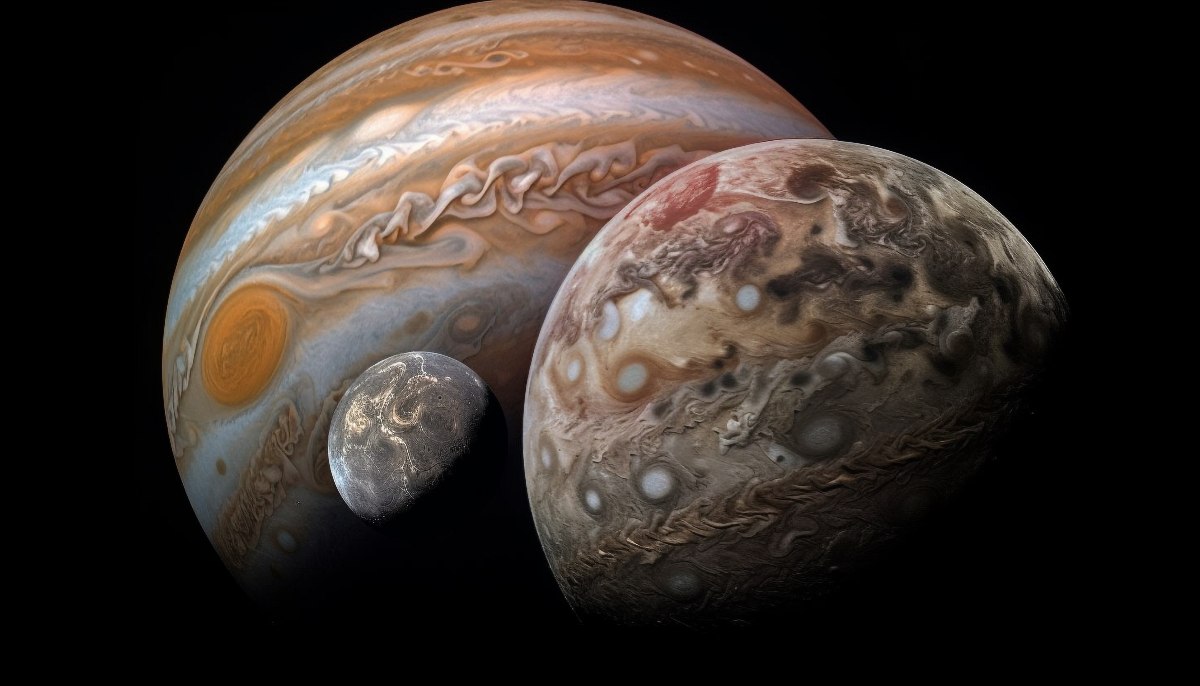
Jupiter is the fifth planet from the Sun and belongs to a group of massive planets known as gas giants. Unlike Earth, which has a solid rocky surface, Jupiter is mainly composed of hydrogen and helium.
Because of its massive size, Jupiter plays a crucial role in shaping the architecture of our solar system.
Key Facts About Jupiter
- Jupiter is 11 times wider than Earth.
- Its mass is 318 times greater than Earth’s
- It has more than 79 known moons.
- Jupiter’s magnetic field is the most powerful of any planet.
- The Great Red Spot storm has lasted over 350 years.
These features help explain why scientists often highlight how many Earths Fit in Jupiter when describing the gas giant’s immense scale.
The Direct Answer – How Many Earths Can Fit in Jupiter?
The straightforward answer to How Many Earths Can Fit in Jupiter is:
Approximately 1,300 Earths can fit inside Jupiter’s total volume.
This estimate is based on comparing the volumes of the two planets.
Planetary Volume Comparison
| Planet | Volume (km³) | Relative Size |
|---|---|---|
| Earth | 1.08 × 10¹² km³ | Base unit |
| Jupiter | 1.43 × 10¹⁵ km³ | ~1,321 times larger |
When scientists divide Jupiter’s volume by Earth’s volume, they get a value close to 1,321. For simplicity, this number is usually rounded to 1,300 Earths.
This calculation provides one of the clearest explanations of how many Earths Fit in Jupiter, making it easier to visualise the immense difference between the two planets. Regardless of your Country of Residence, this comparison helps people around the world better understand the extraordinary scale of Jupiter compared to Earth.
Earth vs Jupiter – A Detailed Planetary Comparison

To fully understand how many Earths Fit in Jupiter, it helps to compare their fundamental characteristics.
| Attribute | Earth | Jupiter | Difference |
|---|---|---|---|
| Diameter | 12,742 km | 139,820 km | ~11× wider |
| Mass | 5.97 × 10²⁴ kg | 1.90 × 10²⁷ kg | ~318× heavier |
| Volume | 1.08 × 10¹² km³ | 1.43 × 10¹⁵ km³ | ~1,321× larger |
| Density | 5.52 g/cm³ | 1.33 g/cm³ | Jupiter less dense |
| Surface Gravity | 9.81 m/s² | 24.79 m/s² | ~2.5× stronger |
| Moons | 1 | 79+ | Vast difference |
| Day Length | 24 hours | ~10 hours | Faster rotation |
These differences reinforce why How Many Earths Can Fit in Jupiter is such an eye-opening scientific comparison.
9 Incredible Facts About How Many Earths Can Fit in Jupiter
Jupiter is so enormous that about 1,300 Earths could fit inside it, making it the largest planet in our solar system. These amazing facts reveal Jupiter’s massive size, powerful gravity, and unique features, highlighting just how small Earth is in comparison. Understanding this comparison helps us better enjoy the vast scale of our universe.
1. Jupiter Could Contain Around 1,300 Earths
The most incredible fact is that How Many Earths Can Fit in Jupiter equals roughly 1,300. This single statistic shows how enormous Jupiter is compared to Earth.
2. Jupiter’s Diameter Is 11 Times Wider Than Earth’s.
If you lined up Earths across Jupiter’s diameter, you could fit about 11 Earths side by side. This helps illustrate visually why How Many Earths Can Fit in Jupiter reaches such a massive number.
3. Jupiter’s Mass Is Larger Than All Other Planets Combined
Jupiter’s mass accounts for more than twice the mass of all other planets combined. This incredible gravitational dominance explains why How Many Earths Can Fit in Jupiter remains one of the most dramatic planetary comparisons.
4. Jupiter Is Less Dense Than Earth
Although How Many Earths Can Fit in Jupiter is around 1,300, Jupiter is actually less dense than Earth.
Why?
- Earth is made of rock and metal.
- Jupiter is mostly gas.
This means Jupiter’s huge volume does not translate into solid material like Earth.
5. Jupiter Spins Extremely Fast
Jupiter finishes a full orbit in about 10 hours, making it the fastest-spinning planet in the solar system.
Even though How Many Earths Can Fit in Jupiter is enormous, its rapid rotation causes the planet to bulge at the equator.
6. The Great Red Spot Could Swallow Earth
The Great Red Spot is a gigantic storm larger than Earth itself.
This massive storm has been raging for more than 3 centuries, further underscoring how extraordinary Jupiter’s scale is when discussing how many Earths Fit in Jupiter.
7. Jupiter Has the Biggest Moon in the Solar System
Jupiter’s moon Ganymede is bigger than the planet Mercury.
When studying How Many Earths Can Fit in Jupiter, scientists also examine its moon system because Jupiter’s gravitational pull controls dozens of satellites.
8. Jupiter Acts as the Solar System’s Cosmic Shield
Another reason why ” How Many Earths Can Fit in Jupiter is such a meaningful question is that Jupiter plays a protective role.
Its massive gravity:
- Deflects comets
- Captures asteroids
- Stabilises planetary orbits
Without Jupiter, Earth might experience far more asteroid impacts.
9. Jupiter Helps Scientists Understand Planetary Formation
Studying How Many Earths Can Fit in Jupiter helps astronomers understand:
- Planet formation
- Gas giant evolution
- Exoplanet systems
Jupiter serves as a model for many gas giants discovered in other solar systems.
Why Jupiter Is So Much Larger Than Earth
Several factors justify why How Many Earths Can Fit in Jupiter reaches such a massive number.
1. Early Formation Advantage
Jupiter formed early in the solar system when large quantities of gas were still available.
2. Powerful Gravity
Its strong gravity pulled in huge quantities of material.
3. Gas Giant Composition
Because Jupiter is mainly hydrogen and helium, it can expand far larger than rocky planets.
Visualising Jupiter’s Size in Everyday Comparisons
Sometimes, scientific numbers are difficult to imagine. Here are some simple comparisons that explain how many Earths Fit in Jupiter.
- If Earth were the length of a grape, Jupiter would be a basketball.
- Jupiter could fit over 1,300 Earth-sized planets inside.
- Its gravity dominates the entire solar system.
These comparisons make it easier for students and casual science readers to understand how many Earths Fit in Jupiter.
Jupiter’s Role in the Solar System
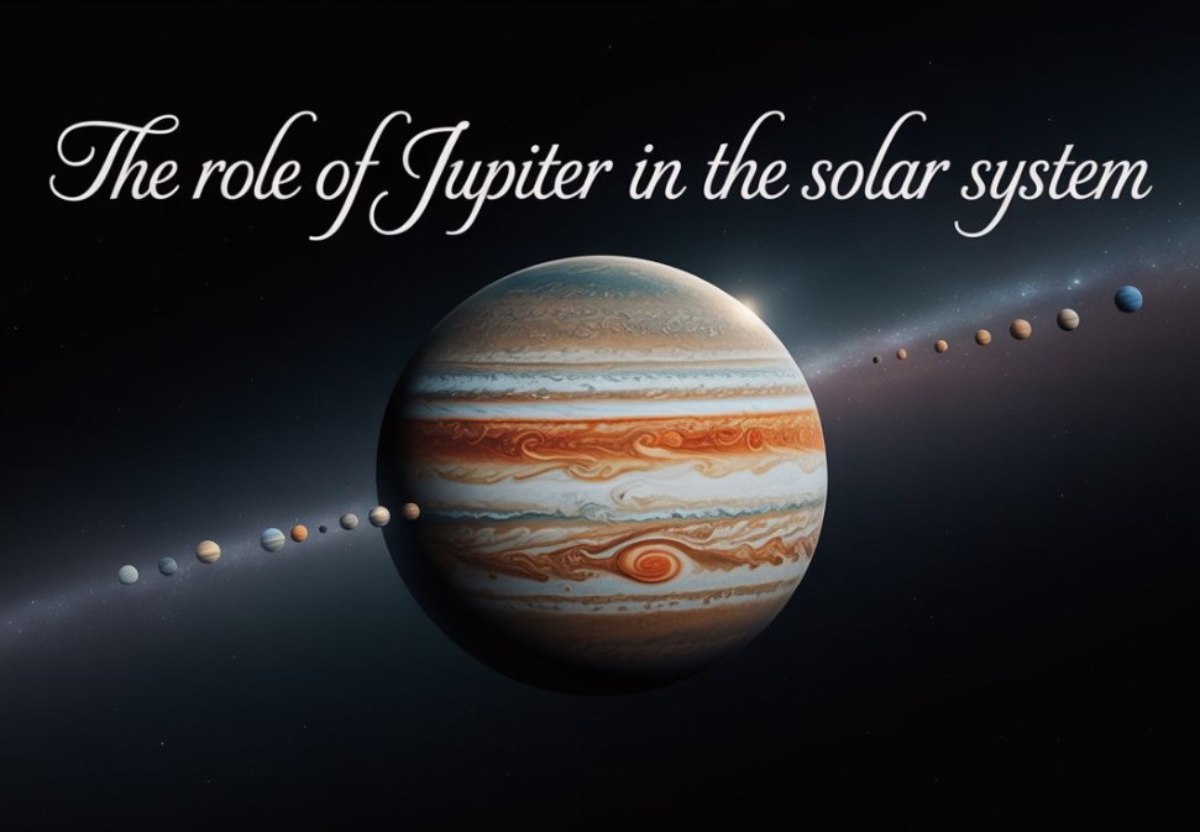
Jupiter’s enormous size makes it a crucial planetary guardian.
Key Roles
- Stabilises asteroid belt orbits
- Protects inner planets from comet impacts
- Influences planetary motion
- Generates powerful magnetic fields
Understanding How Many Earths Can Fit in Jupiter helps highlight why Jupiter is sometimes called the solar system’s protector.
Knowledge Corner – Geography Trivia and Fun Comparisons
Learning about planetary size often connects with other knowledge topics, such as Geography Trivia and global comparisons.
For example, comparing planet sizes helps people better understand scale in the real world, such as countries, continents, and cities.
Geography Trivia
Earth’s surface contains:
- 7 continents
- Over 195 countries
- Vast oceans covering 71% of the planet
Country of Residence and Planetary Perspective
From the perspective of any Country of Residence, including the United States or other nations, Jupiter remains a massive object visible in the night sky with a small telescope.
Fun Facts About Chicago
To connect astronomy with real-world knowledge, consider these Fun Facts About Chicago:
- Chicago is known as the “Windy City.”
- It sits on the coast of Lake Michigan.
- The Willis Tower was once the most elevated building in the world.
- The city has a population of nearly 3 million people.
While cities like Chicago may seem large from a human perspective, comparisons on planetary scales, like How Many Earths Can Fit in Jupiter, remind us just how vast the universe truly is.
Scientific Importance of Studying Jupiter
Understanding How Many Earths Can Fit in Jupiter helps scientists explore:
- Planet-building theories
- Gas giant atmospheres
- Exoplanet systems
- Gravitational interactions
NASA missions like Juno continue to study Jupiter’s atmosphere, magnetic field, and internal structure.
These discoveries improve our knowledge of how planetary systems evolve across the universe.
Conclusion
So, How Many Earths Can Fit in Jupiter? The answer is approximately 1,300 Earths. This incredible number highlights Jupiter’s enormous volume and dominance within our solar system. From its gigantic storms to its massive gravitational pull, Jupiter stands as the true giant among planets.
Exploring How Many Earths Can Fit in Jupiter not only deepens our understanding of planetary science but also reminds us of the incredible scale of the cosmos. When compared with Earth, countries, cities, and even Geography Trivia or Fun Facts About Chicago, Jupiter’s size becomes even more awe-inspiring.
As space exploration continues, Jupiter will remain one of the most important planets for unlocking the secrets of planetary formation and the structure of our universe. At Lite Facts, we explore fascinating discoveries like this to help readers better understand the wonders of space and science.
Frequently Asked Questions (FAQs)
How many Earths can fit in Jupiter?
Approximately 1,300 Earths could fit inside Jupiter if the gas giant were hollow, based on the comparison of planetary volumes.
Why is Jupiter so large?
Jupiter formed early in the solar system and gathered huge amounts of hydrogen and helium due to its strong gravity, making it far larger than Earth.
Can humans land on Jupiter?
No. Jupiter is a gas giant with no solid surface, and its atmosphere contains extreme pressure and temperatures.
Is Jupiter bigger than all other planets combined?
Yes. Jupiter’s mass is greater than the combined mass of all other planets in the solar system.
What makes Jupiter important for Earth?
Jupiter’s massive gravity helps protect Earth by deflecting or capturing asteroids and comets, acting as a cosmic shield.