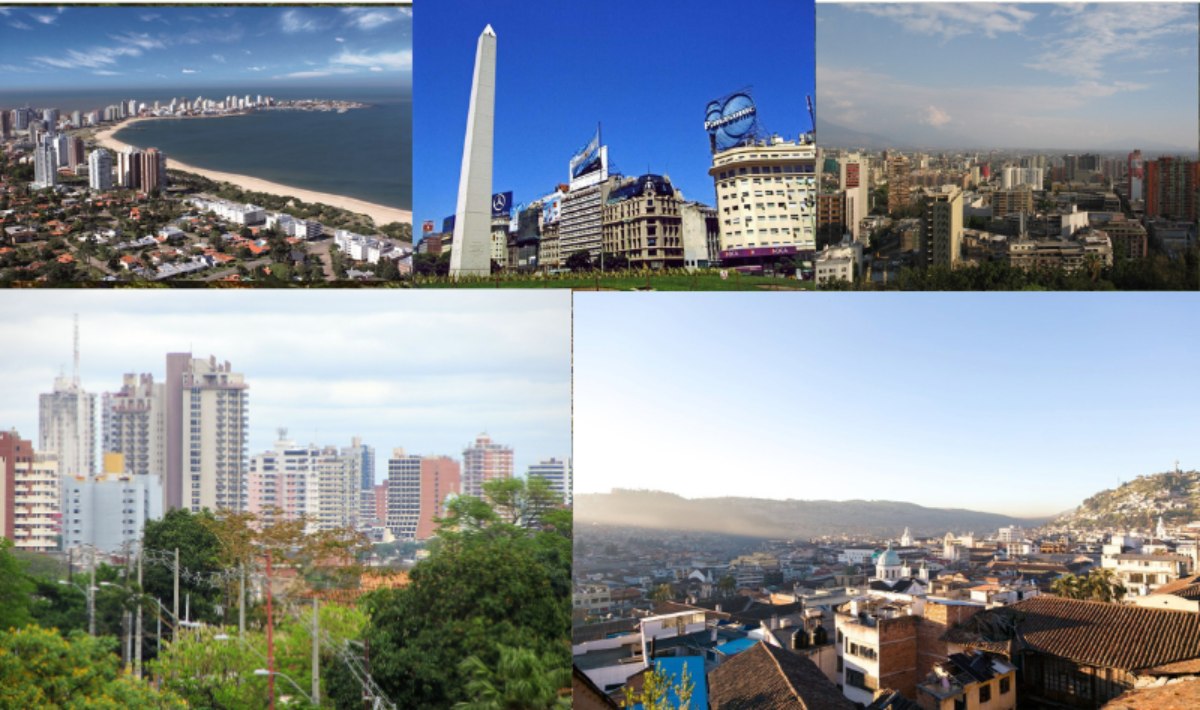
Here’s something most travel blogs won’t tell you: Argentina, Uruguay, Chile, and Paraguay all have lower crime rates than many popular US and European cities. In fact, the USA itself ranks 132nd on the Global Peace Index, well below the Southern Cone countries you’re about to read about.
South America has an unfair reputation, something even World Facts highlights in its comparison of perception vs. reality. Venezuela remains a Level 4 “Do Not Travel” destination. Colombia’s border regions require serious caution. But the same continent is home to stable democracies, low-crime beach towns, and world-class cities where millions of tourists travel every year without a single incident.
In 2026, South America was the only region in the World to record an overall improvement in peacefulness on the Global Peace Index, with 8 of 11 countries improving their scores. That’s remarkable, and it’s the kind of fact that should change how you plan your trip.
This guide gives you the real picture of the updated 2026 Global Peace Index rankings, current US State Department travel advisories, homicide rate comparisons, and practical city-level safety tips so you can travel South America confidently.
How We Rank Safety: Our 2026 Methodology
We use three verified data sources to rank each country:
1. Global Peace Index (GPI) 2025 Publicized by the Institute for Economics and Peace, this index measures 23 indicators, including homicide rates, political stability, militarisation, and internal conflict. It is the most widely cited global safety benchmark.
2. US State Department Travel Advisories (2026) Four levels from Level 1 (Exercise Normal Precautions) to Level 4 (Do Not Travel). Updated regularly based on real-time intelligence.
3. Numbeo Crime Index Crowd-sourced safety perception data from residents and travelers, offering ground-level insight beyond statistics.
We also incorporate homicide rates per 100,000 people (the clearest single indicator of violent crime), and expat community feedback.
Quick Comparison: Safest Countries in South America 2026
| Country | GPI Global Rank | US Advisory | Homicide Rate (per 100k) | Numbeo Crime Index |
|---|---|---|---|---|
| 🇦🇷 Argentina | 46th | Level 1 | 3.8 | Low |
| 🇺🇾 Uruguay | 48th | Level 2 | 5.1 | Moderate |
| 🇨🇱 Chile | ~60th | Level 2 | 5.5 | Low–Moderate |
| 🇵🇾 Paraguay | ~75th | Level 1 | 7.1 | Moderate |
| 🇵🇪 Peru | ~90th | Level 2 | 7.8 | Moderate |
The USA has a homicide rate of 6.3/100,000 and ranks 132nd on the Global Peace Index.
1. Argentina: Safest Country in South America in 2026

GPI Rank: 46th globally (up 5 places from 2025) US Travel Advisory: Level 1 Exercise Normal Precautions Homicide Rate: 3.8 per 100,000
Argentina jumped five places on the 2025 Global Peace Index to claim the top spot in South America, edging out long-time leader Uruguay, a shift that even Countries That Start With F comparisons often highlight when analyzing global rankings. Despite economic turbulence under Javier Milei’s administration, violent crime has not risen significantly, a surprising and encouraging outcome.
Why Argentina Is Safe:
- Homicide rate of 3.8 per 100,000 is among the lowest in the Americas
- Level 1 US travel advisory: the safest category, shared with Canada, Australia, and Ireland
- Strong rule of law, functioning judiciary, and well-established tourist infrastructure
- Buenos Aires is a cosmopolitan city with world-class healthcare
Where to Be Cautious:
- Rosario: The one city to avoid. It has become Argentina’s main drug gang hotspot and offers little for tourists anyway.
- La Boca neighborhood in Buenos Aires: Gorgeous to photograph, but known for muggings. Visit during the day only, and stay near the main tourist strip (El Caminito).
- Avoid displaying expensive jewelry, watches, or phones in crowded areas.
Best Safe Destinations in Argentina:
- Patagonia (Puerto Madryn, Bariloche, Ushuaia) has extremely low crime rates
- Wine country in Mendoza
- Buenos Aires neighborhoods: Palermo, Recoleta, San Telmo (daytime)
2. Uruguay: Most Stable Democracy in South America

GPI Rank: 48th globally US Travel Advisory: Level 2 Exercise Increased Caution, Homicide Rate: ~5.1 per 100,000
Uruguay ranks second on the Global Peace Index and has the lowest Numbeo Crime Index in South America. It is the region’s most stable democracy, with peaceful elections, strong institutions, robust LGBTQ+ protections, and consistent social welfare programs, often compared to benchmarks used in analyses of the Safest Countries in Africa.
The Level 2 advisory sounds concerning, but it largely reflects occasional petty theft in Montevideo and the resort town of Punta del Este, not violent crime.
Why Uruguay Is Safe:
- Consistently in the top half of all countries globally on the GPI
- Lowest crime perception index in South America (Numbeo)
- strict rule of law and nearly zero political violence
- Excellent public healthcare system
Best Safe Destinations in Uruguay:
- Montevideo: Safe, walkable capital. Stick to the Ciudad Vieja and Pocitos neighborhoods.
- Colonia del Sacramento: UNESCO heritage city, extremely safe, popular day trip from Buenos Aires
- Punta del Este: Beach resort town, generally safe during the day; standard nightlife caution applies
- Salto: Natural hot springs region, very low crime
Uruguay is widely considered the best first destination for solo female travelers in South America, thanks to its welcoming culture, walkable cities, and low violent crime rate.
3. Chile: Best Infrastructure, Safest in the South

GPI Rank: Approximately 60th globally US Travel Advisory: Level 2 Exercise Increased Caution. Homicide Rate: ~5.5 per 100,000
Chile is South America’s wealthiest country and has the continent’s best tourist infrastructure. Its healthcare system, road network, and emergency services are the strongest in the region, factors that matter significantly when something goes wrong abroad and are often discussed alongside geographic queries like Where Is Curaçao Located when travelers compare destinations.
The Level 2 advisory is primarily driven by increased petty crime and occasional protests in Santiago, rather than by systemic violence. Outside the capital, much of Chile is remarkably peaceful.
2026 Santiago Safety Update: The US State Department has flagged increased muggings, assaults, and carjackings in Santiago in 2026. Safe tourist areas include Providencia, Las Condes, Vitacura, Barrio Italia, and Bellavista. Avoid the area around Plaza de Armas and Central Market after mid-afternoon.
Why Chile Is Safe:
- Among the lowest homicide rates in South America
- Excellent private healthcare, especially in Santiago
- Strong tourism infrastructure with regulated tour operators
Best Safe Destinations in Chile:
- Torres del Paine National Park: One of the World’s great trekking destinations, extremely safe
- Valparaíso: Colorful hillside city; beautiful and largely safe in daytime tourist areas
- Atacama Desert: Remote, low-crime, bucket-list destination
- Easter Island (Rapa Nui): Extremely safe, small-island community feel
- Lake District (Osorno, Pucón): Very low crime, spectacular nature
4. Paraguay: South America’s Hidden Safe Haven

GPI Rank: ~75th globally US Travel Advisory: Level 1 Exercise Normal Precautions, Homicide Rate: ~7.1 per 100,000
Paraguay is one of the most overlooked countries in South America, and one of only two in the region (along with Argentina) to hold the US State Department’s safest Level 1 travel advisory as of 2026. It is seeing rapid growth as an expat destination, partly due to its 0% foreign income tax policy and relatively low living costs. This appeal often draws curiosity similar to niche global topics, such as the Smallest City in the World.
Why Paraguay Is Safe:
- Level 1 US advisory is the same rating as Japan and Canada
- Homicide rate comparable to many US cities
- Low tourist profile means less targeted petty crime
- Stable democratic government
Where to Be Cautious:
- Border regions, particularly the “Triple Frontier” area near Ciudad del Este (on the borders with Brazil and Argentina), are where smuggling networks operate. Stay in Asunción and the interior for worry-free travel.
Best Safe Destinations in Paraguay:
- Asunción: Compact, navigable capital city with growing expat infrastructure
- Encarnación: Beach-lined city with well-preserved Jesuit ruins
- Saltos del Monday waterfalls: Stunning natural attraction in a safe rural setting
5. Peru: Improving Safety, Iconic Destinations

GPI Rank: ~90th globally (improved significantly in 2025–2026) US Travel Advisory: Level 2 Exercise Increased Caution Homicide Rate: ~7.8 per 100,000
Peru showed one of the largest improvements on the Global Peace Index in South America from 2025 to 2026, with reductions in civil unrest helping the country climb in the rankings. The primary safety concerns are concentrated in remote highland regions and border areas, not in the major tourist destinations, making it increasingly attractive for travelers evaluating their Country of Residence or long-term stay options.
Why Peru Is Worth Visiting Safely:
- Machu Picchu, the Sacred Valley, and Cusco are heavily policed tourist zones
- Lima’s Miraflores and Barranco neighborhoods are safe and internationally accessible
- Tourism infrastructure has improved substantially, with registered tour operators and safety-monitored trekking routes
Where to Be Cautious:
- Avoid remote border regions with Colombia, Brazil, and Bolivia, where drug trafficking routes exist.
- Exercise caution in Lima’s Centro Histórico at night.
- Be alert to drink spiking (“Devil’s Breath”/scopolamine) in nightlife areas, a concern across multiple South American cities.
Countries to Avoid or Approach With Serious Caution
Venezuela: Level 4: Do Not Travel
Venezuela remains a Level 4 “Do Not Travel” destination as of April 2026, classified due to serious risks including wrongful detentions, terrorism, kidnapping, civil unrest, and inadequate healthcare infrastructure. It is the only South American country with this designation.
Colombia: Level 3: Reconsider Travel
Colombia holds a Level 3 advisory overall, but this is largely due to specific high-risk border zones and rural drug trafficking areas. Major tourist cities, including Bogotá, Medellín, and Cartagena, are generally manageable for travelers who stay in well-trafficked areas, use ride-hailing apps, and avoid nightlife excess. Medellín in particular has transformed dramatically and is one of South America’s most popular destinations for digital nomads.
Ecuador: Split Safety Picture
Ecuador presents a divided picture in 2026. The Galapagos Islands and highland cities like Cuenca are considered very safe and are excellent choices for travelers. However, Guayaquil and some coastal areas have experienced significant increases in gang-related violence, with cartel activity spilling over from neighboring Colombia. Quito’s old town is generally safe during the daytime but requires caution after dark.
South America vs. the US: Who’s Really Safer?
This comparison surprises most travelers.
| Country | Homicide Rate per 100k | GPI Global Rank |
|---|---|---|
| Argentina | 3.8 | 46 |
| Uruguay | 5.1 | 48 |
| Chile | 5.5 | ~60 |
| United States | 6.3 | 132 |
| Paraguay | 7.1 | ~75 |
Argentina, Uruguay, and Chile all have lower homicide rates than the United States. When your baseline comparison is “safer than home,” these countries easily qualify.
Solo Female Travel Safety in South America 2026
Solo female travel in South America is absolutely possible, and millions of women do it every year without incident. The key is choosing the right countries and understanding neighborhood-level safety.
Best Countries for Solo Female Travelers:
- Uruguay: Ranked highest. Small country, walkable cities, low violent crime, culturally progressive
- Chile: Strong institutions, excellent tourist infrastructure, most cities are very safe in daylight
- Argentina: Large backpacker scene, well-established tourist infrastructure, safety-in-numbers in popular destinations
Universal Safety Tips for Solo Female Travelers:
- Download Uber, InDriver, or Cabify before arrival, never hail taxis from the street
- Transfer your itinerary with a trusted contact and use Life360 for real-time location sharing
- Book accommodation with verified reviews mentioning security features
- Avoid walking alone after dark in any urban area
- Enroll in the US STEP program for real-time embassy alerts if you’re an American citizen
Digital Safety & Tech Tools for 2026 Travelers
Modern travel safety is as much about digital preparedness as it is about physical awareness.
Essential Tech for Safe South America Travel:
eSIM Cards: eSIM plans for South America start from approximately $3 in 2026. No physical SIM swap needed. Reliable mobile data is essential for maps, ride-hailing apps, and emergency contacts. Available for Argentina, Uruguay, Chile, Colombia, Peru, and Ecuador.
Smart Traveler Enrollment Program (STEP): Free US government service. Document your trip with the nearest US Embassy to receive real-time security updates via WhatsApp or email. Makes it easier for the embassy to reach you in emergencies, natural disasters, or civil unrest.
Google Maps Offline: Download offline maps for your destination region before arrival. Works without the internet in emergencies.
Ride-Hailing Apps: Uber, Cabify, and InDriver operate across major South American cities. Always use app-based rides over street taxis for verifiable safety.
Climate & Environmental Safety in South America
The 2026 global safety indexes now incorporate climate risk as a significant factor (10% weighting in the HelloSafe Travel Safety Index). Here’s what travelers need to know:
- Uruguay: Mild climate, very low natural disaster risk, one of the safest from an environmental perspective
- Chile: Seismically active (earthquakes along the Pacific coast); wildfire risk in southern regions during summer (December–February); excellent emergency response infrastructure
- Argentina: Flooding risk in Buenos Aires and the Pampas during heavy rain; wildfire risk in peripheral Patagonian zones in summer
- Peru: Rainy season (November–April) affects Machu Picchu access; occasional earthquakes and highland altitude sickness are the primary concerns
Final Verdict
In conclusion, the **Safest Countries in South America in 2026, led by Argentina, Uruguay, Chile, Paraguay, and Peru, prove that the continent is far safer and more travel-friendly than outdated stereotypes suggest. Backed by data from the Global Peace Index, US travel advisories, and real-world crime statistics, these destinations offer a strong balance of safety, infrastructure, and unforgettable experiences.
Whether you’re a solo traveler, digital nomad, family vacationer, or adventure seeker, choosing the right country, city, or neighborhood makes all the difference. With proper planning, digital preparedness, and awareness of local dynamics, South America can be explored confidently and safely in 2026.
For travelers willing to look beyond the headlines, this diverse continent delivers not only incredible value and culture but also a level of security that rivals many parts of the world. Insights you can explore further on Litefacts.
Frequently Asked Questions(FAQs)
What is the safest country in South America in 2026?
Argentina is the safest country in South America in 2026, ranked 46th globally on the Global Peace Index, with a homicide rate of 3.8 per 100,000, lower than the United States’. Uruguay ranks second (48th globally), followed by Chile and Paraguay.
Which South American countries have a US Level 1 travel advisory in 2026?
Argentina and Paraguay hold US State Department Level 1 advisories (“Exercise Normal Precautions”), the lowest risk category as of 2026. Chile and Uruguay hold Level 2 advisories.
Is South America safe to travel alone?
Yes, with the right country choices. Uruguay, Chile, and Argentina are all considered safe for solo travelers, with safety profiles comparable to many European and North American destinations. Avoid Venezuela (Level 4) and be very selective in Colombia and Ecuador.
Is Colombia safe for tourists in 2026?
Colombia has a Level 3 advisory overall, but major tourist areas, including Bogotá, Medellín, Cartagena, and the Coffee Region, are generally safe when you use ride-hailing apps, avoid flashing valuables, and skip high-risk nightlife. Medellín, in particular, has transformed dramatically in terms of safety over the past decade.
What are the safest cities in South America?
Montevideo (Uruguay), Buenos Aires’ Palermo and Recoleta neighborhoods (Argentina), Santiago’s Providencia and Las Condes (Chile), and Asunción (Paraguay) are consistently cited as the continent’s safest urban areas.
Is Peru safe to visit in 2026?
Peru is generally safe in its main tourist destinations. Machu Picchu, Cusco, the Sacred Valley, and Lima’s Miraflores district are heavily policed and attract millions of visitors. Avoid remote border regions and exercise standard urban precautions.
What countries in South America should I avoid?
Venezuela is the only Level 4 “Do Not Travel” country in South America. Colombia’s border regions, Guayaquil in Ecuador, and remote Bolivian border areas warrant serious caution.
Is Uruguay safer than Chile?
On the Global Peace Index, Uruguay (48th) and Chile (~60th) are both very safe. Uruguay has the lowest Numbeo Crime Index. Chile has better tourist infrastructure and healthcare. Both are excellent choices; the right pick depends on your itinerary.