Christmas Fun Facts You Never Knew (Kids And Adults)

Random & Fun Facts
Christmas Fun Facts

Christmas fun facts range from surprising historical origins (like Coca-Cola popularizing Santa’s red suit) to quirky modern records (the world’s tallest Christmas tree stood over 220 feet) to how differently the holiday is celebrated across cultures, from Japan’s KFC dinner tradition to Australia’s beachside barbecues in summer heat.

Christmas is one of the most celebrated holidays on Earth, yet most people know only a handful of the same recycled trivia: Rudolph, mistletoe, and candy canes. The real story is stranger and richer: Christmas trees were once banned by law in parts of America, “Silent Night” was written because a church organ broke, and over 2 billion Christmas cards are sent worldwide every year.

Whether you’re looking for kid-friendly trivia to share at school, sharper facts to drop at an adult dinner party, or a tour through how Christmas looks in Germany, Mexico, Japan, or South Africa, this guide pulls together the most surprising, well-documented facts about the holiday, organized so you can jump straight to what you’re curious about.

Christmas Fun Facts List

Christmas carries far more strange history and trivia than most people realize, from banned traditions to record-breaking decorations to songs written by accident. Below is a curated collection of the most surprising, verified facts about the holiday, split into quick categories so you can scan for exactly what interests you.

Weird and Surprising Christmas Facts

Some of the most well-known Christmas traditions started in ways that have nothing to do with how they’re used today. Christmas trees, for instance, were once illegal in parts of Puritan New England, where, in 17th-century Massachusetts, celebrating Christmas with decorations was banned as a rejection of what was seen as an overly festive, non-religious custom.

Candy canes are widely believed to have originated as a straight white sugar stick handed out by a choirmaster to keep children quiet during long church services, with the curved shape and stripes added later. And while many people assume mistletoe kissing is a purely romantic tradition, it actually traces back to ancient Norse and Celtic customs where the plant symbolized peace, fertility, and protection against evil spirits a far cry from its modern doorway-kiss reputation.

Christmas Facts History Buffs Will Love

The modern image of Christmas is newer than most people think. The holiday wasn’t even a federal holiday in the United States until 1870, nearly a century after the country’s founding. Christmas cards, now a global tradition sending an estimated 2 billion pieces of mail each year, were first commercially printed in London in 1843 by Sir Henry Cole, who was too busy to write personal holiday letters to everyone he knew.

“Silent Night,” one of the most recorded songs in history, was reportedly composed in 1818 after a church organ in Austria broke down right before Christmas Eve services, forcing the priest and organist to write something simple enough to perform on guitar. Even Santa Claus’s now-iconic look has a layered history: the modern jolly, red-suited version was shaped largely by 19th-century illustrators and later cemented in pop culture by mid-20th-century advertising campaigns. However, the red-and-white color scheme appeared in depictions of Santa well before that.

Quick Fire Fun Facts

For a fast scan of standout trivia, here are some of the most shareable Christmas facts in one place:

  1. Christmas trees were once banned in parts of colonial America for being “too festive” and non-religious.
  2. Candy canes are believed to have started as plain white sugar sticks, with stripes added later.
  3. Mistletoe’s romantic association comes from ancient Norse and Celtic symbolism, not modern tradition.
  4. The U.S. didn’t recognize Christmas as a federal holiday until 1870.
  5. An estimated 2 billion Christmas cards are sent worldwide each year.
  6. “Silent Night” was written in a hurry after a church organ broke down on Christmas Eve.
  7. Santa’s classic red-and-white look predates modern advertising, though it was heavily popularized by it.

Fun Christmas Facts for Kids

Kids love Christmas fun facts that are easy to picture and fun to repeat, like the fact that Rudolph wasn’t part of the original eight reindeer and was actually invented decades later in a store’s holiday coloring book. This section pulls together simple, classroom-friendly Christmas fun facts and Santa-and-reindeer trivia that are perfect for young readers, teachers, and holiday activities.

Fun Christmas Facts for Kids

Easy Christmas Trivia for Classrooms

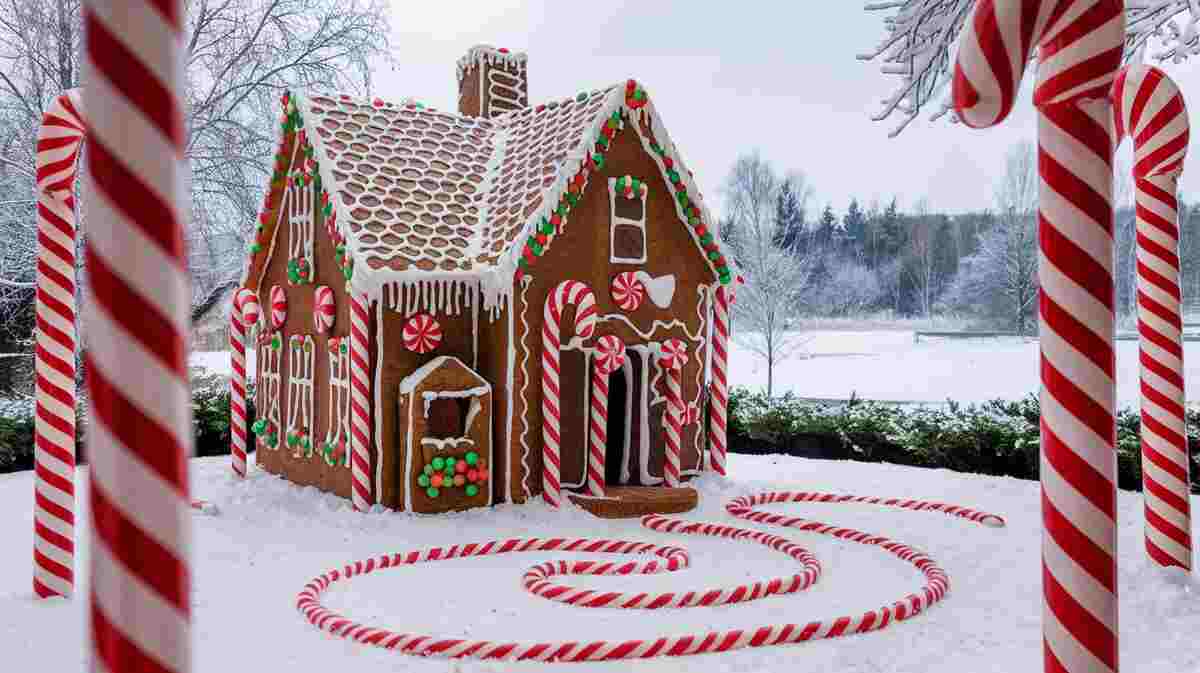
Christmas trivia works best for kids when it’s short, visual, and a little surprising. Turkeys aren’t the only bird associated with the holiday in parts of the world; roast goose was the traditional Christmas meal long before turkey became popular in the 20th century. Gingerbread houses trace back to Germany, inspired partly by the fairy tale “Hansel and Gretel,” and became a Christmas tradition in the 1800s. One especially fun classroom fact: the world’s tallest artificial Christmas tree on record stood over 200 feet tall, taller than a 20-story building, and was built in Mexico City.

For kids who love trees and nature in general, it’s worth pairing this trivia with a look at Tunnel of Trees, a real-life scenic tree tunnel that shows just how dramatic trees can look outside of the holiday season, too. Wrapping paper is a relatively modern invention; before the early 1900s, gifts were commonly wrapped in plain tissue paper or cloth. In 1917, a Kansas City stationery shop accidentally popularized decorative wrapping paper after running out of tissue paper and substituting fancy French paper instead.

Santa and Reindeer Fun Facts

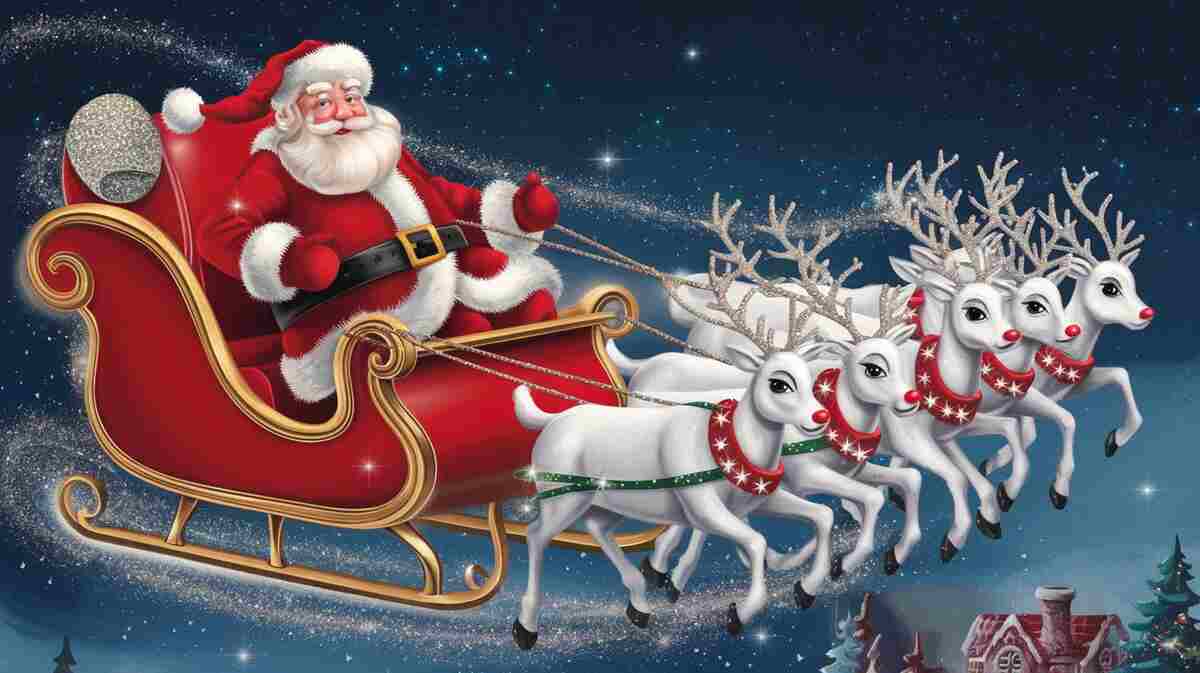
Santa Claus and his reindeer have a history that’s more inventive than most kids realize. Rudolph, the most famous reindeer of all, wasn’t part of Santa’s original team; he was created in 1939 for a Montgomery Ward department store coloring book, nearly 120 years after the other eight reindeer’s names were first published in the 1823 poem “A Visit from St. Nicholas.” That poem is also where much of the modern Santa image comes from, including the idea of Santa entering homes through the chimney and traveling by flying sleigh.

Real reindeer, interestingly, are the only deer species in which females commonly grow antlers, meaning many of Santa’s sleigh team pulling presents on Christmas Eve could technically be female. Kids also love learning that Santa is known by different names around the world: Père Noël in France, Sinterklaas in the Netherlands, and Ded Moroz (“Grandfather Frost”) in Russia, each with slightly different traditions but the same basic gift-giving spirit.

Fun Christmas Facts for Adults

Adults tend to appreciate Christmas trivia with a bit more depth or an unexpected twist, like the fact that the Coca-Cola Company didn’t invent Santa’s red suit, despite popular belief, but did help cement his modern image through decades of advertising starting in the 1930s. This section covers dinner-party-ready trivia and lesser-known facts that go beyond the usual holiday small talk.

Fun Christmas Facts for Adults

Dinner Party Christmas Trivia

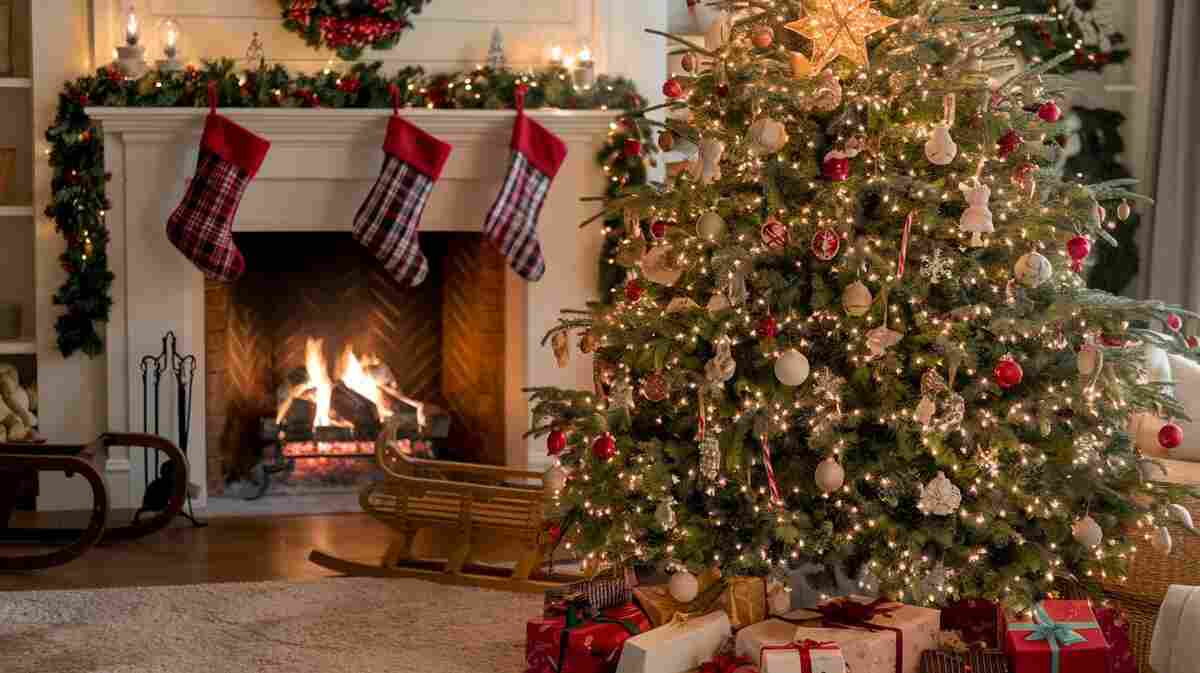
Good dinner-party trivia works because it’s surprising enough to spark conversation without needing a long explanation. Few people know that the tradition of hanging stockings by the fireplace comes from a legend about St. Nicholas secretly dropping gold coins down a chimney, which landed in stockings left out to dry. Eggnog’s origins trace back to a medieval British drink called “posset,” a hot, milky ale-based beverage, and the modern version became associated with the American colonies partly because rum and whiskey were cheaper and more available there than in Britain.

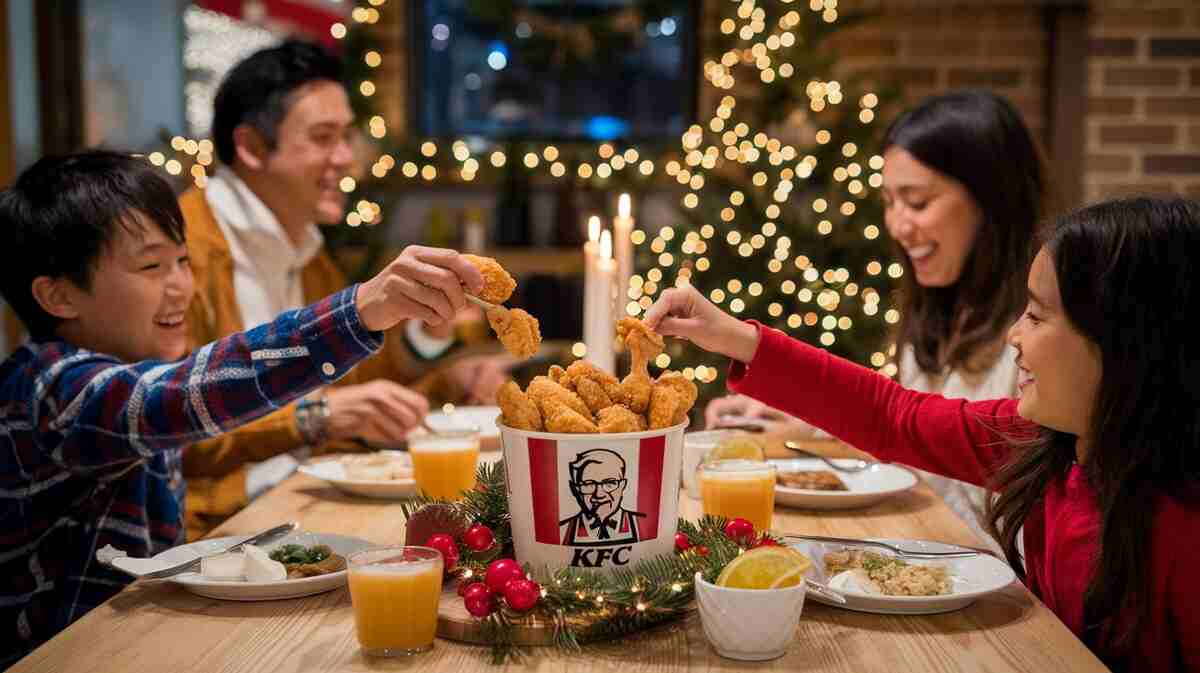
Another sharp one for a dinner table: Japan doesn’t traditionally celebrate Christmas as a religious or family holiday at all, yet KFC has become such a fixture of Japanese Christmas dinners that customers often place orders weeks in advance, with the company reporting Christmas as one of its busiest days of the year in Japan. And despite popular belief, “Auld Lang Syne” and “Jingle Bells” weren’t written as Christmas songs at all “Jingle Bells” was originally composed for Thanksgiving.

Surprising Christmas Facts Even Adults Don’t Know

Some Christmas facts hold up as genuinely surprising even to people who think they’ve heard it all. The Coca-Cola Company is often credited with inventing Santa’s red-and-white suit. Still, Santa was commonly depicted in red well before Coca-Cola’s famous 1930s ad campaigns; the company simply reinforced and popularized an image that already existed. Christmas Island, despite its name, has no major connection to Christmas beyond being named by a British sea captain who spotted it on Christmas Day in 1643.

In Catalonia, Spain, one unusual tradition involves a log character called “Caga Tió,” which children “feed” in the days leading up to Christmas and then hit with sticks so it “poops” out small gifts and treats. And on a more measurable note, global retail spending during the Christmas season regularly exceeds $1 trillion in the United States alone, making it by far the most economically significant holiday of the year.

Christmas Around the World: Fun Facts by Country

Christmas traditions vary dramatically depending on where you are in the world, from Japan’s KFC dinners to Australia’s beachside barbecues in the middle of summer. This section breaks down how different countries and regions celebrate the holiday, highlighting the customs, foods, and folklore that make each version of Christmas distinct.

Christmas in Italy, Germany, France, Spain, Ireland, England (Europe)

European countries hold many of the roots of modern Christmas tradition, though each nation has its own distinct customs. In Italy, Christmas Eve dinner traditionally avoids meat entirely, centering instead on “La Vigilia,” a multi-course seafood feast that can include as many as seven different fish dishes. Germany is widely credited as the birthplace of the modern Christmas tree tradition, along with Christmas markets, or “Christkindlmärkte,” which have existed in cities like Dresden since the 1400s. In France, children leave shoes by the fireplace instead of hanging stockings, waiting for Père Noël to fill them with small gifts and sweets.

Spain’s Catalonia region has its unique “Caga Tió” log tradition. At the same time, the rest of the country celebrates with a massive national lottery called “El Gordo,” drawn every December 22 and considered part of the holiday season itself. Ireland maintains an old custom of leaving a lit candle in the window on Christmas Eve, originally meant to welcome Mary and Joseph or, during religious persecution, to signal a safe house for priests. In England, the Christmas cracker, a paper tube that pops open to reveal a small toy, joke, and paper crown, has been a dinner-table staple since a London sweet-maker invented it in 1847.

Christmas in Japan, China, and Russia (Asia)

Christmas is celebrated very differently across Asia, where it’s often treated as a cultural or commercial event rather than a religious one. Japan doesn’t recognize Christmas as a public holiday. Still, it has developed its own unmistakable tradition: eating KFC on Christmas Day, a custom that started with a 1974 marketing campaign and has since become so popular that customers place orders for their “Christmas chicken” weeks in advance. To dig deeper into the culture behind this custom, check out these facts about Japan.

In China, where Christmas isn’t a traditional holiday either, it has become popular mainly in larger cities as a commercial and social occasion, with a notable local custom of gifting apples on Christmas Eve, largely because the Mandarin Word for Christmas Eve sounds similar to “apple.” Russia celebrates Christmas on January 7 rather than December 25, following the Julian calendar used by the Russian Orthodox Church, and the gift-giving figure is traditionally “Ded Moroz,” or “Grandfather Frost,” who is accompanied by his granddaughter Snegurochka, the “Snow Maiden.”

Christmas in Australia (Southern Hemisphere / Summer Christmas)

Christmas in Australia falls in the middle of summer, which completely reshapes how the holiday is celebrated compared to colder climates. Instead of snow and fireplaces, many Australians spend Christmas Day at the beach, and backyard barbecues featuring seafood like prawns and lobster are just as common as a traditional roast dinner. Even so, some imported traditions persist in modified form. Christmas cards in Australia often still feature snowy scenes and robins, despite the actual weather being hot enough for swimming. Carols by Candlelight, an outdoor evening event featuring live Christmas music, has been a major Australian tradition since the 1930s and now draws large public crowds in cities across the country.

Christmas in Mexico, Brazil, Argentina (Latin America)

Latin American Christmas traditions often blend Catholic religious observance with vibrant public celebration. In Mexico, the holiday season centers on “Las Posadas,” a nine-night series of processions reenacting Mary and Joseph’s search for shelter, running from December 16 through Christmas Eve. Brazil’s Christmas celebrations often extend into the beach season as well, given its Southern Hemisphere summer timing, with fireworks and festive dinners common on Christmas Eve, known as “Noite Feliz.”

Argentina shares similar summer-Christmas timing, and one distinctive local custom is releasing paper hot-air lanterns, called “globos,” into the night sky on Christmas Eve. However, the practice has become more restricted in recent years due to fire risk. If a Christmas trip to this part of the world is on your radar, it’s worth reading up on the safest countries in South America before you go.

Christmas in Canada, South Africa, Sweden, Finland, Iceland, the Netherlands, and Greece

This group of countries shows just how differently climate and culture can shape the same holiday. Canada shares many traditions with the United States. Still, it has its own regional customs, including the Quebec tradition of “réveillon,” a late-night Christmas Eve feast that can run well past midnight. South Africa celebrates Christmas during summer, much like Australia, and it’s common to see families enjoying “braais,” or outdoor barbecues, as part of the day’s festivities. If you’re planning a summer Christmas trip there, these  safest countries in Africa to review first. Sweden observes December 13 as St. Lucia Day, a separate but closely linked winter celebration involving candlelit processions that lead into the broader Christmas season.

Finland is often cited as the “official” home of Santa Claus, with the town of Rovaniemi, located on the Arctic Circle, operating a year-round Santa Claus Village that draws international visitors. Iceland has one of the most unusual traditions in the world: the “Yule Lads,” thirteen mischievous figures of folklore who each visit children on a different night leading up to Christmas, leaving either small gifts or, for badly behaved children, a rotten potato.

The Netherlands celebrates its main gift-giving holiday on December 5, known as Sinterklaas, which is technically separate from Christmas Day itself. And in Greece, a tradition involving “kallikantzaroi,” mischievous goblin-like creatures said to emerge during the twelve days between Christmas and Epiphany, has been part of local folklore for centuries.

Fun Facts About the Christmas Tree

The Christmas tree tradition traces back to 16th-century Germany, where devout Christians brought decorated trees into their homes, and it didn’t become widely popular in Britain and America until Queen Victoria’s family was famously illustrated with one in 1848. From its religious origins to modern record-breaking displays, the Christmas tree has a history far more layered than most people realize.

Fun Facts About the Christmas Tree

History of the Christmas Tree

The Christmas tree as we know it today began in Germany, where 16th-century Christians are credited with bringing evergreen trees indoors and decorating them, sometimes with candles to represent the stars over Bethlehem. Martin Luther, the Protestant reformer, is often associated with popularizing candlelit trees, according to a widely repeated legend that he was inspired by the sight of stars shining through evergreen branches on a winter walk.

The tradition remained largely confined to German-speaking regions for centuries until it crossed into Britain in the 1840s, when an illustration of Queen Victoria, Prince Albert, and their children gathered around a decorated tree was published and quickly copied across upper-class British and American households. Interestingly, Christmas trees were treated with suspicion in early America. Puritan settlers in 17th-century New England viewed the custom as a pagan, non-religious indulgence, and decorating for Christmas was actually discouraged or banned in parts of Massachusetts. It wasn’t until the mid-to-late 1800s that Christmas trees became a mainstream American tradition, helped along by growing German immigrant communities and the same Victorian-era imagery that swept through Britain.

Christmas Tree Records and Traditions

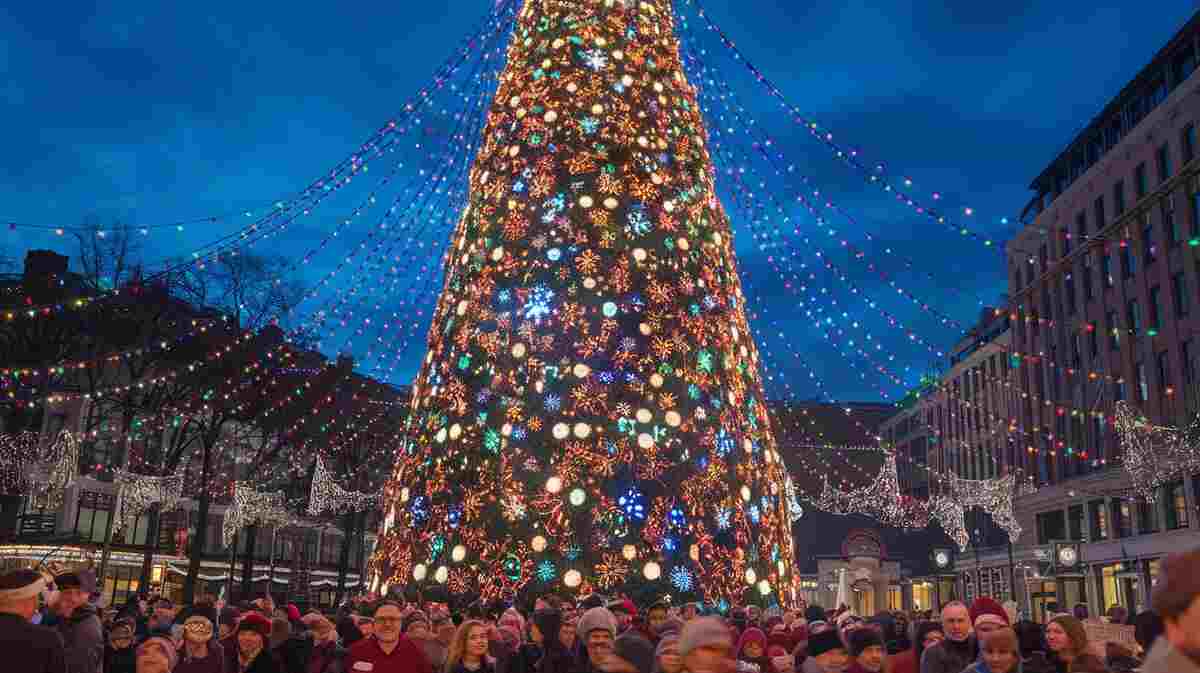
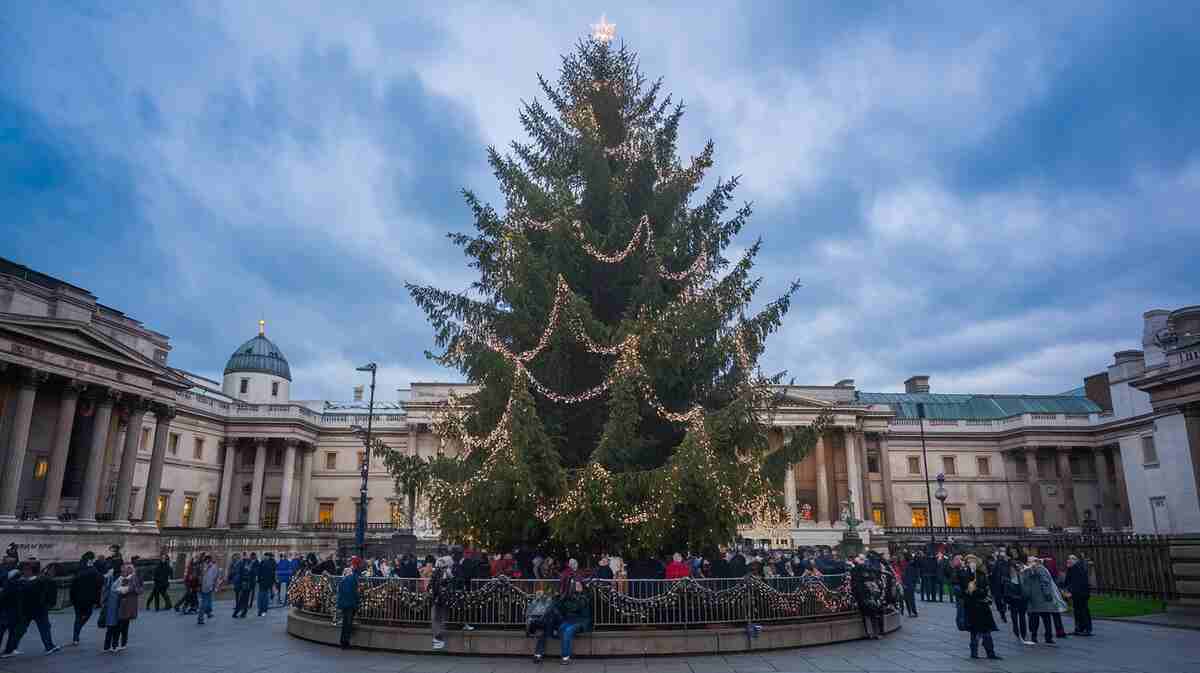
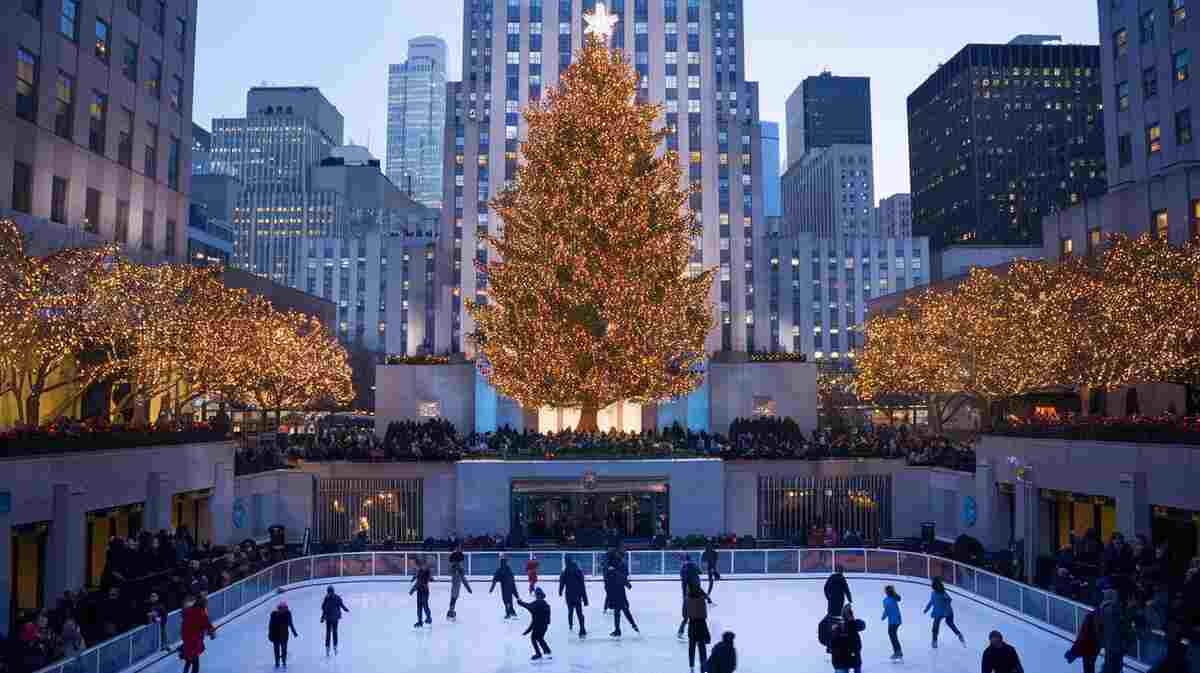
Christmas trees have inspired some remarkable records and traditions well beyond the average living room display. The tallest cut Christmas tree ever displayed is widely cited as a nearly 222-foot Douglas fir, set up in Seattle in 1950, a size that would tower over a 20-story building. Rockefeller Center in New York has displayed a Christmas tree annually since 1933, and the tradition started informally when construction workers at the site set up and decorated a small tree during the Great Depression. The world’s largest artificial Christmas tree, meanwhile, was built in Mexico City and topped 200 feet, dwarfing most real trees ever recorded.

Tree-lovers who enjoy this kind of trivia might also appreciate Tunnel of Trees, a stunning natural stretch of road canopied entirely by trees. Tinsel, one of the most recognizable tree decorations, was originally made from real shredded silver in 17th-century Germany before shifting to cheaper synthetic materials in the 20th century. And the practice of choosing a “Christmas tree color scheme” is a relatively modern habit; historically, trees were decorated primarily with candles, fruit, and homemade ornaments rather than the mass-produced lights and matched color themes common today.

Fun Facts About Christmas Music And Songs

Christmas music has a history full of accidents and surprises, including the fact that “Jingle Bells,” one of the most recognizable holiday songs in the world, wasn’t originally written for Christmas at all. From carols composed under pressure to modern songs that break streaming records every winter, Christmas music has some genuinely unexpected stories behind it.

How Famous Carols Were Written

Many beloved Christmas carols were written under circumstances far less polished than their finished sound suggests. “Silent Night” is one of the most famous examples: it was reportedly composed in 1818 after a church organ in a small Austrian town broke down right before Christmas Eve mass, forcing the priest and organist to write something simple enough to be performed on guitar instead. “Jingle Bells,” despite being one of the most iconic Christmas songs today, was actually written in 1857 for a Thanksgiving program and only became associated with Christmas later, as its sleigh-riding lyrics fit the winter season more broadly.

“O Holy Night” has its own unusual history: the song was reportedly banned for a time by the Catholic Church in France because of the writer’s political views, yet it went on to become one of the most performed carols in the world. Even “The Twelve Days of Christmas,” often treated as a simple counting song for children, is believed by some historians to have originally served as a memory game rather than a literal gift list. However, this theory remains debated among music historians.

Christmas Song Records

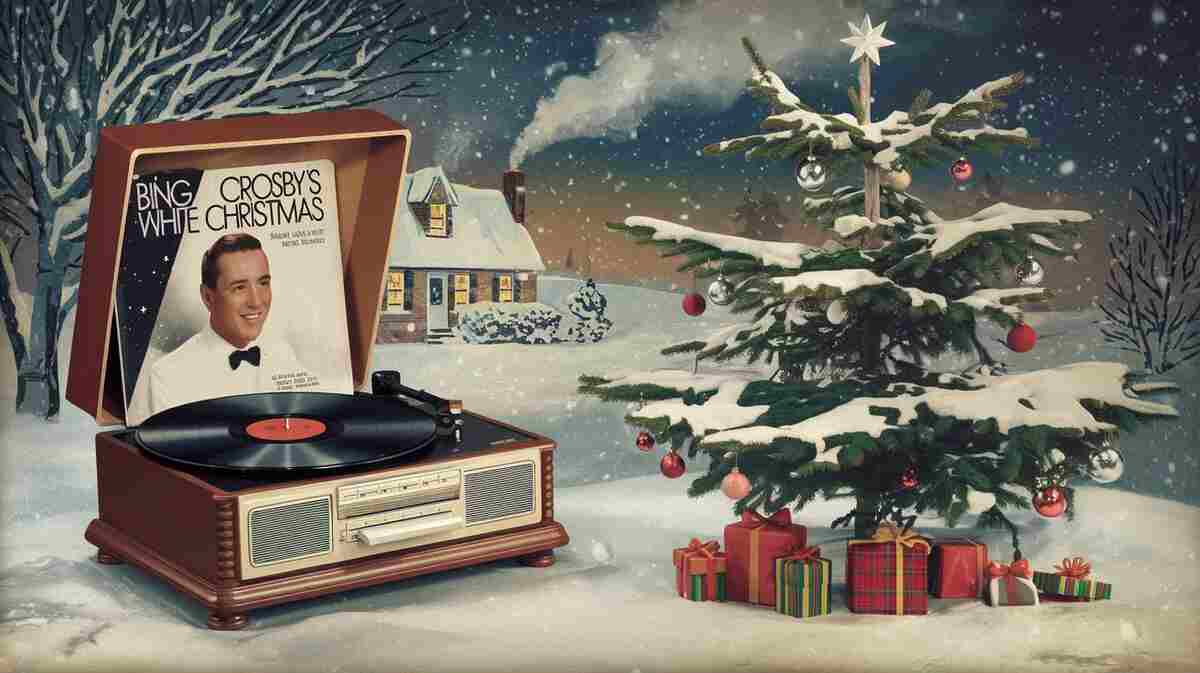
Modern Christmas music has produced some remarkable, measurable records that highlight just how enduring the genre is. Mariah Carey’s “All I Want for Christmas Is You,” released in 1994, has become one of the best-selling holiday singles of all time and regularly returns to the top of music charts every December, decades after its original release. Bing Crosby’s “White Christmas” remains the best-selling single of all time across any genre, with estimated sales exceeding 50 million copies worldwide since its 1942 release.

Streaming platforms report a similar pattern each year: Christmas songs collectively see massive spikes in listening beginning in early-to-mid November, with holiday music streams often multiplying several times over compared to the rest of the year. This recurring surge has made Christmas music one of the most reliably profitable genres in the entire music industry, generating significant royalty income for a small number of decades-old songs every single holiday season.

Christmas Eve And Holiday Season Fun Facts

Christmas Eve carries its own distinct set of traditions separate from Christmas Day itself, including the fact that in several European countries, Christmas Eve, not December 25, is actually the biggest celebration of the entire season. This section looks at where Christmas Eve customs came from and why the night before Christmas holds such cultural weight around the world.

Christmas Eve Traditions Explained

In much of Northern and Central Europe, Christmas Eve is the primary event, with countries like Germany, Sweden, Poland, and the Czech Republic treating December 24 as the main day for gift-giving, family dinners, and church services, while December 25 is reserved for quieter rest. This contrasts with the American and British tradition, where Christmas Eve is typically treated as a buildup, hanging stockings, reading “‘Twas the Night Before Christmas,” and going to bed early for Santa’s visit, while the 25th remains the main event.

The custom of Midnight Mass, still widely practiced across Catholic and Orthodox communities, dates back centuries and stems from the belief that Christ was born at midnight, making a late-night service the most symbolically appropriate way to mark the occasion. Christmas Eve also has a surprisingly strong connection to ghost stories, particularly in Victorian England, where telling supernatural tales on Christmas Eve was such a common practice that Charles Dickens built an entire literary tradition around it “A Christmas Carol,” published in 1843, was itself framed as a ghost story meant to be told on this exact night.

Even grocery and retail patterns reflect Christmas Eve’s cultural weight: it remains one of the busiest shopping days of the year in the United States, as last-minute shoppers rush to finish gift shopping and grocery runs before stores close early for the holiday.

Conclusion

Christmas is far richer in history and cultural variety than the handful of familiar facts most people already know, from a broken church organ inspiring “Silent Night” to Japan’s now-iconic tradition of ordering KFC for Christmas dinner. Across history, geography, and even the music playing in the background, the holiday reveals itself as a patchwork of borrowed customs, regional reinvention, and a few happy accidents that became permanent traditions.

Whether you picked up a fact for a classroom lesson, a dinner-party conversation starter, or simply out of curiosity about how Christmas looks in another part of the world, the holiday’s real story is more interesting than the postcard version most of us grew up with. With over $1 trillion spent during the Christmas season in the U.S. alone, it’s clear this holiday’s influence goes far beyond the tree in the living room, and its history is just as far-reaching.

Frequently Asked Questions(FAQs)

What is a fun fact about Christmas?

One widely shared fun fact is that “Jingle Bells” was originally written in 1857 for a Thanksgiving program, not Christmas. It only became associated with the winter holiday later because of its sleigh-riding lyrics. Another favorite: Christmas trees were once banned by law in parts of colonial Massachusetts.

What are some fun facts about Christmas around the world?

Christmas traditions vary widely by country. Japan celebrates with KFC dinners, while Australia marks the holiday with beach barbecues in summer heat. In the Netherlands, the main gift-giving day is actually December 5, separate from Christmas Day itself. Each region blends its own history and climate into the celebration.

What is a surprising Christmas fact adults usually don’t know?

Coca-Cola didn’t invent Santa’s red suit, though the brand’s 1930s ad campaigns helped popularize the image people recognize today. Santa was already commonly depicted in red before Coca-Cola’s ads existed. Another surprising one: Christmas Eve, not December 25, is the main celebration in several European countries.

What is a fun Christmas fact for kids?

Rudolph wasn’t part of Santa’s original reindeer lineup; he was created in 1939 for a department store’s coloring book. The other eight reindeer’s names came from an 1823 poem nearly 120 years earlier. Kids also enjoy learning that real reindeer, including females, can grow antlers.

How many Christmas cards are sent worldwide each year?

An estimated 2 billion Christmas cards are sent around the world annually, a tradition that started with a single commercially printed card in London in 1843. The custom spread quickly once affordable printing made cards accessible to everyday households. It remains one of the most enduring physical traditions of the holiday season.

Next Post
Facts About Water | Fun, Weird And Scientific Truths 
Previous Post
Interesting Earth Facts | Surprising Truths About Our Planet

About The Author

More Similar Posts

Most Viewed Posts