When we think of cities, we often imagine towering skyscrapers, endless traffic, and millions of people moving at a fast pace. However, not every city fits this image. Some of the most fascinating destinations on Earth are incredibly small yet rich in history, culture, and identity. These places redefine what it means to be a city and offer unique insights into World Facts that many travelers overlook.
The concept of the Smallest City in the World is not just about population or size. It’s about heritage, uniqueness, and the stories these places carry through generations. From medieval towns with only a handful of residents to separated microstates that influence global culture, these cities prove that size does not determine significance, just like studying unique topics such as Countries That Start With F reveals how even lesser-known places can hold fascinating global importance.
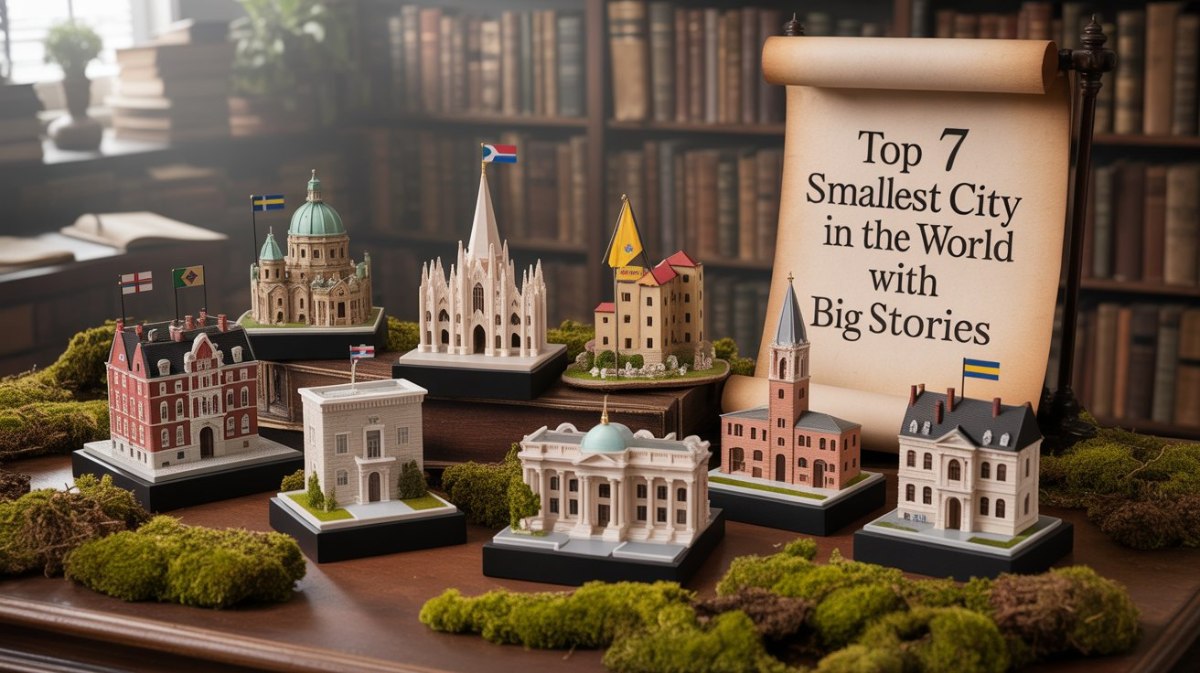
In this detailed guide, we explore the 7 Tiny Smallest City in the World with Big Wonders, covering their history, population, attractions, and why they continue to captivate travelers worldwide.
Quick Overview of the Smallest Cities
| Rank | City | Country | Population | Key Highlight | Transport |
|---|---|---|---|---|---|
| 1 | Hum | Croatia | 20–30 | Smallest city officially | Car |
| 2 | Durbuy | Belgium | ~400 | Medieval charm | Car/Train |
| 3 | Vatican City | Independent State | ~800 | Religious hub | Metro/Bus |
| 4 | San Marino | San Marino | ~33,000 | Oldest republic | Bus |
| 5 | St. Davids | UK | ~1,600 | UK’s smallest city | Bus |
| 6 | Adamstown | Pitcairn Islands | ~50 | Remote island life | Boat |
| 7 | Malmö | Sweden | ~300,000 | Innovation hub | Train/Bus |
What Defines the Smallest City in the World?
Before diving into the list, it’s essential to understand what qualifies as the Smallest City in the World:
- Population size – Some cities have fewer than 50 residents.
- Geographical area – Excessively compact boundaries
- Historical designation – Official city-level designation granted by the government
- Cultural significance – Influence beyond size
These characteristics make each city unique, even if they differ in scale, just as exploring topics like Safest Countries in Africa highlights how diversity in size, culture, and geography shapes the essence of places around the world.
1. Hum: The World’s Smallest City
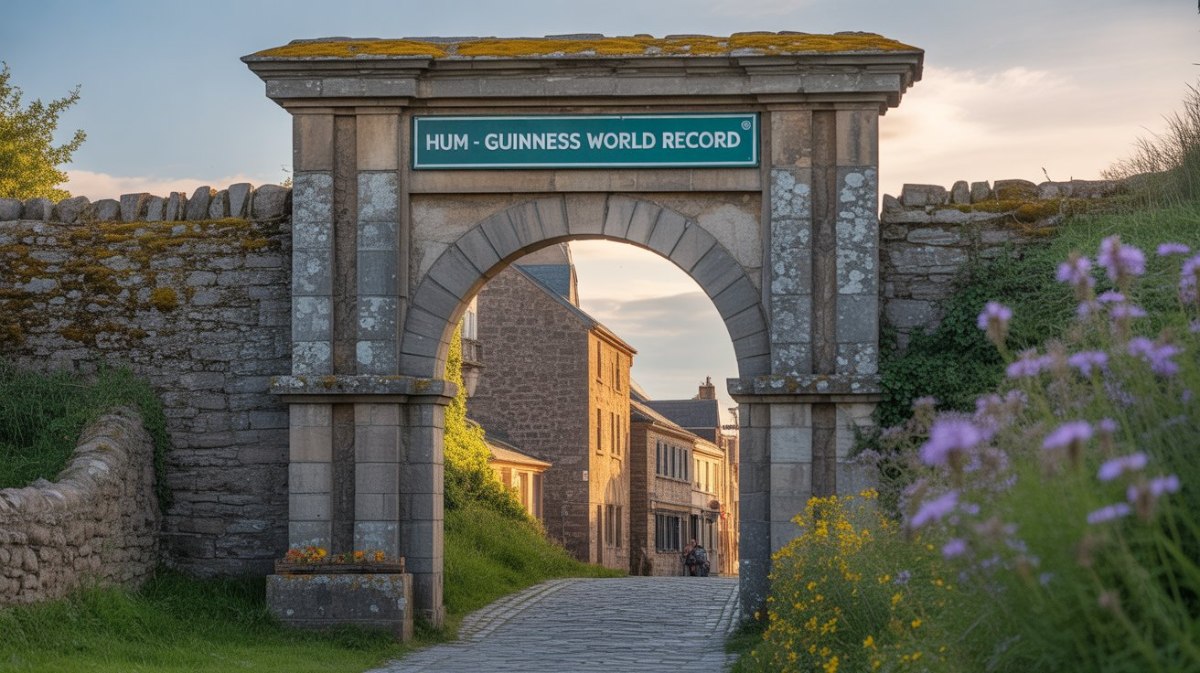
Hum holds the official title of the Smallest City in the World, recognized by Guinness World Records.
Key Facts:
- Population: 20–30 residents
- Founded: 12th century
- Location: Istrian Peninsula
Why It’s Special:
- The whole city consists of just two streets.
- Preserved medieval architecture
- Rich Glagolitic heritage (ancient Slavic script)
Things to Experience:
- Stone gates and ancient walls
- Local truffle cuisine
- Traditional festivals
Hum perfectly illustrates the idea that the Smallest City in the World can still be culturally rich and historically significant, much as exploring destinations featured in the Safest Countries in South America reveals unique cultures and histories that thrive regardless of size.
2. Durbuy: Belgium’s Tiny Treasure
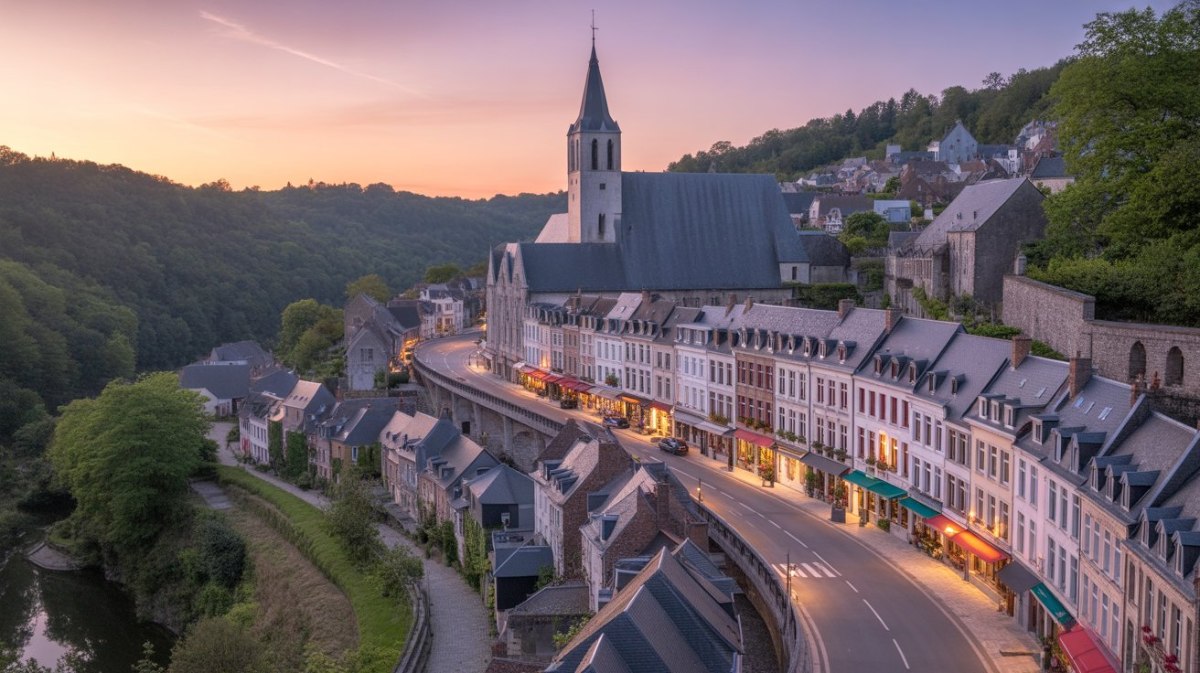
Often called the smallest city by locals, Durbuy is a fairytale destination in the Ardennes.
Highlights:
- Cobblestone streets
- Medieval castle
- Scenic river views
Must-Do Activities:
- Visit Topiary Park
- Try Belgian waffles and craft beer.
- Scout hiking trails
Durbuy shows that the Smallest City in the World concept can also include charm, tourism, and adventure.
3. Vatican City: The Spiritual Giant
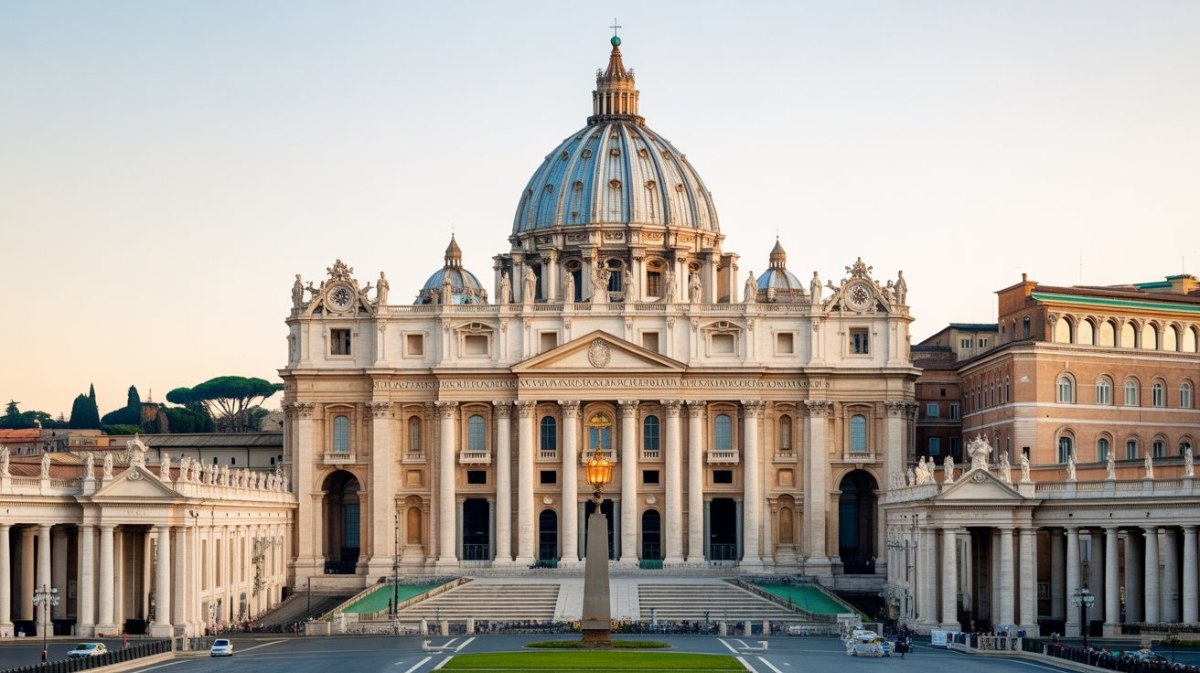
Despite its small size, Vatican City is one of the most influential places on Earth.
Key Features:
- Population: ~800
- Headquarters of the Catholic Church
- Disconnected state within Rome
Famous Attractions:
- St. Peter’s Basilica
- Sistine Chapel
- Vatican Museums
Vatican City proves that the Smallest City in the World can hold immense global power in religion, art, and history, while also affecting people’s sense of identity and Country of Residence through its spiritual and cultural significance.
4. San Marino: The Oldest Republic
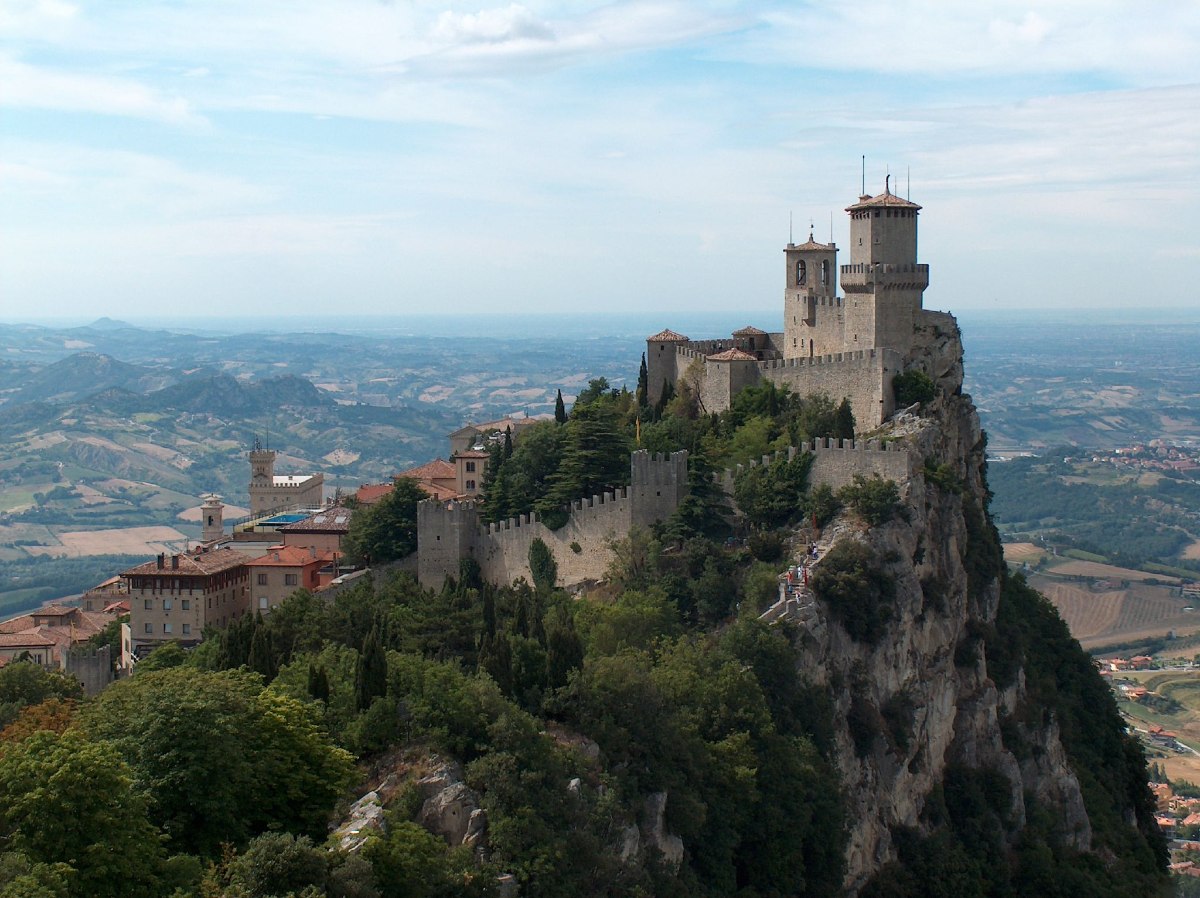
San Marino is one of the most senior enduring republics in the world.
Key Details:
- Founded: 301 AD
- Located on Mount Titano
- Population: ~33,000
Attractions:
- Three iconic towers
- Medieval celebrations
- Panoramic mountain views
This city blends history with independence, supporting why the Smallest City in the World can still be politically significant, much like the Fascinating insights about Greece, where ancient heritage and governance continue to influence the modern world.
5. St. David’s: Britain’s Smallest City
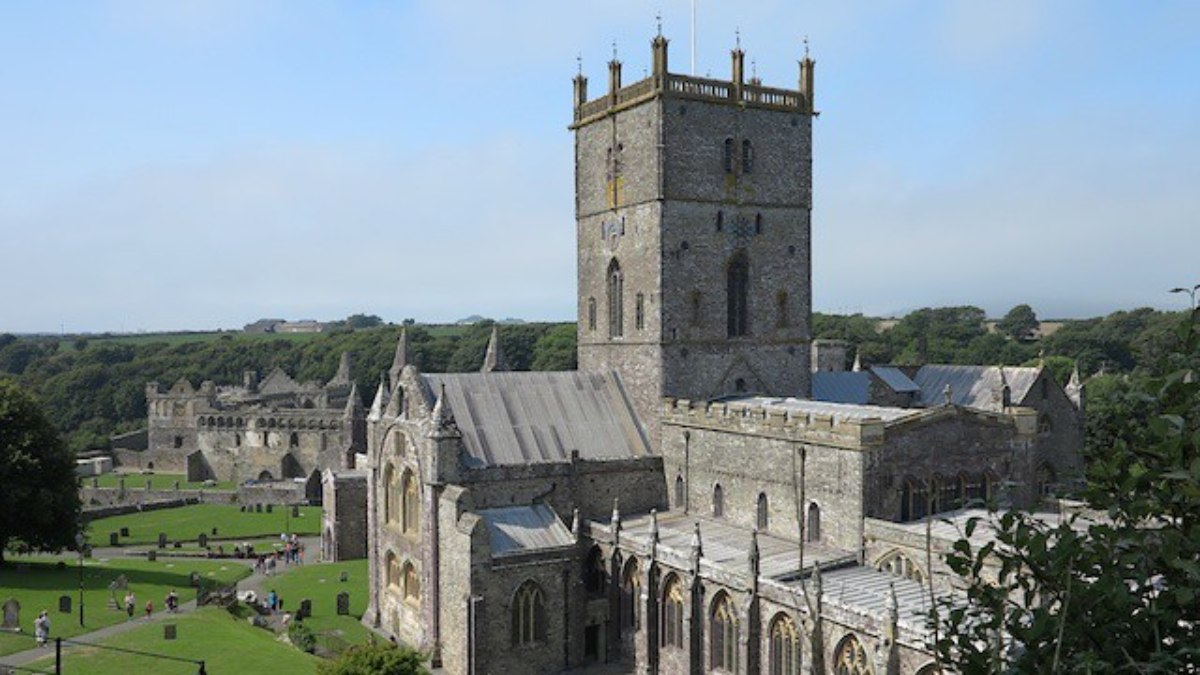
St. David’s is officially the smallest city in the United Kingdom.
Key Highlights:
- Population: ~1,600
- Located in Pembrokeshire
Attractions:
- St. David’s Cathedral
- Coastal National Park
- Art galleries
This peaceful destination reflects how the Smallest City in the World can also be spiritually and naturally enriching.
6. Adamstown: The Most Remote City

Adamstown is one of the most remote communities on Earth.
Unique Facts:
- Population: ~50
- No airport access
- Descendants of HMS Bounty mutineers
Lifestyle:
- Self-sufficient living
- Fishing and farming
- Limited tourism
Its isolation makes it one of the most fascinating examples of the Smallest City in the World.
7. Malmö: Small Yet Modern
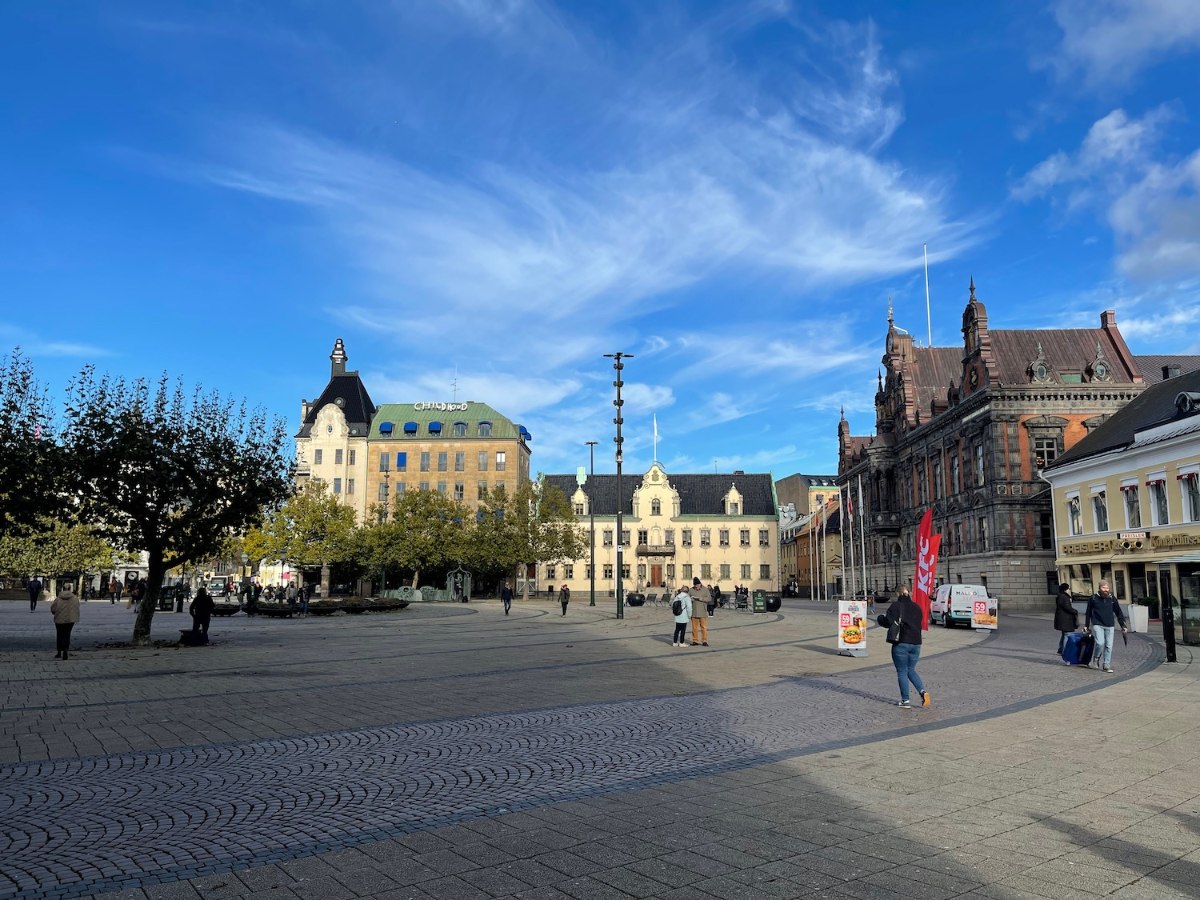
Malmö is larger than others on this list, but still small compared to global megacities.
Key Features:
- Population: ~300,000
- Connected to Copenhagen via a bridge
Highlights:
- Sustainable urban design
- Cycling culture
- Cultural diversity
Malmö indicates that even a relatively small urban center can innovate and lead globally.
Why Travelers Love the Smallest Cities
The appeal of the Smallest City in the World lies in its genuineness and uniqueness.
Key Reasons:
- Less crowded than major cities
- Rich cultural heritage
- Walkable and easy to explore
- Unique local traditions
- Personalized trip experiences
Travel Tips for Visiting Small Cities
Plan Smart:
- Check transportation choices in advance.
- Some cities require cars or boats.
Respect Local Culture:
- Small communities value traditions.
- Follow local customs
Stay Longer:
- Small cities may seem short to explore
- Hidden gems require time.
Conclusion
The Smallest City in the World is not defined by size alone; it is defined by identity, culture, and history. From the medieval charm of Hum to the global influence of Vatican City, these destinations prove that even the tiniest places can leave a massive impact.
For travelers seeking meaningful experiences beyond crowded urban centers, these cities offer authenticity, peace, and unforgettable stories. Exploring them is not just a journey; it’s a deeper connection to history and humanity.
Discover more fascinating wisdom like this on Lite Facts, where small details reveal big wonders.
Frequently Asked Questions (FAQs)
What is the smallest city in the world?
Hum, Croatia, is officially the Smallest City in the World, with only 20–30 residents.
Which of the smallest cities attracts the most tourists?
Vatican City is the most visited due to its religious and cultural significance.
What is the smallest city in the UK?
St. David’s in Wales holds the title.
Can tourists visit Adamstown?
Yes, but entry is limited and typically requires sea travel.
Why are small cities important?
They preserve history, culture, and traditions, making them essential to global heritage.