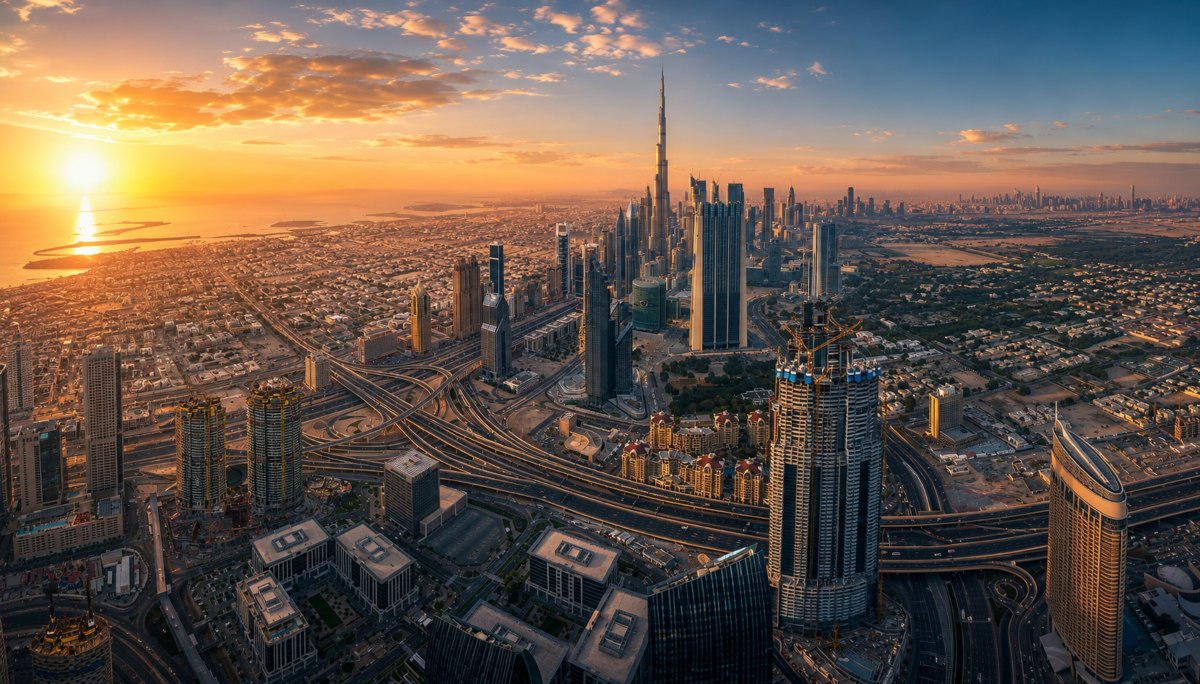
The Burj Khalifa in Dubai is the tallest building in the world, standing at 828 meters (2,717 feet) with 163 floors, nearly double the height of the Empire State Building. Beyond its record-breaking height, the tower holds dozens of engineering milestones, from the fastest elevators on Earth to a starring role in one of Hollywood’s most talked-about movie stunts.
These Burj Khalifa facts cover everything worth knowing about the tower: how it was built, the records it still holds more than a decade after opening, and the real story behind Tom Cruise’s death-defying climb up its glass exterior for Mission: Impossible – Ghost Protocol. Whether you’re curious about the numbers behind its construction or want to know if that stunt was actually real, you’ll find it all below.
What Is the Burj Khalifa? (Quick Overview)
The Burj Khalifa is a 163-floor skyscraper in Dubai, United Arab Emirates, that has held the title of the world’s tallest building since it opened in January 2010. Designed by the Chicago-based architecture firm Skidmore, Owings & Merrill, the tower is a mixed-use building housing offices, a hotel, private residences, and public observation decks, making it far more than just a height record; it’s a functioning vertical city in the heart of Dubai.
Location and Meaning of the Name
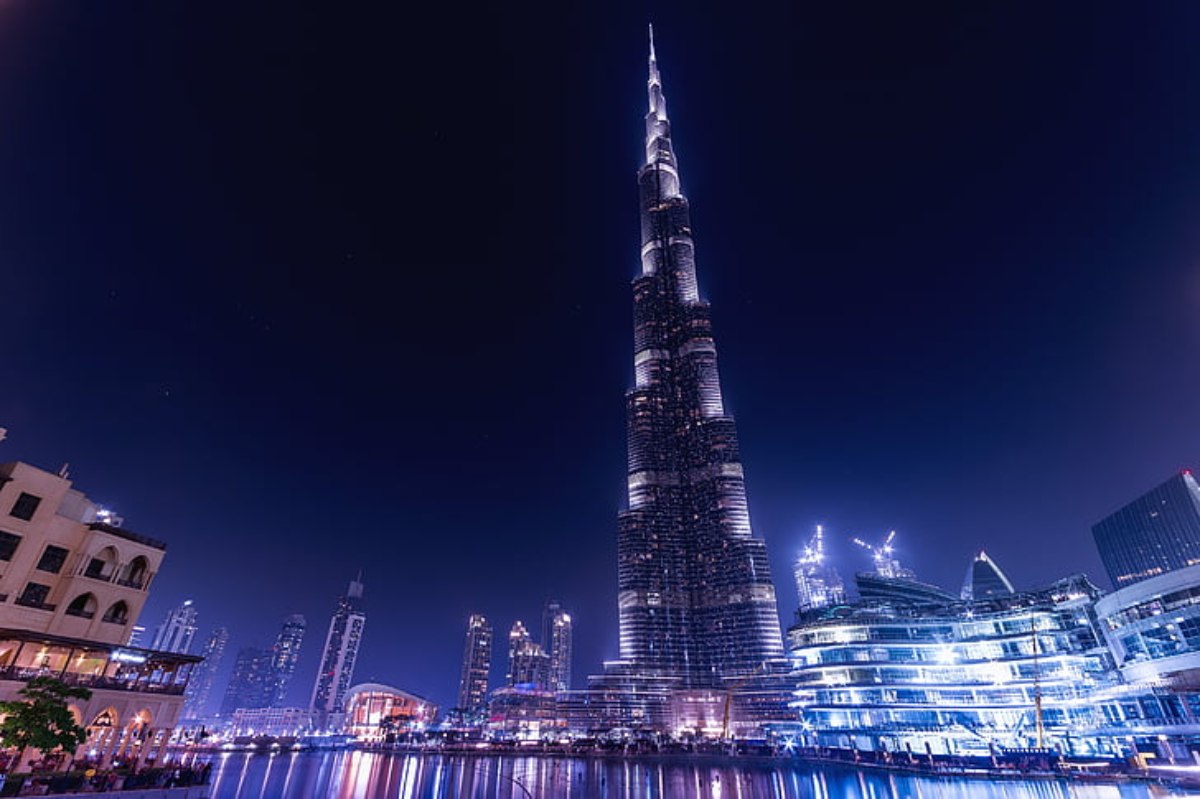
The Burj Khalifa stands in Downtown Dubai, a district built specifically around the tower as its centerpiece, with the Dubai Mall and the Dubai Fountain surrounding it. The name itself translates from Arabic as “Khalifa Tower,” a tribute to Sheikh Khalifa bin Zayed Al Nahyan, the President of the United Arab Emirates at the time of its completion. The building was originally called “Burj Dubai.” Still, it was renamed shortly before opening as a gesture of gratitude to Abu Dhabi, which had provided crucial financial support during Dubai’s debt crisis in 2009.
Why It Is Called the Tower of the Nation
Beyond its official name, the Burj Khalifa is often referred to as the “Tower of the Nation” because it represents the UAE’s rapid transformation from a modest trading region into a global center of finance, tourism, and architecture in just a few decades. The building was designed to symbolize national ambition and progress, drawing on design cues from Islamic architecture.
Its footprint is based on the pattern of a desert flower native to the region, a nod to the arid landscapes found across the world largest desert. Its spiraling structure narrows as it rises, evoking the shape of a rising minaret. This cultural symbolism is a key reason the tower functions as a national icon rather than simply a commercial real estate project.
Burj Khalifa Height and Structural Facts
The Burj Khalifa stands 828 meters (2,717 feet) tall with 163 habitable floors, making it more than 300 meters taller than any other building on Earth. That gap is so large that even the world’s second-tallest building, the Merdeka 118 in Kuala Lumpur, falls short by over 150 meters, a testament to just how far ahead of its time the Burj Khalifa’s design remains, more than 15 years after it opened.
Total Height and Number of Floors
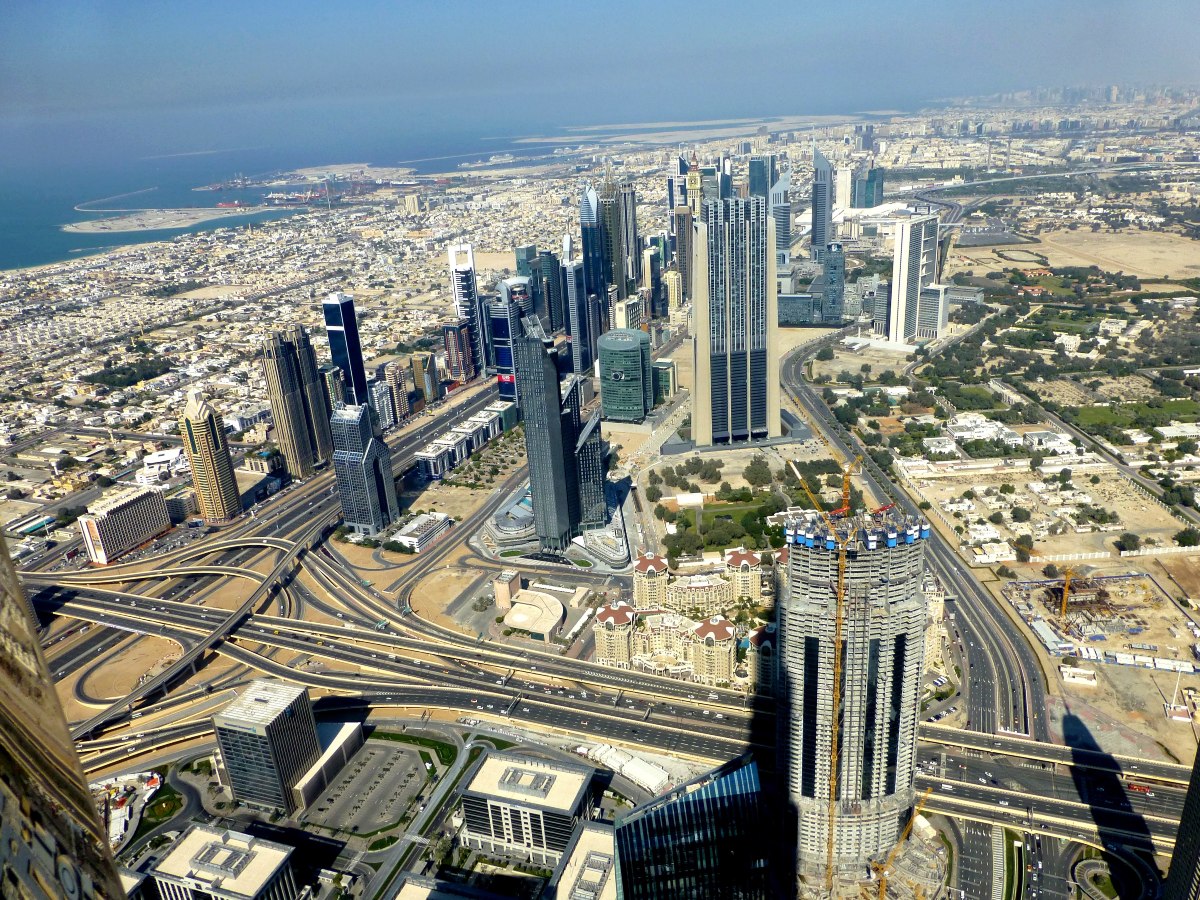
At 828 meters, the Burj Khalifa’s total height includes its spire, which alone accounts for over 200 meters of the structure. The building has 163 official floors used for residences, offices, and hotel space, plus additional mechanical and service levels, bringing the total floor count above 200 when everything is included. This height was achieved using a Y-shaped floor plan that reduces wind forces as the tower rises, allowing it to narrow gradually into 26 setbacks that spiral upward toward the tip.
How It Compares to Other Skyscrapers
The Burj Khalifa is almost twice the height of the Empire State Building (443 meters) and about 60% taller than the Willis Tower, the iconic skyline anchor featured in these fun facts about Chicago, which stands at 442 meters. Even against other supertall buildings completed after it, such as the Shanghai Tower (632 meters) and the Ping An Finance Center (599 meters), the Burj Khalifa still leads by well over 150 meters.
For comparison, the height gap between the Burj Khalifa and its nearest rival is roughly equivalent to the dramatic height difference between the tallest mountains in the world and their neighboring peaks, a lasting margin that’s unusual in skyscraper history, where new record-holders typically surpass the previous title-holder by only modest amounts.
Observation Deck Heights (At the Top, Sky)
Visitors can access two public statement decks: At the Top, located on the 124th and 125th floors at 452 meters, and At the Top, Sky, an upgraded experience on the 148th floor at 555 meters, making it the highest outdoor observation deck in the world. The Sky deck sits more than 100 meters above the observation deck on the Shanghai Tower, offering visitors an unobstructed view stretching across the Dubai skyline and, on clear days, out toward the Persian Gulf.
Construction and Engineering Facts
Construction on the Burj Khalifa began in 2004 and took approximately six years to complete, with the tower officially opening on January 4, 2010. Building a structure of this scale required more than 12,000 workers on-site each day at peak construction, along with engineering innovations that had never been tested at such heights.
How Long It Took to Build
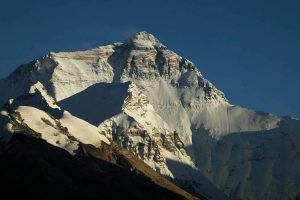
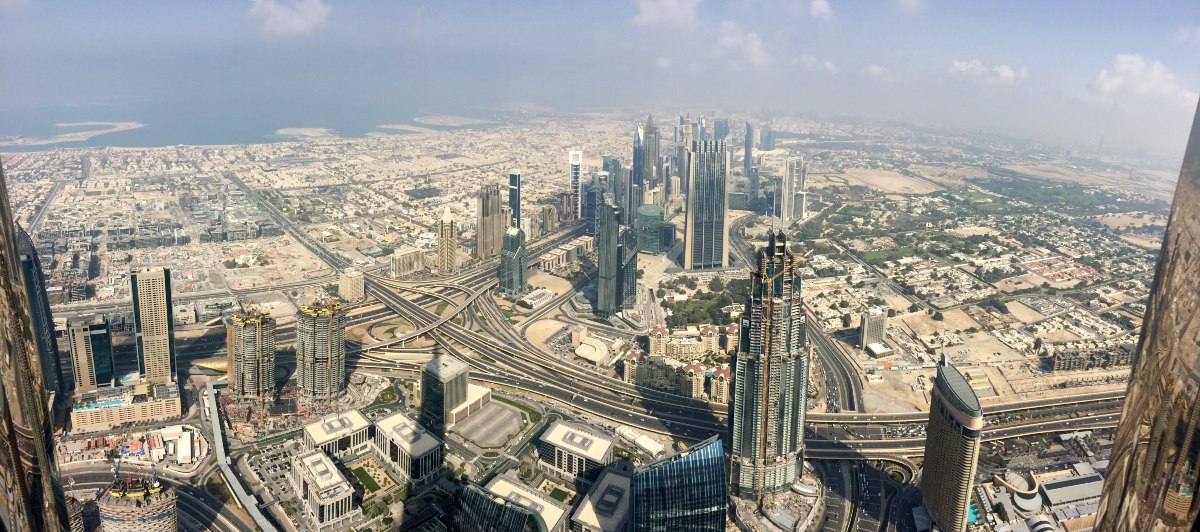
Excavation for the foundation started in January 2004, and the building topped out structurally in 2009 before opening to the public a year later. During peak construction phases, the tower rose at a rate of about one to two floors every three days, a pace made possible by using a self-climbing formwork system that moved upward with the building rather than requiring cranes to lift materials from ground level for every floor. This six-year construction timeline is worth comparing with other feats of human endurance and planning, such as the time it takes to climb Mount Everest; both projects demand months of careful staging before reaching their final peaks.
Materials Used and Construction Techniques
The Burj Khalifa’s structure relies on more than 330,000 cubic meters of concrete and 39,000 metric tons of steel rebar, reinforced by a design method called a “buttressed core,” where three wings brace against a central hexagonal core to support the building’s height and resist wind loads. The exterior is wrapped in over 26,000 glass panels designed to withstand Dubai’s intense heat, reducing solar gain while still allowing natural light into the offices, residences, and hotel spaces inside. This combination of a reinforced concrete core and a wind-resistant tiered shape allowed engineers to build a skyscraper nearly twice as high as any previous one without the structure becoming unstable in high winds.
The Architect Behind the Design
The Burj Khalifa was designed by Adrian Smith, then a lead architect at the Chicago firm Skidmore, Owings & Merrill (SOM), the same firm behind other supertall landmarks like the Willis Tower. Smith based the tower’s design on the geometric patterns of the Hymenocallis flower, a desert plant native to the region, translating its petal-like structure into the building’s spiraling, tapering silhouette. SOM also handled the structural engineering, led by Bill Baker, who developed the buttressed core system specifically to make a building of this unprecedented height physically possible.
Record-Breaking Facts
The Burj Khalifa holds more than a dozen world records, the most famous being its title as the tallest building on Earth at 828 meters, a record it has held since 2010, with no successor currently under construction tall enough to beat it. Beyond height, the tower also set benchmarks in elevator speed, structural achievement, and vertical construction that have made it a permanent fixture in engineering record books, alongside other geography-defining extremes covered in this geography trivia collection.
World Records Held by Burj Khalifa
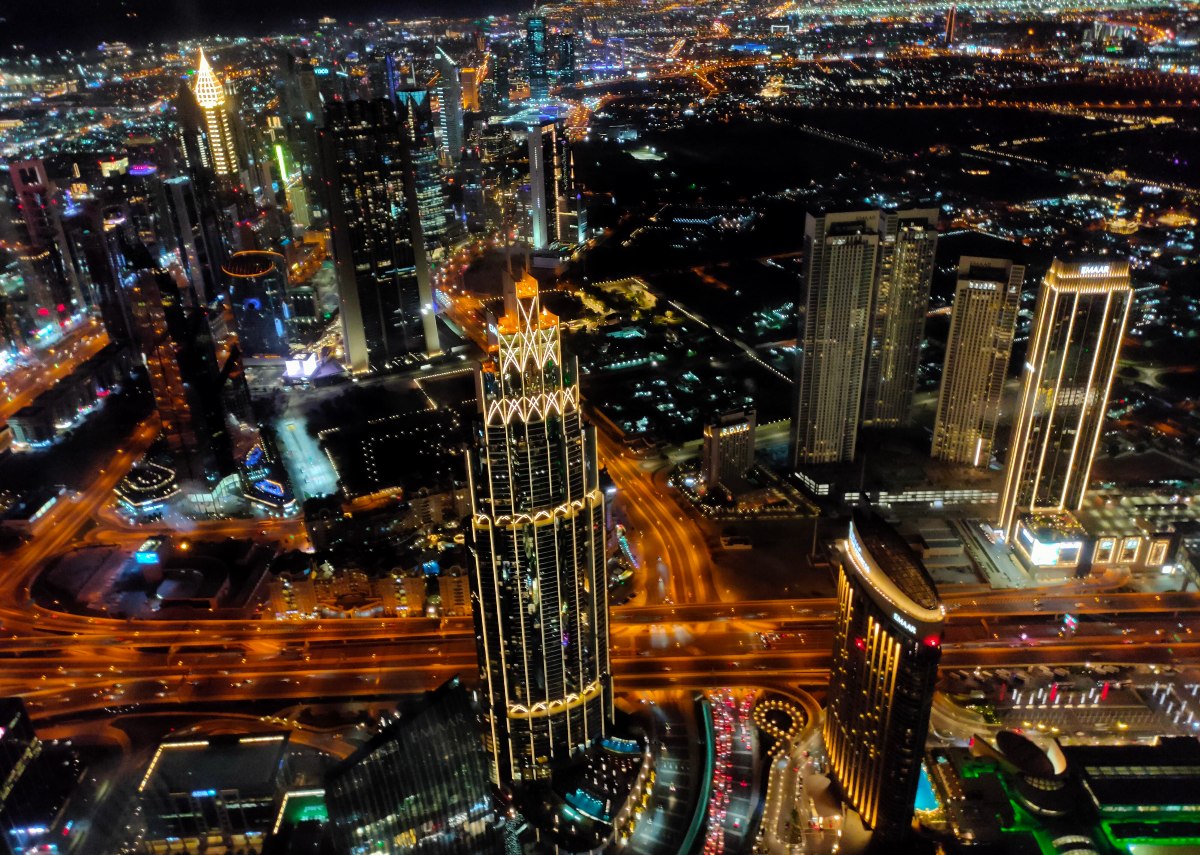
In addition to being the world’s tallest building, the Burj Khalifa holds records for the most elevated freestanding structure, the building with the most floors (163), and the highest occupied floor. It also claims the record for the highest outdoor observation deck, the elevator with the longest travel distance, and the tallest service elevator, among others. What makes this list unusual is its durability. While most skyscraper records are broken within a decade as new supertall towers rise, the Burj Khalifa has held its core height title for over 15 years, a gap unmatched by any previous record holder in modern skyscraper history.
Fastest Elevators in the World
The Burj Khalifa’s double-deck elevators travel at up to 10 meters per second (about 22 mph), making them among the fastest elevators in the world and allowing visitors to reach the 124th-floor observation deck in roughly 60 seconds. These elevators also hold the record for the longest travel distance of any elevator on Earth, a necessity given the sheer vertical distance they must cover from the ground floor to the building’s upper levels. Engineers had to design specialized systems to manage air pressure changes and reduce the sensation of speed for passengers, since traveling that fast vertically can otherwise cause discomfort similar to a rapid change in altitude.
Tom Cruise and the Burj Khalifa: The Mission: Impossible Stunt
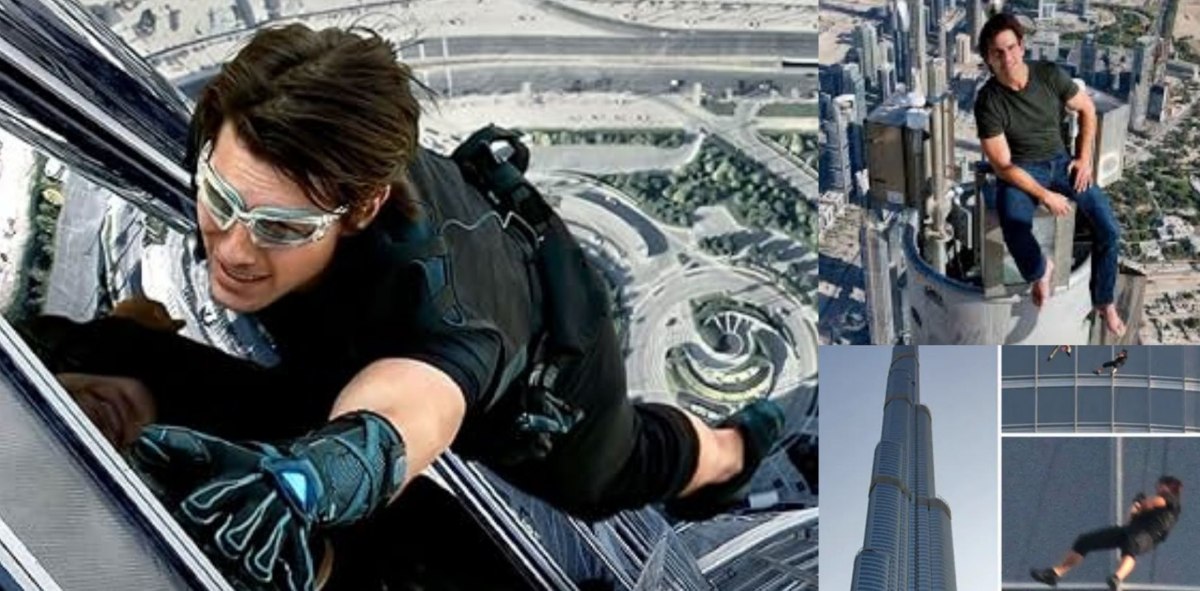
Tom Cruise and the Burj Khalifa became linked in pop culture history through one of the most famous practical stunts ever filmed: a scene in Mission: Impossible – Ghost Protocol (2011) where his character, Ethan Hunt, scales the building’s exterior glass using a pair of high-tech climbing gloves. The stunt is still referenced today as one of the most dangerous real-life sequences ever performed on a skyscraper, and it remains a major reason the Burj Khalifa shows up in search results tied to Tom Cruise rather than architecture alone.
What Happened in the Ghost Protocol Scene
In the film, Ethan Hunt is forced to climb the outside of the Burj Khalifa to access a server room and reroute a security system, using magnetic “sticky” gloves that malfunction partway up. The sequence unfolds over several minutes of tension as Hunt scales, slips, and dangles from the building’s glass exterior hundreds of meters above Dubai, all while trying to complete the mission before the gloves fail. It’s widely regarded as one of the standout set pieces in the entire Mission: Impossible franchise, largely because audiences knew much of what they were watching was genuinely filmed on location rather than built entirely on a soundstage.
Which Floor and Height Was the Stunt Filmed At
The climbing sequence was filmed on the exterior of the Burj Khalifa around the 123rd floor, placing Tom Cruise roughly 450 meters above the ground during the shoot, well above the height of most other skyscrapers in the world. Production crews worked with the building’s owners and local authorities to gain access to this section of the tower specifically because it offered the dramatic backdrop of Dubai’s skyline while still being structurally suited to support filming equipment and safety rigging at that height.
How the Stunt Was Actually Performed (Safety Rig, Real vs. CGI)
Tom Cruise performed a significant portion of the climbing stunt himself, secured by a concealed harness and cabling system that was digitally removed in post-production to make it appear as though he had no visible safety equipment. While the wider, more extreme shots used CGI enhancements and camera tricks to heighten the sense of danger, much of the sequence, including Cruise dangling and climbing along the glass, was shot practically, with the actor genuinely suspended outside the building rather than relying on a green-screen soundstage.
This blend of real stunt work and selective digital touch-ups is part of why the scene has held up as convincing more than a decade later, compared to fully CGI action sequences from the same era.
Why This Scene Became So Iconic
The stunt became iconic largely because it broke from Hollywood convention. Rather than filming against a green screen, the production team insisted on shooting on location at the actual Burj Khalifa, giving the sequence a sense of real scale and danger that’s difficult to replicate digitally. Tom Cruise’s willingness to perform the climb himself at genuine height added a layer of authenticity that resonated with audiences and critics alike, and the scene is frequently cited in “greatest movie stunts” retrospectives more than a decade after the film’s release. It also had a lasting marketing effect on the Burj Khalifa itself, introducing the building to global audiences who might otherwise never have associated it with anything beyond its height record.
Fun and Surprising Facts
Beyond its height and engineering records, the Burj Khalifa hides a handful of surprising details that most visitors never learn about, from a temperature gap between its base and summit to appearances in films well beyond the Mission: Impossible franchise. These lesser-known facts round out the picture of a building that’s as culturally significant as it is structurally impressive.
Interesting Trivia Most People Don’t Know
The Burj Khalifa’s water system collects enough condensation from its air conditioning units to fill roughly 15 Olympic-sized swimming pools every year, a byproduct of cooling a building this large in Dubai’s desert climate. The tower also contains around 57 elevators and 8 escalators. Yet, no elevator in the building travels directly from the ground floor to the very top; visitors must transfer between elevator banks partway up, since a single continuous shaft isn’t structurally practical at this height.
Additionally, the building’s exterior cleaning is handled by a specialized team using automated cleaning cradles, and a full cleaning cycle of all 26,000 glass panels takes roughly three to four months to complete, a maintenance challenge on a scale that rivals the mysteries hidden in scary facts about Lake Tahoe, just in a very different environment.
Weather and Temperature Differences at the Top
Because of its extreme height, the temperature at the top of the Burj Khalifa can be up to 6°C (about 11°F) cooler than at street level, a noticeable difference in a city where ground-level temperatures regularly exceed 40°C in summer. This temperature gradient happens because air cools as altitude increases, an atmospheric effect similar to the shifts explored in general ocean facts about depth and temperature layering, and at 828 meters, the Burj Khalifa is tall enough for that effect to become measurable and felt by visitors on the observation decks.
The height difference is also enough to cause the sun to set several minutes later at the top of the tower than it does for people standing at its base, a detail Dubai has used in its own tourism marketing.
Other Movies and Media Featuring the Tower
While the Tom Cruise stunt in Mission: Impossible – Ghost Protocol remains its most famous film appearance, the Burj Khalifa has also featured in productions like Furious 7, where characters drive a car through three of the tower’s floors, and various documentaries covering record-breaking architecture and engineering. The building regularly appears in New Year’s Eve broadcasts worldwide due to its elaborate fireworks and light shows, which have set records for the largest light-and-sound show projected on a single building. Its distinctive silhouette has also made it a recurring backdrop in international advertising campaigns, further cementing its status as one of the most recognizable structures in modern architecture, alongside other globally iconic landmarks covered in fascinating facts about Greece.
Visiting Burj Khalifa: Quick Facts for Tourists
Visiting the Burj Khalifa typically means booking tickets in advance for one of its two observation decks, with the experience shaped heavily by time of day and season due to Dubai’s extreme summer heat. Planning around these factors makes the difference between a crowded, hazy view and a clear, comfortable one, the same kind of planning that helps when figuring out where Curaçao is located before booking an island trip.
Best Time to Visit
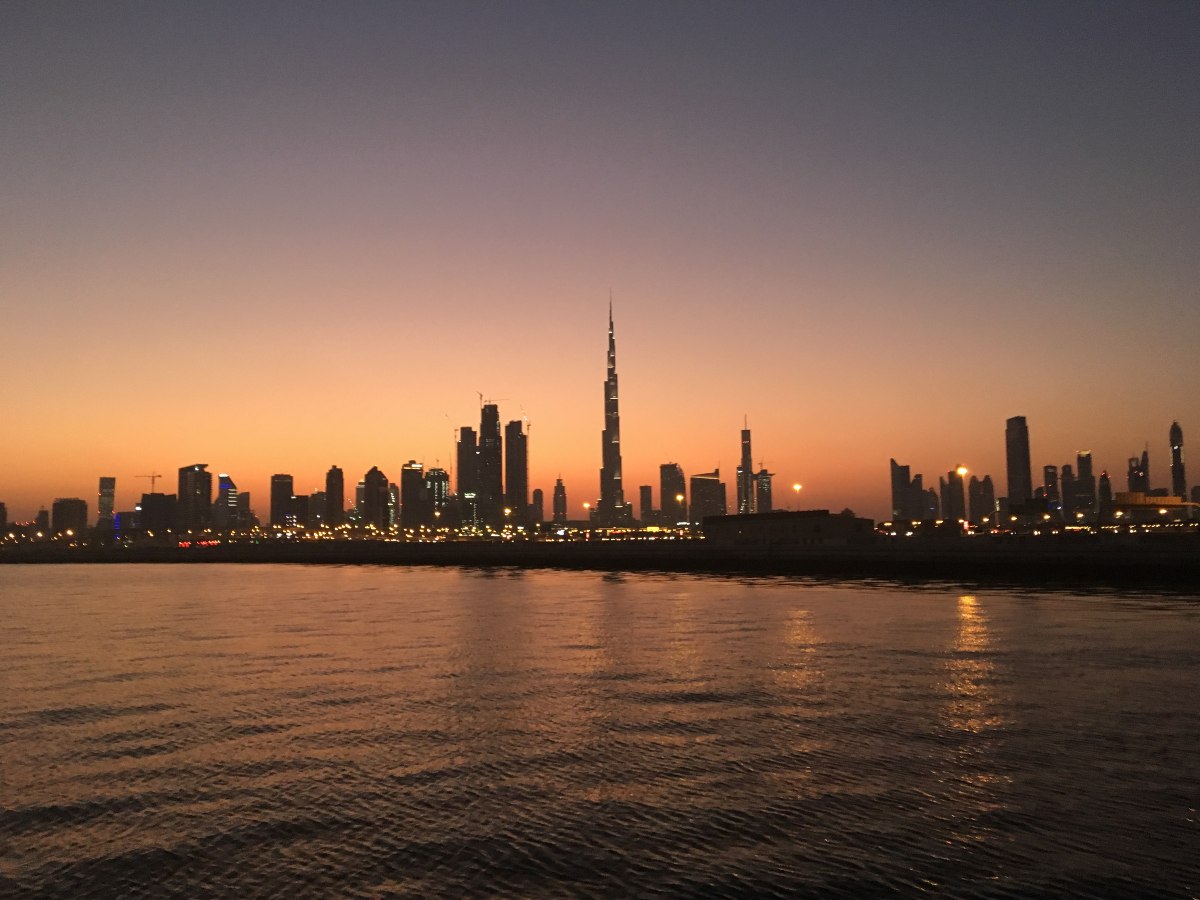
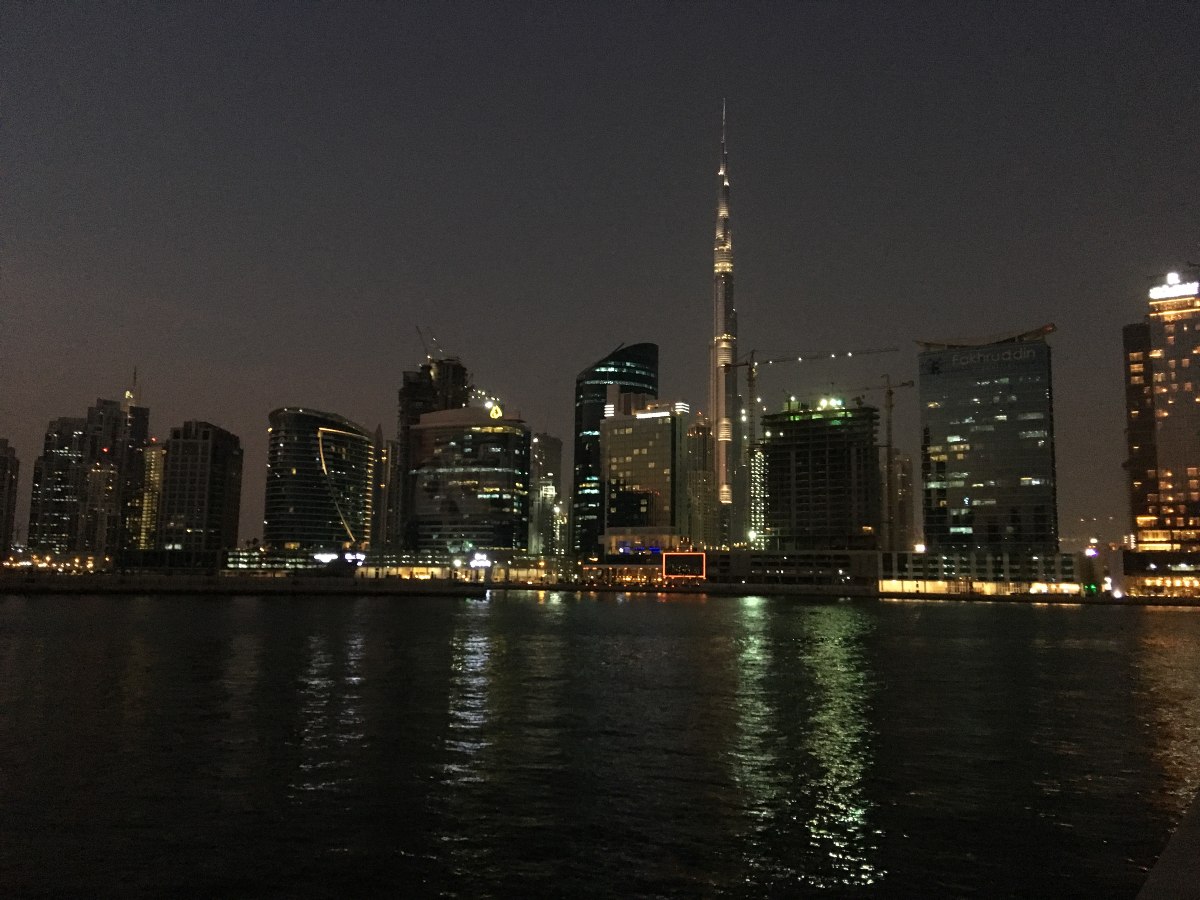
The best time to visit the Burj Khalifa is during sunset, when visitors can watch daylight fade over the city and see Dubai’s skyline transition into its illuminated nightscape from the same vantage point, a window so popular that sunset slots are typically the most expensive and sell out fastest. Seasonally, the cooler months between November and March are considered ideal, since Dubai’s summer temperatures can climb above 40°C (104°F), making even short walks to and from the tower uncomfortable. Visiting on a weekday morning, aside from sunset, tends to offer the shortest queues and clearest visibility, since haze and crowds both build up later in the day.
Ticket Types and Observation Decks
Tickets fall into two main tiers: At the Top, covering floors 124 and 125 at 452 meters, and At the Top, Sky, the premium option on floor 148 at 555 meters, which includes access to a lounge and a guided experience not available on the standard ticket. The Sky ticket typically costs roughly double the standard admission price, reflecting both the higher vantage point and the added amenities, and it often requires booking further in advance due to limited daily capacity. Both ticket types require selecting a specific entry time slot, since the observation decks manage visitor flow in timed groups rather than allowing unrestricted walk-in access throughout the day.
Conclusion
The Burj Khalifa earns its place as one of the most remarkable structures on Earth not just through raw height, but through the engineering ambition, cultural symbolism, and pop-culture moments layered into its story. At 828 meters and 163 floors, it has held the crown of the world’s tallest building for over 15 years, longer than any previous record-holder.
From the buttressed core that made its height physically possible, to the record-setting elevators that carry visitors to the sky in under a minute, to Tom Cruise’s real-life climb along its glass exterior for Mission: Impossible – Ghost Protocol, the Burj Khalifa blends architectural achievement with genuine cultural impact. Whether you’re planning a visit, researching for a project, or simply curious about the details behind the world’s tallest building, these Burj Khalifa facts capture what makes the tower far more than just a number on a skyline.
Frequently Asked Questions(FAQs)
How tall is Burj Khalifa exactly?
The Burj Khalifa stands 828 meters (2,717 feet) tall, including its spire, making it the tallest artificial structure in the world. This height has remained unbeaten since the tower opened in January 2010, with no building currently under construction tall enough to surpass it.
How many floors does Burj Khalifa have?
The Burj Khalifa has 163 officially habitable floors, plus additional mechanical and service levels, bringing the total floor count to over 200 when everything is included. This makes it not only the tallest building in the world but also the building with the most floors.
Who built the Burj Khalifa?
The Burj Khalifa was designed by architect Adrian Smith of the Chicago firm Skidmore, Owings & Merrill (SOM), with structural engineering led by Bill Baker, who developed the buttressed core system that made the tower’s height physically achievable. Construction took approximately six years, running from 2004 to the building’s official opening in January 2010.
Is Burj Khalifa still the tallest building in the world?
Yes, the Burj Khalifa remains the tallest building in the world as of 2026, holding the title since 2010 with a lead of more than 150 meters over the next-tallest completed skyscraper. No project currently under construction is expected to surpass its height in the near future.
Did Tom Cruise really climb the Burj Khalifa without CGI?
Tom Cruise performed a significant portion of the climbing stunt in Mission: Impossible – Ghost Protocol himself, secured by a concealed harness that was digitally removed in post-production. At the same time, the most extreme wide shots relied on CGI enhancements.