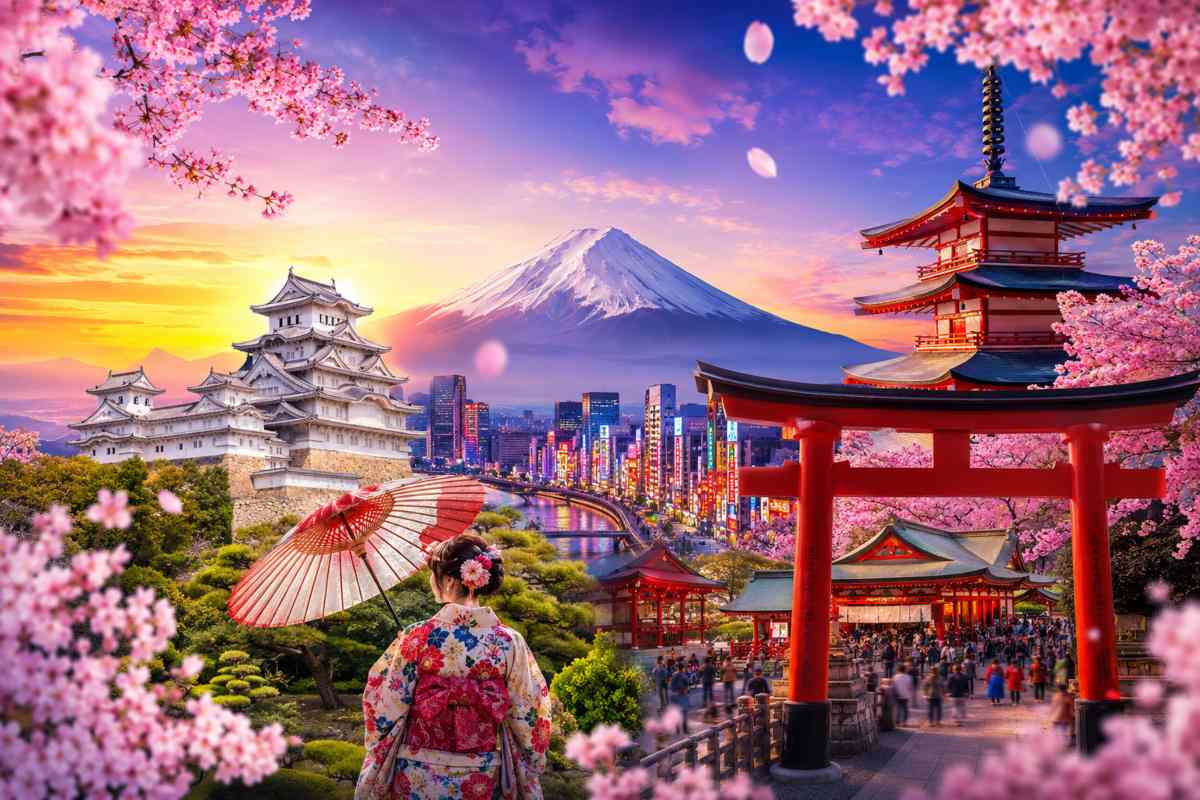
Japan is a country where centuries-old tradition and futuristic innovation coexist, producing some of the most surprising facts about Japan found anywhere in the world, from vending machines that outnumber convenience stores to an island where deer outnumber people. Beyond the postcard images of cherry blossoms and bullet trains, Japan holds a collection of fun, weird, and genuinely interesting details that reveal just how distinct its culture, history, and daily life really are, much like the layered traditions found in fascinating facts about Greece.
With over 6,800 islands, a population of roughly 124 million, and a culture that blends Shinto ritual with cutting-edge technology, Japan offers no shortage of trivia worth knowing. Whether you’re curious about its food traditions, quirky customs, or the strange side of everyday life, these facts about Japan cover everything from the practical to the downright bizarre, perfect for satisfying a quick curiosity or impressing someone at trivia night. If geography is more your thing, you’ll enjoy this geography trivia roundup too.
Quick Facts About Japan
Japan is an island nation in East Asia made up of four main islands, Honshu, Hokkaido, Kyushu, and Shikoku, along with thousands of smaller ones, and is governed as a constitutional monarchy, with Tokyo as its capital. It has a population of roughly 124 million, making it the 11th most populous country in the world despite ranking only 62nd in land area. This density shapes everything from housing design to public transportation, raising interesting questions about country of residence among the many expats who call Japan home.
Fast Facts at a Glance
Japan’s capital and largest city is Tokyo, home to over 14 million residents and one of the most populous metropolitan areas on Earth when its surrounding prefectures are included. The official language is Japanese, written using a combination of three scripts: kanji, hiragana, and katakana, and the national currency is the Japanese yen (JPY). Emperor Naruhito rules Japan as a symbolic head of state, while day-to-day governance falls to an elected Prime Minister, making it one of the world’s oldest continuous monarchies.
Important Facts Everyone Should Know
Japan has one of the highest life expectancies in the world, with residents living an average of around 84 years, a figure often linked to its diet, healthcare system, and active lifestyle. The country is also one of the most seismically active places on Earth, situated along the Pacific Ring of Fire and experiencing thousands of earthquakes every year, most of which are too minor to be felt. Despite its dense cities, Japan maintains a strong cultural emphasis on cleanliness, punctuality, and respect. These values show up in everything from spotless train platforms to the near-total absence of public trash cans.
Fun Facts About Japan
Japan is packed with fun facts that make it one of the most fascinating countries to learn about, from its love of vending machines to its unusual sense of humor around everyday objects. These lighthearted details are a great starting point for anyone exploring what makes Japanese culture so unique, whether for a school project, trivia night, or just casual curiosity.
Fun Facts for Kids
Japan is home to more vending machines per person than almost any other country, with an estimated one machine for every 23 people, selling everything from hot coffee to fresh eggs and umbrellas. Kids in Japan often clean their own classrooms as part of the daily school routine, a practice called “souji” that teaches responsibility and teamwork from a young age instead of relying on janitorial staff. Japan is also the birthplace of some of the world’s most beloved characters and games, including Pokémon, Nintendo, and Hello Kitty, all of which started in Japan before becoming global phenomena.
Funny and Lighthearted Facts
Japan has an entire island, Okunoshima, where wild rabbits roam freely and greatly outnumber the human visitors, making it a popular stop nicknamed “Rabbit Island.” Many Japanese restaurants display incredibly realistic plastic replicas of their dishes in the window, a practice known as “sampuru,” so diners can choose their meal by sight before ever opening a menu. Slurping noodles loudly is considered polite in Japan rather than rude, since it’s seen as a sign that you’re enjoying your ramen or soba and even helps cool the noodles as you eat.
Interesting Facts About Japan
Japan offers some of the most interesting facts of any country, blending centuries-old customs with a modern identity that few nations manage to balance so seamlessly. From etiquette rooted in centuries of tradition to a history shaped by isolation and rapid transformation, these details help explain why Japanese culture continues to captivate people worldwide.
Interesting Facts About Japanese Culture
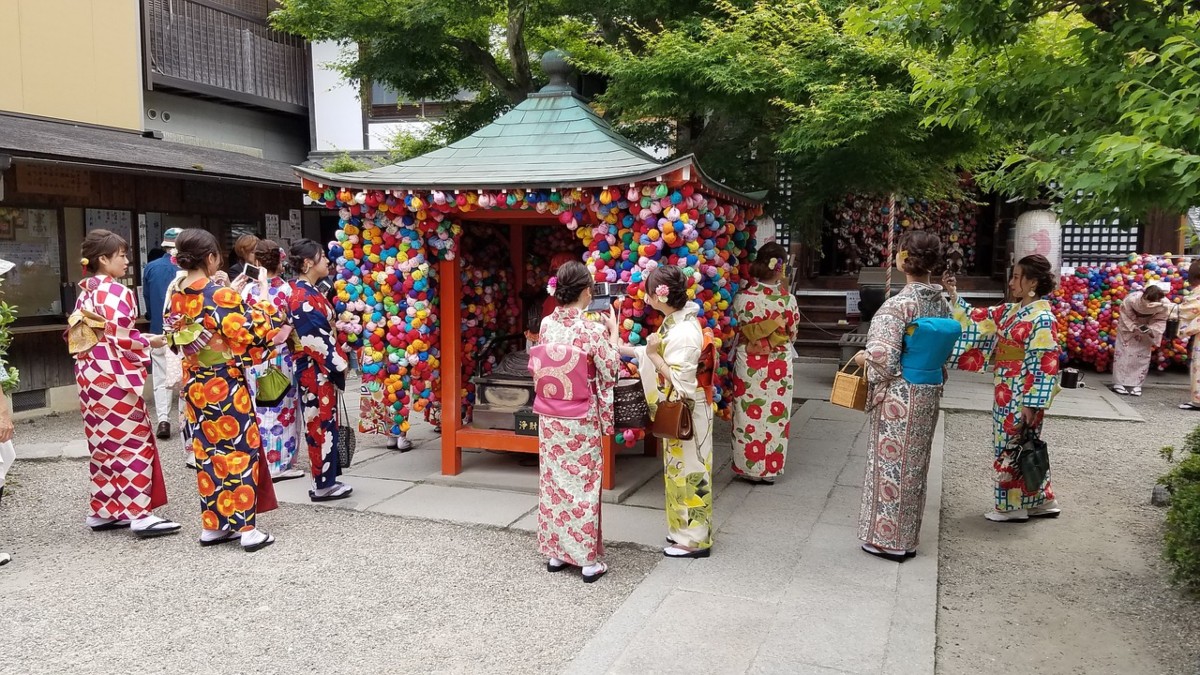
Bowing is a deeply ingrained part of Japanese social life, used to greet, thank, apologize, or show respect, with the depth and duration of the bow signaling the level of formality involved. Gift-giving in Japan follows strict etiquette, including the custom of presenting and receiving items with both hands, and it’s considered impolite to open a gift immediately in front of the giver. Japan also has one of the most respected work cultures around seasonal change, celebrating hanami, the centuries-old tradition of viewing cherry blossoms that draws millions of people to parks each spring for just a week or two when the blooms peak.
Historical and Traditional Facts
Japan closed itself off from most foreign contact for over 200 years during the Edo period, a policy known as sakoku, which lasted from 1639 until Commodore Matthew Perry’s arrival in 1853 forced the country to reopen trade. The country is also home to the world’s oldest continuously operating company, Kongō Gumi, a construction firm founded in 578 AD that specialized in building Buddhist temples for nearly 1,400 years before being absorbed by a larger corporation in 2006.
Japan’s imperial line is considered the oldest continuous hereditary monarchy in the world, with the current emperor tracing his lineage back through more than 125 recorded generations, a longevity comparable to the ancient architectural feats of the Burj Khalifa, though separated by centuries and continents.
Weird, Strange and Unusual Facts About Japan
Japan has no shortage of weird and unusual facts that surprise even seasoned travelers, from bizarre laws still on the books to everyday customs that seem strange to outsiders but are completely normal for locals. These stranger corners of Japanese life show a side of the country that goes well beyond temples and technology.
Crazy Facts You Won’t Believe
Japan has more elderly citizens than babies, and retail products are designed with adult diapers in mind rather than baby diapers, reflecting its rapidly aging population, which recently reached a point where sales of adult incontinence products surpassed those for infants. There’s a real island in Japan, Aoshima, often called “Cat Island,” where the feline population outnumbers human residents by roughly six to one, drawing visitors who come purely to see cats roaming freely through the fishing village, not unlike the curiosity that draws travelers to learn where Curaçao is located.
Japan also has designated “quiet cars” on many trains where using a phone for calls is considered a serious breach of etiquette, and passengers who need to talk are expected to step into the connecting area between cars instead.
Unique Facts Only Locals Know
In Japan, it’s common for department stores and supermarkets to employ full-time elevator attendants whose only job is bowing and announcing the floors, a level of customer-service dedication rarely seen elsewhere. Many convenience stores in Japan still process bill payments, package deliveries, ticket purchases, and even photocopying, functioning as a kind of miniature service hub rather than just a place to grab snacks. There’s also a strong cultural taboo around blowing your nose in public, since it’s considered far more polite to sniffle quietly than to use a tissue in front of others, the opposite of etiquette norms in much of the West.
Facts About Japanese Food
Japanese food is built on a foundation of rice, seafood, and fermentation techniques that date back centuries, producing dishes now recognized worldwide alongside customs that still puzzle outsiders. From sushi’s surprising origin story to the etiquette surrounding a simple bowl of ramen, food offers one of the clearest windows into Japanese culture.
Traditional Dishes and Their Origins
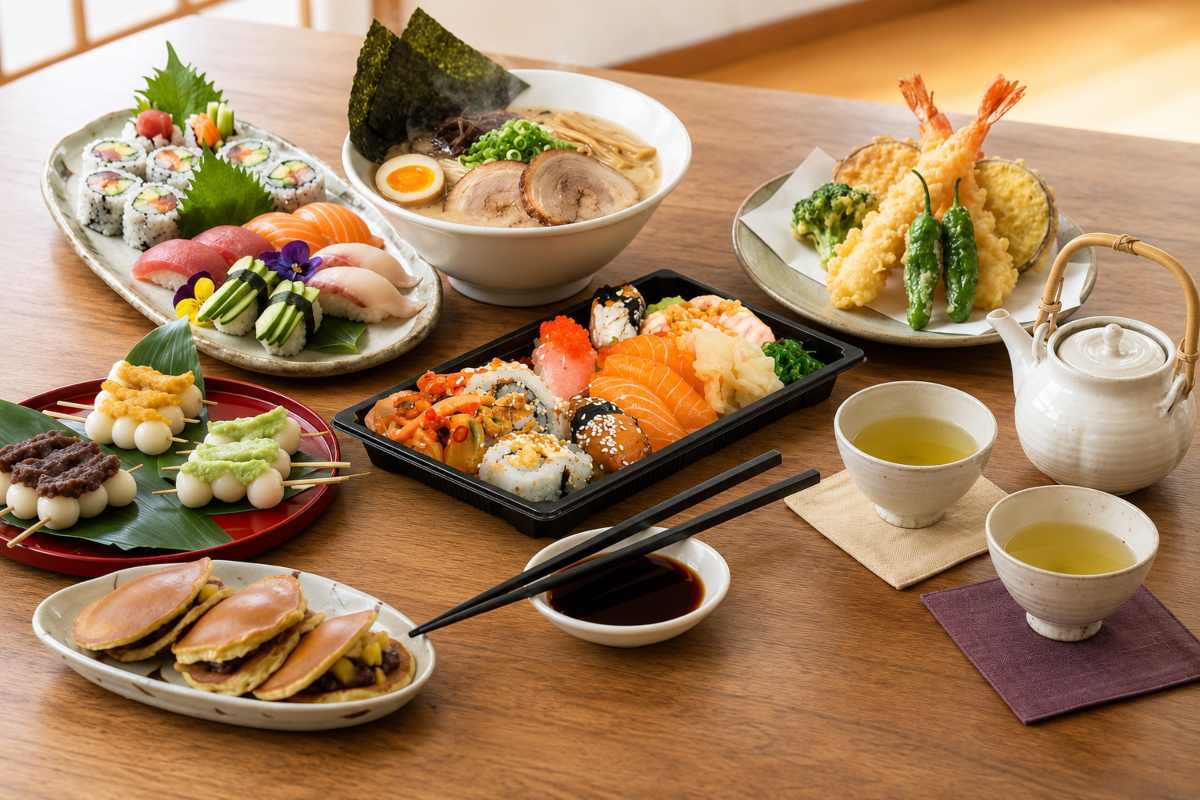
Sushi didn’t start as a delicacy; it began as a preservation method called narezushi, in which fish was packed in fermented rice to keep it edible for months, with the rice itself typically discarded before eating. Ramen, often assumed to be a purely Japanese invention, actually traces its roots to Chinese wheat noodle dishes brought to Japan in the late 1800s, which were later adapted into the regional styles found across the country today. Tempura followed a similar path, introduced by Portuguese traders in the 16th century who battered and fried food during periods of religious fasting, a technique the Japanese later refined into a distinct dish of their own.
Surprising Food Customs
Fugu, or pufferfish, contains a toxin lethal enough to kill an adult within hours if improperly prepared. Yet, it remains a prized delicacy in Japan, with chefs required to complete years of licensed training before they’re legally permitted to serve it. It’s considered good manners to say “itadakimasu” before a meal. This phrase roughly translates to “I humbly receive,” acknowledging everyone and everything involved in bringing the food to the table. Unlike in many Western countries, tipping at restaurants in Japan isn’t just unnecessary; it can actually be seen as rude or confusing, since excellent service is considered a standard part of the job rather than something that warrants extra payment.
Christmas in Japan: Fun and Interesting Facts
Christmas in Japan looks nothing like the holiday celebrated in the West, since it isn’t a national holiday or a religious observance for most residents but rather a festive, commercialized event centered on couples and lights rather than family gatherings. With Christians making up less than 1% of Japan’s population, the holiday has evolved into something distinctly Japanese, blending imported symbols with entirely new customs.

How Japan Celebrates Christmas
Because Christmas isn’t a public holiday in Japan, most people go to work or school as usual on December 25th, saving any celebrating for evenings or the nearest weekend. Rather than a family-centered holiday as in the U.S. or Europe, Christmas in Japan is widely treated as a romantic occasion, similar to Valentine’s Day, with couples exchanging gifts and making dinner reservations weeks in advance. New Year’s, not Christmas, remains the major holiday in Japan, reserved for family gatherings, temple visits, and days of formal celebration that Christmas simply doesn’t carry in Japanese culture.
Unique Christmas Traditions (KFC, illuminations, etc.)
Eating KFC on Christmas has become such an established tradition in Japan that customers routinely place orders weeks in advance. This custom traces back to a 1974 marketing campaign called “Kentucky for Christmas” that filled the void left by the absence of a traditional turkey dinner. Christmas cake, typically a light sponge cake topped with whipped cream and strawberries, is another must-have tradition, with bakeries and convenience stores selling out of pre-ordered cakes every December.
Elaborate illumination displays also take over cities during the season, with places like Tokyo’s Shibuya and Kobe’s Luminarie transforming streets into massive light installations that draw crowds purely for the visual spectacle rather than any religious significance, much like the festive city lights found in fun facts about Chicago during the holidays.
Facts About the Japanese Flag
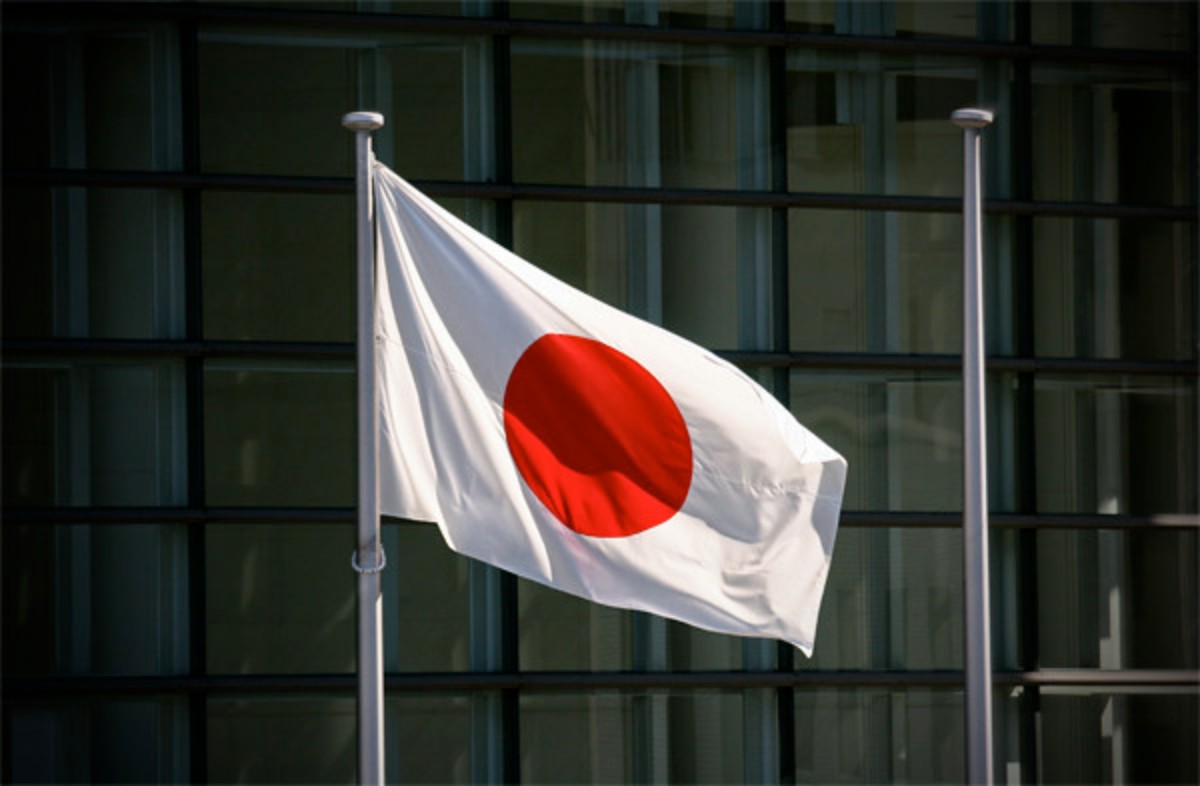
The Japanese flag, known as the Hinomaru, features a simple red circle centered on a white background, representing the sun and reflecting Japan’s traditional name, “Land of the Rising Sun.” Despite its minimalist design, the flag carries centuries of symbolism and a surprisingly complicated legal history that wasn’t fully settled until the late 20th century.
Meaning and Symbolism
The red circle on the Japanese flag symbolises the sun, tying directly into Japan’s cultural identity as the “Land of the Rising Sun,” a name rooted in its geographic position east of mainland Asia where the sun appears to rise first. This connection to the sun also links to Shinto beliefs, particularly reverence for Amaterasu, the sun goddess considered a mythological ancestor of the imperial family. The white background is generally understood to represent honesty, purity, and integrity, values often associated with Japanese cultural ideals.
History of the Flag
Sun motifs appeared on Japanese military banners and imperial symbols for centuries. Still, the Hinomaru wasn’t formally adopted as the national flag until 1870, during the early Meiji era, as Japan modernized its national institutions. The flag’s status became legally uncertain after World War II, when it was closely associated with Japanese militarism, and it existed for decades without official legal recognition despite widespread public use. It wasn’t until 1999, with the passage of the Act on National Flag and Anthem, that the Hinomaru was formally codified as Japan’s official national flag, alongside “Kimigayo” as the national anthem, a naming journey not unlike learning which countries start with F and how their names came to be.
Random Facts About Japan
Beyond its food, culture, and history, Japan has a long list of random facts that don’t fit neatly into any single category but are too surprising to leave out, covering everything from geography to daily life quirks. These scattered details round out the picture of a country that manages to be both highly traditional and genuinely strange in equal measure.
Grab-Bag of Surprising Trivia
Japan is made up of more than 6,800 islands, though only about 430 are inhabited, with the vast majority remaining uninhabited due to rugged terrain or sheer remoteness, a contrast worth exploring alongside the smallest city in the world. The country also has one of the lowest crime rates in the world, and lost items, including wallets full of cash, are frequently turned in to police stations rather than kept, a reflection of the strong cultural emphasis on honesty and communal trust, similar to the reputations built by the safest countries in Africa and the safest countries in South America.
Japan is home to more than 5 million vending machines nationwide, dispensing everything from hot ramen to fresh flowers, giving the country the highest concentration of vending machines per capita on Earth. Train delays in Japan are taken so seriously that if a train departs even a minute early, some operators issue formal apologies to passengers, underscoring the country’s near-obsessive commitment to punctuality.
Conclusion
From vending machines on nearly every corner to an island where cats outnumber people, these facts about Japan reveal a country where ancient tradition and modern quirks coexist in ways that rarely stop surprising outsiders. Whether it’s the etiquette behind slurping noodles, the centuries-old history of the Hinomaru, or the KFC-fueled Christmas tradition that’s now a national institution, Japan proves that its identity can’t be summed up in a single stereotype.
What makes Japan so endlessly interesting isn’t just any one fact; it’s how naturally the strange, the funny, and the deeply traditional sit side by side in everyday life. With a population of over 124 million spread across thousands of islands, and a culture shaped by centuries of both isolation and rapid change, there’s always another layer to uncover. Whether you’re researching for a school project, prepping trivia questions, or simply curious, these facts about Japan offer a solid starting point for understanding why this country continues to fascinate the rest of the world.
Frequently Asked Questions(FAQs)
What is a fun fact about Japan?
One fun fact about Japan is that it has more vending machines per person than almost any other country, with roughly one machine for every 23 people. These machines sell everything from hot coffee to fresh eggs, making convenience a defining part of daily life.
What is an interesting fact about Japan?
An interesting fact about Japan is that it’s home to the world’s oldest continuously operating company, Kongō Gumi, founded in 578 AD to build Buddhist temples. The business ran for nearly 1,400 years before being absorbed by a larger corporation in 2006.
What are some weird facts about Japan?
Japan has an entire island, Aoshima, where cats outnumber human residents roughly six to one, drawing visitors just to see them roam freely. It’s also considered polite to sniffle quietly in public rather than blow your nose, the opposite of Western etiquette norms.
What is Japan best known for?
Japan is best known for blending centuries-old traditions, like tea ceremonies and cherry blossom viewing, with cutting-edge technology and pop culture exports like anime and Nintendo. This mix of old and new is part of what makes the country so distinct globally.
Why is Christmas different in Japan?
Christmas isn’t a national holiday in Japan and is instead treated as a romantic, commercialized occasion rather than a family gathering. Traditions like eating KFC and buying Christmas cake have become more culturally significant than any religious observance.