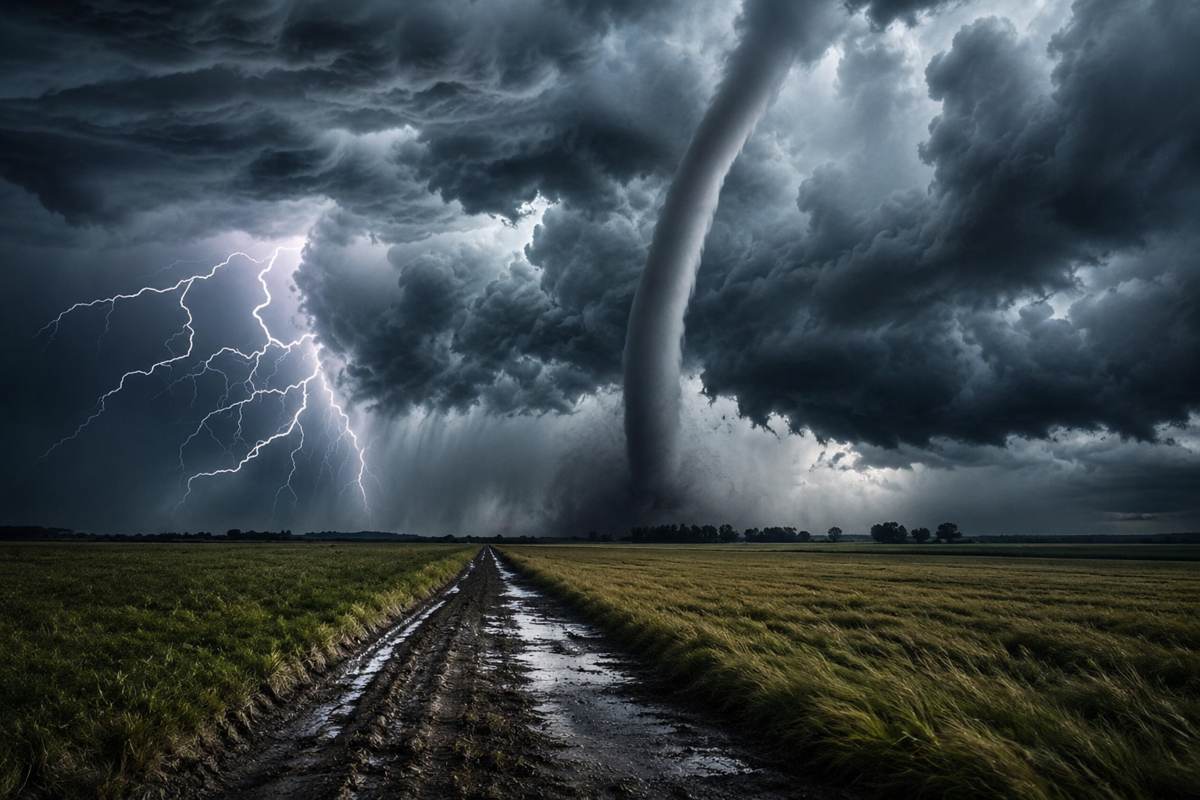
Hurricanes are massive rotating storm systems that form over warm ocean waters and can pack winds exceeding 157 mph at their most extreme, capable of reshaping coastlines and altering history in a matter of hours. Beyond the destruction they’re known for, hurricanes are also endlessly fascinating, from the physics that spins them into being to the record-breaking storms that have tested the limits of what nature can produce. This guide brings together the most interesting, surprising, and scientifically grounded facts about hurricanes, covering everything from how they form and get their names to the deadliest and costliest storms ever recorded.
According to NOAA, the Atlantic basin averages about 14 named storms per year, with roughly 7 becoming hurricanes, a number that has been climbing as ocean temperatures rise. Whether you’re curious about the science behind the swirl, looking for more geography trivia to share, or want to understand how storms like Irma and Katrina earned their place in history, you’ll find it all below.
What Is a Hurricane? (Quick Definition)
A hurricane is a strong, rotating storm system that develops over warm tropical or subtropical ocean waters and produces sustained winds of at least 74 mph. It’s essentially a giant heat engine drawing energy from warm seawater and releasing it through wind, rain, and pressure changes that can stretch hundreds of miles wide. Hurricanes are one of three regional names for the same type of storm, and they’re classified by strength using a five-category scale that determines how much damage they’re capable of causing.
How Hurricanes Form
Hurricanes form when warm ocean water, typically at least 80°F, evaporates and rises, creating an area of low pressure near the surface. If you’re curious about the waters that fuel these storms, these ocean facts explain just how much heat energy the sea can store and release. As this warm, moist air climbs and cools, it condenses into towering clouds and releases heat, which fuels even more rising air and draws in surrounding wind.
The Earth’s rotation then bends this inflowing air into a spin, a process known as the Coriolis effect, which is why hurricanes rotate counterclockwise in the Northern Hemisphere and clockwise in the Southern Hemisphere. If conditions stay favorable warm water, low wind shear, and enough distance from the equator for rotation to take hold this system organizes into a defined eye surrounded by a wall of intense thunderstorms, officially becoming a hurricane once winds reach 74 mph.
Hurricane vs Typhoon vs Cyclone What’s the Difference?
Hurricanes, typhoons, and cyclones are the same kind of storm; the only difference is where in the world they occur. Storms that form in the Atlantic Ocean or the Northeast Pacific are called hurricanes; those that form in the Northwest Pacific near Asia are called typhoons; and storms in the South Pacific and Indian Ocean are called cyclones. Meteorologically, there’s no distinction in structure, wind speed, or formation process; a typhoon in Japan and a hurricane in Florida are meteorologically identical, just labeled according to regional naming conventions that developed independently over time.
The Saffir-Simpson Scale Explained
The Saffir-Simpson Hurricane Wind Scale ranks hurricanes from Category 1 to Category 5 based on sustained wind speed, giving forecasters and the public a quick way to gauge potential damage. Category 1 storms bring winds of 74–95 mph and cause mostly minor damage. In comparison, Category 5 storms with winds exceeding 157 mph can level well-built homes and make areas uninhabitable for weeks or months, damage severe enough that even structures as engineered as the Burj Khalifa are designed with extreme wind loads in mind.
The scale was created in the early 1970s by engineer Herbert Saffir and meteorologist Robert Simpson. While it only measures wind speed, it remains the most widely used shorthand for communicating a hurricane’s destructive potential, even though factors like storm surge and rainfall often cause more damage than wind alone.
Interesting and Surprising Hurricane Facts
Hurricanes are far stranger and more powerful than most people realize, releasing energy comparable to thousands of nuclear bombs and behaving in ways that defy everyday intuition. Beyond the wind and rain, these storms hide a long list of surprising facts about hurricane, from their staggering energy output to widespread myths that even seasoned storm-watchers get wrong.
Facts That Will Blow Your Mind
A single mature hurricane can release energy equivalent to about 10,000 nuclear bombs per day, mostly through the heat generated as water vapor condenses into rain. Hurricanes are also enormous water-movers; a large storm can dump over a trillion gallons of rain on a region in just a few days, enough to supply a major city for years. Perhaps most surprising is scale: hurricane cloud systems can span over 600 miles across, a size comparable to entire mountain ranges like the tallest mountains in the world laid end to end, meaning a single storm can affect multiple states or countries simultaneously while its eye, often just 20 to 40 miles wide, remains eerily calm and sometimes even sunny.
Little-Known Hurricane Trivia
Hurricanes weren’t always named after people; the practice of using human first names only began in the U.S. in 1953, and male names weren’t added to the rotation until 1979. Before that, storms were tracked using longitude and latitude coordinates, which made public communication confusing during active hurricane seasons. Another little-known fact is that hurricane names are permanently retired if a storm is especially deadly or costly; names like Katrina, Harvey, and Maria will never be reused, out of respect for the communities involved and to avoid confusion in historical records.
Facts Most People Get Wrong
One of the most common misconceptions is that wind is the primary danger in a hurricane; in reality, storm surge and inland flooding cause the vast majority of hurricane-related deaths, not wind itself. Many people also assume a Category 1 hurricane is “not a big deal,” but even lower-category storms can produce life-threatening flooding and tornadoes well after landfall. Another widespread myth is that hurricanes only threaten coastal areas; storms like Hurricane Harvey in 2017 proved that catastrophic flooding can strike hundreds of miles inland. Even regions as far from the coast as the East Coast National Parks have felt the remnants of weakened tropical systems long after landfall.
Funny and Weird Hurricane Facts
Not every hurricane fact is about destruction and danger; some of the strangest, most memorable facts about hurricanes are downright funny, from bizarre naming mishaps to storms that produced truly odd side effects. These lighter, lesser-known stories make hurricanes just as entertaining as they are formidable.
Odd Hurricane Naming Stories
Hurricane names sometimes cause unintentional comedy, like when a storm shares its name with a celebrity or public figure, leading to confused headlines and social media chatter. Hurricane Kanye and Hurricane Isaac both sparked jokes online purely because of their names. There’s also a quirky rule that if all 21 names on the annual list get used up, meteorologists turn to a supplemental list of names rather than the Greek alphabet (a change made after 2020’s record-breaking season, which confused storms like “Hurricane Eta”). Even the process of retiring names has odd moments; the World Meteorological Organization once had to specifically confirm that “Hurricane Sandy” would never be reused, despite the name’s ordinary, non-threatening sound.
Bizarre Things Hurricanes Have Done
Hurricanes have been known to produce strange side effects far beyond wind and rain, including “raining” fish and frogs when storm surge or waterspouts scoop up small animals and drop them elsewhere. In 2004, Hurricane Charley was so powerful it actually shifted a small Florida lake’s shoreline overnight, permanently altering property lines a strange echo of the mysterious water-level shifts sometimes documented in these scary facts about Lake Tahoe. Hurricanes have also been documented spinning off dozens of tornadoes as they make landfall. Hurricane Ivan in 2004 spawned 127 confirmed tornadoes, an unusually high number that surprised even veteran meteorologists.
Fun Trivia to Share
The eye of a hurricane can be so mild that birds, disoriented after being caught in the storm, sometimes fly directly into it and get trapped, traveling with the storm until it dissipates. Hurricanes also have a favorite month; historically, the peak of Atlantic hurricane season falls right around September 10th, when ocean temperatures and atmospheric conditions align most favorably for storm formation.
And in a fittingly strange twist, hurricanes are big enough to be seen from space with the naked eye, with astronauts aboard the International Space Station regularly photographing their perfectly spiraled cloud formations from over 250 miles above Earth, just one of many incredible space facts that show how visible our planet’s weather really is from orbit.
Record-Breaking Hurricanes
Hurricane records reveal just how extreme these storms can become, from wind speeds that shatter meteorological instruments to death tolls and price tags that reshaped disaster preparedness forever. These facts about hurricanes highlight the outer limits of what nature has proven capable of producing.
Strongest Hurricanes on Record
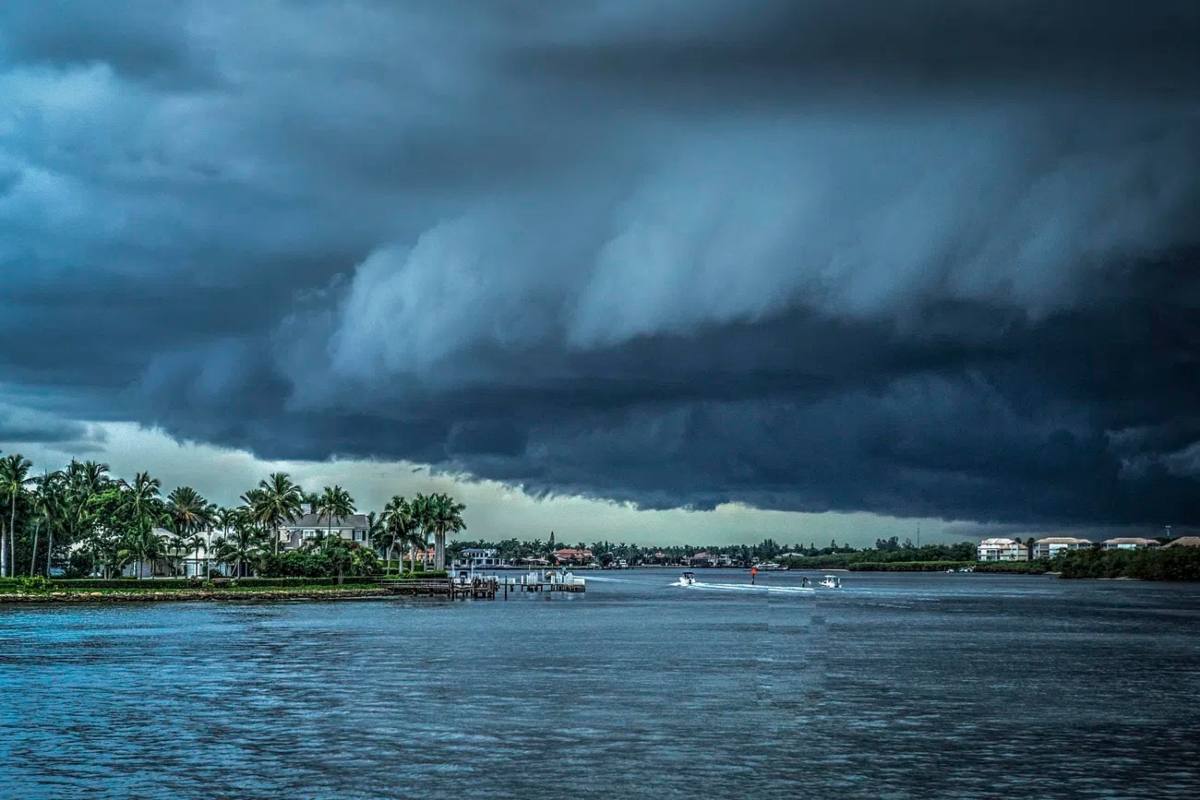
The strongest hurricane ever recorded by sustained wind speed is Hurricane Patricia, which reached an astonishing 215 mph in the Eastern Pacific in 2015, making it the most powerful tropical cyclone ever measured in the Western Hemisphere. In the Atlantic specifically, Hurricane Allen holds the wind speed record, peaking at 190 mph in 1980. Strength is also measured by central pressure, and by that metric, Hurricane Wilma in 2005 set the Atlantic record with a pressure of just 882 millibars; the lower the pressure, the more intense the storm’s core.
Deadliest Hurricanes in History
The deadliest Atlantic hurricane on record is the Great Hurricane of 1780, which struck the Caribbean before modern forecasting existed and killed an estimated 22,000 to 27,000 people across several islands. In modern U.S. history, Hurricane Katrina remains the deadliest storm, responsible for roughly 1,392 deaths in 2005 due to catastrophic levee failures and flooding in New Orleans. Globally, the deadliest tropical cyclone ever recorded is the 1970 Bhola Cyclone in Bangladesh, which killed an estimated 300,000 to 500,000 people, a stark reminder that storm surge, not wind, is typically the deadliest hurricane hazard.
Costliest Hurricanes Ever Recorded
Hurricane Katrina also holds the record as the costliest hurricane in U.S. history, causing an estimated $125 billion in damage when adjusted figures are combined with Hurricane Harvey, which tied it in 2017 with a similar total. Hurricane Ida in 2021 and Hurricane Ian in 2022 both rank among the top five costliest storms, each causing well over $100 billion in damage as coastal development and property values have driven costs sharply upward in recent decades. According to NOAA, the U.S. has experienced more billion-dollar hurricane disasters in the past 20 years than in the previous 40 combined, reflecting both stronger storms and denser coastal populations.
Longest-Lasting Hurricanes
Hurricane John in 1994 holds the record for the longest-lasting tropical cyclone, remaining a named storm for 31 days as it looped across the Pacific Ocean, an endurance feat almost comparable to how long it can take mountaineers to complete their journey when they climb Mount Everest. Most hurricanes last just a week to 10 days from formation to dissipation, making John’s month-long lifespan a significant outlier even among long-tracked storms. Longevity records like this typically occur in the open Pacific, where storms can wander for weeks without encountering land or the cooler waters and wind shear that usually weaken a hurricane’s structure.
Notable Hurricanes Through History
Certain hurricanes stand out not just for their strength, but for the lasting impact they had on communities, policy, and disaster response. These storms have become permanent reference points whenever facts about hurricanes are discussed, shaping how the public and emergency officials think about storm risk today.
Hurricane Irma Key Facts
Hurricane Irma, which struck in September 2017, was one of the most effective Atlantic hurricanes ever recorded, sustaining 185 mph winds for 37 straight hours longer than any storm on record anywhere on Earth. Irma devastated Barbuda, destroying an estimated 95% of the island’s structures and forcing a complete evacuation for the first time in over 300 years. The storm caused an estimated $77 billion in damage across the Caribbean and Florida, making it one of the costliest hurricanes in Atlantic history and a defining example of just how long a major hurricane can sustain peak intensity.
Hurricane Katrina Key Facts
Hurricane Katrina made landfall in August 2005 as a Category 3 storm, but its lasting damage came from a storm surge that overwhelmed New Orleans’ levee system, flooding roughly 80% of the city. Katrina is the deadliest hurricane in modern U.S. history, killing approximately 1,392 people, and the costliest, with damage estimates reaching $125 billion. Beyond the immediate destruction, Katrina exposed critical flaws in disaster preparedness and emergency response, prompting a nationwide overhaul of FEMA protocols and levee engineering standards that are still in place today.
Other Historic Storms Worth Knowing
Hurricane Andrew in 1992 was the first storm to cause over $25 billion in damage, and its aftermath led directly to stricter building codes in Florida that are credited with reducing damage in later storms. The 1900 Galveston Hurricane remains the deadliest natural disaster in U.S. history overall, killing an estimated 8,000 to 12,000 people before modern forecasting could provide any warning. More recently, Hurricane Maria in 2017 devastated Puerto Rico, striking out power to the entire island and contributing to an estimated death toll of nearly 3,000 people, making it one of the deadliest storms to strike U.S. territory in the past century.
Hurricane Science and Behavior
The behavior of a hurricane how it’s named, why it spins, and what happens at its calmest point is governed by a precise mix of atmospheric science and long-standing meteorological convention. Understanding these mechanics helps explain why hurricanes behave the way they do, and why forecasters can track them with increasing accuracy each year.
How Hurricanes Get Their Names
Hurricanes are named using a predetermined list maintained by the World Meteorological Organization, which cycles through six alphabetical lists of names on a six-year rotation, alternating between male and female names. A storm officially receives a name once its sustained winds reach 39 mph, classifying it as a tropical storm; it keeps that same name if it later strengthens into a hurricane. If a storm causes exceptional damage or loss of life, its name is permanently retired from the rotation and replaced with a new one, which is why names like Katrina, Sandy, and Maria will never be used again for future storms.
Why Hurricanes Spin the Way They Do
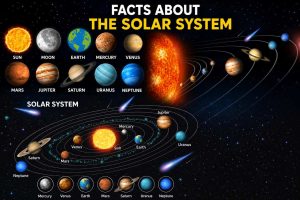
Hurricanes spin because of the Coriolis effect, a result of Earth’s rotation that deflects moving air to the right in the Northern Hemisphere and to the left in the Southern Hemisphere the same planetary mechanics that show up throughout these facts about the solar system when comparing how spin and rotation shape weather across different worlds.
As air rushes inward toward a hurricane’s low-pressure center, this deflection forces it into a rotating pattern rather than a straight path, creating the storm’s signature counterclockwise spin north of the equator. This same effect is essentially absent directly at the equator, which is why hurricanes rarely form within about 300 miles of it; there simply isn’t enough rotational force to get a storm spinning in the first place.
What Happens Inside the Eye of a Hurricane
The eye of a hurricane is a fairly calm, often clear area at the storm’s center, typically 20 to 40 miles wide, where winds are light, and skies can even show blue patches or stars at night. This calm exists because sinking air in the eye suppresses cloud formation, in stark contrast to the eyewall surrounding it, a ring of the storm’s most intense thunderstorms and strongest winds. Passing through the eye can be disorienting for those on the ground, since the sudden shift from violent winds to eerie stillness sometimes leads people to believe the storm has ended mistakenly, only for the equally dangerous back half of the eyewall to arrive minutes later.
Hurricane Safety and Preparedness Quick Facts
Knowing how hurricane season works and separating fact from myth can make a real difference when a storm threatens your area. These practical facts about hurricanes cut through common confusion and help explain why certain precautions matter more than others.
How Hurricane Season Works
Atlantic hurricane season officially runs from June 1 to November 30, with activity typically peaking between mid-August and late October when ocean temperatures are at their warmest. The National Hurricane Center tracks storms throughout this window, issuing watches and warnings as systems develop, with a hurricane watch meaning conditions are possible within 48 hours and a hurricane warning meaning conditions are expected within 36 hours. According to NOAA, an average Atlantic season produces about 14 named storms, 7 of which become hurricanes and 3 of which reach major hurricane status (Category 3 or higher). However, recent years have consistently trended above these historical averages as ocean temperatures continue to rise.
Common Hurricane Myths Debunked
One persistent myth is that taping windows in an X-pattern protects them from breaking during a hurricane; in reality, tape does nothing to strengthen glass and can even create larger, more dangerous shards if the window does shatter. Another common misconception is that inland areas are safe from hurricane threats, when in fact flooding from heavy rainfall, like the catastrophic flooding Hurricane Harvey caused hundreds of miles from the coast, in terrain as dry as the largest desert in the world under normal conditions, is often more deadly than coastal wind damage.
Many people also believe a storm’s category alone tells you how dangerous it will be, but a “weaker” Category 1 or 2 hurricane can still produce life-threatening storm surge and flash flooding, which is why evacuation orders should always be taken seriously regardless of a storm’s official classification.
Conclusion
Hurricanes are one of nature’s most powerful and complex phenomena, capable of releasing more energy in a single day than thousands of nuclear bombs while also holding surprising, even lighthearted quirks that most people never learn about. From the science of how they spin to the record-breaking storms that reshaped disaster response forever, these facts about hurricanes show just how much there is to understand beyond the headlines of destruction.
As ocean temperatures continue to rise, NOAA data shows Atlantic hurricane activity trending above historical averages a trend that makes understanding these storms more relevant than ever, not just as a matter of curiosity, but as a matter of preparedness. Whether you came here for the science, the records, or simply the strangest trivia to share, hurricanes remain a reminder of how much power and mystery still exists in the natural world above our heads.
Frequently Asked Question(FAQs)
What are some interesting facts about hurricanes?
A single hurricane can unleash energy equivalent to about 10,000 nuclear bombs per day, mostly through heat released as water vapor condenses into rain. Hurricanes can also span over 600 miles wide, yet their calm eye at the center is often just 20 to 40 miles across.
How many hurricanes form each year?
The Atlantic basin averages about 14 named storms per year, with roughly 7 strengthening into hurricanes, according to NOAA. Around 3 of those typically become major hurricanes, reaching Category 3 or higher.
What was the worst hurricane ever?
By death toll, the 1970 Bhola Cyclone in Bangladesh was the deadliest tropical cyclone in history, killing an estimated 300,000 to 500,000 people. In the U.S., Hurricane Katrina remains the deadliest and costliest modern storm, causing 1,392 deaths and $125 billion in damage.
How are hurricanes different from tropical storms?
A tropical storm evolves into a hurricane once its sustained winds reach 74 mph, marking the threshold where the storm develops a defined eye and eyewall structure. Below that speed, the same system is classified as a tropical storm or tropical depression, depending on wind intensity.
Can hurricanes be stopped or weakened artificially?
No proven method exists to stop or significantly weaken a hurricane, despite decades of proposed ideas like seeding storms with chemicals or cooling ocean water. The sheer scale of energy involved, equivalent to thousands of nuclear bombs daily, makes any large-scale intervention currently impossible with existing technology.