One ear of medium boiled corn contains about 90 calories, 19 grams of carbohydrates, 2 grams of fiber, and 3 grams of protein, making it one of the more calorie-dense vegetables on the plate and one of the most nutrient-rich. These corn nutrition facts shift depending on the form corn takes: a cup of canned corn carries more sodium than fresh, a corn tortilla brings fewer calories than its flour counterpart, and a bowl of corn flakes can pack more added sugar than a serving of candy corn.
Because corn shows up in so many everyday foods on the cob, canned, popped, ground into tortillas, or processed into breakfast cereal, its nutrition profile isn’t one fixed number. It changes with preparation, portion size, and processing. This guide breaks down the calories, carbs, fiber, sugar, and micronutrients in every major form of corn, so you know exactly what you’re eating no matter which version ends up on your plate.
Corn Nutrition Facts at a Glance
A standard serving of corn roughly one medium ear or a half-cup of kernels delivers around 90 to 100 calories along with a solid mix of fiber, protein, and micronutrients that make it more nutritionally complex than most people assume. Below is a breakdown of what’s actually in corn, per serving and per nutrient category.
Calories, Carbs, Fiber, Sugar and Protein Per Serving
A half-cup serving of yellow corn kernels contains approximately 66 calories, 14.5 grams of carbohydrates, 1.8 grams of fiber, 2.9 grams of natural sugar, and 2.5 grams of protein, according to USDA nutrient data. Most of corn’s calories come from carbohydrates. Still, its fiber content, about 7% of the daily recommended intake per serving, helps slow digestion and moderate the impact of that natural sugar on blood glucose. This macronutrient balance is fairly consistent across corn varieties, though preparation method (boiled, grilled, creamed) can shift calorie and sugar counts slightly.
Vitamins and Minerals in Corn (B Vitamins, Magnesium, Antioxidants)
Corn is a notable source of B vitamins, particularly thiamine, niacin, and folate, which support energy metabolism and cell function. It also provides magnesium, potassium, and small amounts of phosphorus, minerals that contribute to muscle and nerve function. Beyond vitamins and minerals, corn contains the carotenoid antioxidants lutein and zeaxanthin, compounds concentrated in the retina and linked to eye health, making corn one of the more accessible dietary sources of these two nutrients. Staying adequately hydrated also plays a role in how well the body absorbs and uses these nutrients; see our guide on facts about water for more on daily hydration needs.
Is Corn a Vegetable, Grain or Both?
Corn is technically both, depending on how it’s harvested and consumed. Fresh corn eaten on the cob or as kernels is classified as a vegetable, while dried corn the kind ground into cornmeal, corn flour, or processed into cereals like corn flakes is classified as a whole grain. This dual identity is why corn can appear in USDA dietary guidance under either food group, and why its nutrition profile varies so widely between an ear of sweet corn and a bowl of corn-based cereal.
Fresh and Whole Corn Nutrition
Fresh corn eaten straight off the cob or as loose kernels is the least processed form of corn and generally the closest to its natural nutrient profile. How it’s cooked and which growth stage it’s harvested at both change the numbers, sometimes more than people expect.
Corn on the Cob Nutrition Facts (Per Ear, Boiled vs. Grilled)
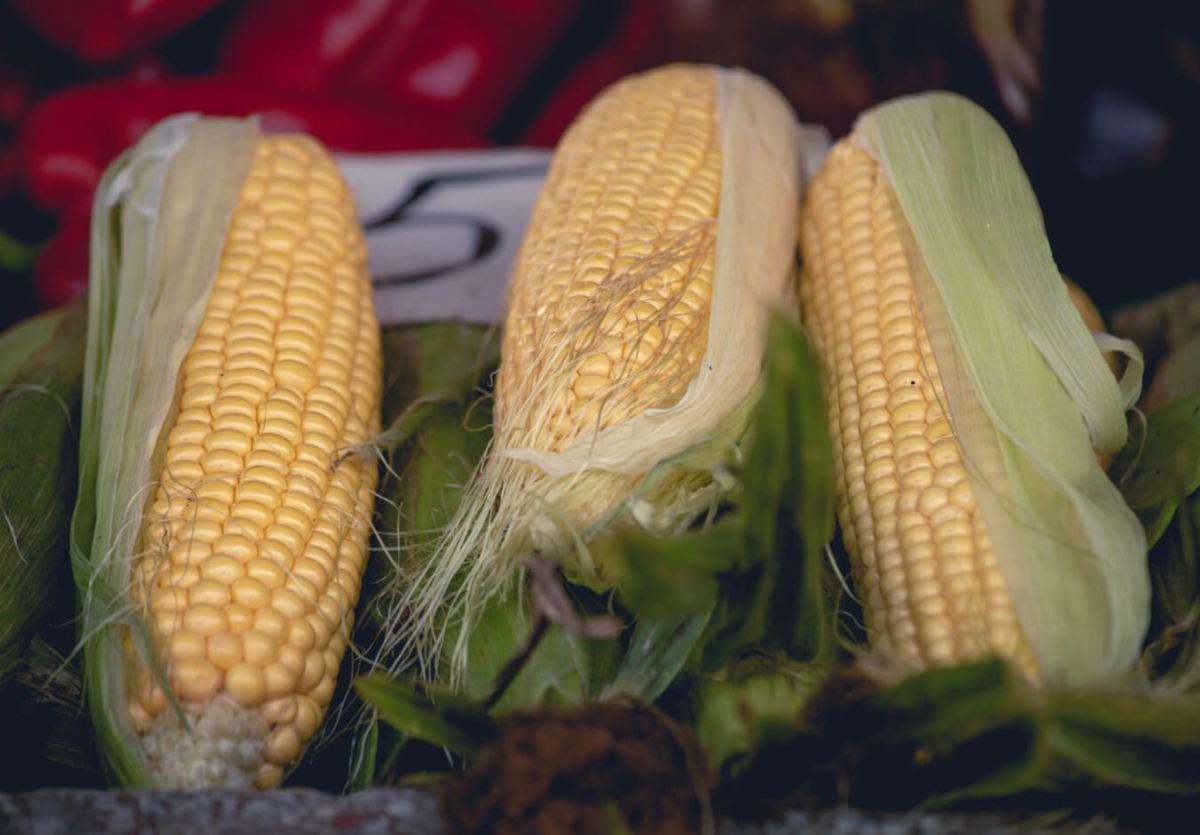
One medium ear of boiled corn on the cob contains about 90 calories, 19 grams of carbohydrates, 2 grams of fiber, 3 grams of protein, and 1 gram of fat, with virtually no added sodium unless salted after cooking. Grilling corn brings the calorie count slightly higher, closer to 95–100 calories per ear, mainly because light charring concentrates sugars and any oil or butter brushed on before cooking. Nutritionally, boiling and grilling preserve most of corn’s fiber and protein content similarly; the main differences show up in added fats and sodium rather than the corn itself.
Sweet Corn vs Young Corn Nutrition Differences
Sweet corn, the mature yellow variety most common in the U.S., is higher in natural sugar and calories than young corn, which is harvested early before the kernels fully develop starch and sugar content. A half-cup of sweet corn kernels carries roughly 3 grams of sugar, while young corn often used in stir-fries and Asian cuisine contains closer to 1 gram of sugar per serving and fewer overall calories. Young corn also has a slightly higher water content and a crunchier texture, making it lower in carbohydrate density than fully matured sweet corn.
Nutrition Changes When Cooking Corn on the Cob
Cooking method has a measurable effect on corn’s nutrient retention, particularly for heat-sensitive vitamins like vitamin C. Boiling corn can reduce vitamin C content by up to 30–40% due to leaching into the water, while grilling and steaming tend to preserve more of the original vitamin content since the kernels aren’t submerged in liquid. Fiber, protein, and mineral content (like magnesium and potassium) remain largely stable regardless of cooking method, meaning the choice between boiling, grilling, or steaming affects vitamin retention more than it does the core macronutrient profile.
Canned Corn Nutrition Facts
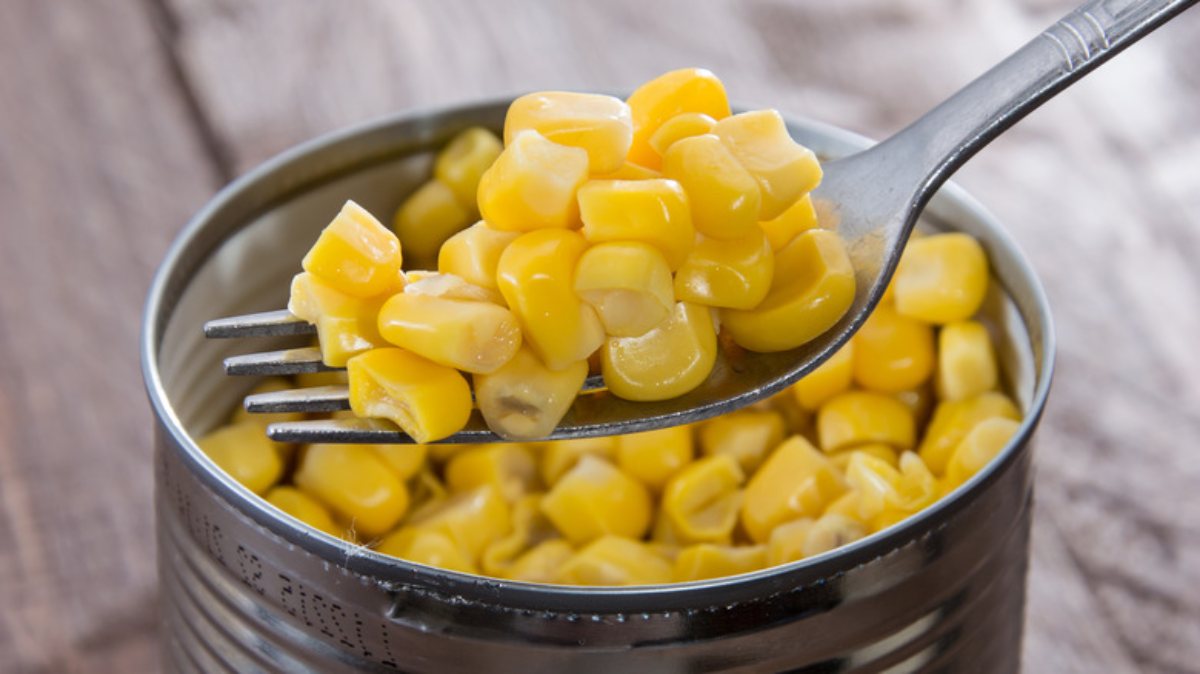
Canned corn nutrition facts differ from fresh corn primarily in sodium content, since canning typically involves packing kernels in a salted liquid for preservation. A half-cup serving of canned corn contains roughly 80 calories, 15 grams of carbohydrates, 2 grams of fiber, and 2 grams of protein, nutritionally similar to fresh corn, but with sodium levels that can run significantly higher depending on the brand.
Canned Corn vs Fresh Corn Nutrition Comparison
Canned corn and fresh corn are close in calories, carbohydrates, and fiber, but they diverge sharply in sodium: a half-cup of canned corn can contain 250–360 milligrams of sodium, compared to just 5–15 milligrams in the same amount of fresh corn. Canning can also slightly reduce heat-sensitive vitamins like vitamin C during processing, though minerals such as magnesium and potassium remain largely intact. The trade-off is convenience and shelf life in exchange for added sodium and a modest dip in certain vitamins.
Sodium and Added Sugar in Canned Corn (What to Watch For)
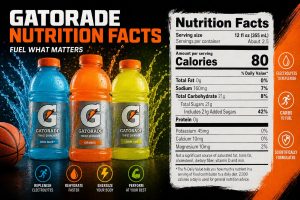
Standard canned corn is typically packed with salt for flavor and preservation, and some brands add sugar or corn syrup to enhance sweetness, which can push a half-cup serving past 300 milligrams of sodium and several grams of added sugar beyond corn’s natural sugar content. Reading the nutrition label matters here: “no salt added” or “low-sodium” versions can cut sodium by more than half compared to standard canned corn, while rinsing canned corn under water before eating has been shown to reduce surface sodium by roughly 25%. For context on how sodium and electrolytes work together in the body, our breakdown of Gatorade nutrition facts covers how sodium intake ties into hydration and electrolyte balance.
Best Low-Sodium Canned Corn Picks
When choosing a lower-sodium canned corn, look for labels marked “no salt added,” “low sodium,” or “unsalted,” which generally contain under 10 milligrams of sodium per serving compared to 250+ milligrams in regular versions. Brands that pack corn in water rather than a seasoned brine tend to have the cleanest nutrition profile, and checking the ingredient list for added sugar or corn syrup can help you avoid versions with unnecessary sweeteners. For the lowest-sodium option overall, plain frozen corn or fresh corn remains a closer match to corn’s natural nutritional state than any canned variety.
Corn Tortilla Nutrition Facts
One 6-inch corn tortilla contains about 52 calories, 11 grams of carbohydrates, 1.5 grams of fiber, and 1.4 grams of protein, making it one of the lighter tortilla options by both calorie count and fat content. Corn tortilla nutrition facts stand out mainly for their lower calorie and fat profile compared to flour tortillas, along with a naturally gluten-free composition.
Corn Tortillas vs Flour Tortillas: Which Is Healthier?
A 6-inch corn tortilla has roughly half the calories of a comparably sized flour tortilla, which typically runs 90–110 calories due to added fat (usually lard or vegetable shortening) used in the dough. Corn tortillas also tend to have less sodium, often under 10 milligrams, compared to 150–200 milligrams in flour tortillas, since traditional corn tortilla recipes rely on masa (corn dough) rather than added salt and fat for texture. For anyone watching calorie or sodium intake, corn tortillas generally come out ahead, though flour tortillas provide a softer texture that some prefer for wraps and burritos.
Carbs and Fiber in Corn Tortillas
Corn tortillas contain slightly less total carbohydrate per tortilla than flour tortillas, but a notably better fiber-to-carb ratio: about 1.5 grams of fiber per 11 grams of carbs, compared to roughly 1 gram of fiber per 18 grams of carbs in a flour tortilla. This higher relative fiber content comes from the whole corn used in masa, which retains more of the kernel’s natural fiber than refined wheat flour does. That fiber contributes to a lower glycemic impact, meaning corn tortillas are less likely to cause the same blood sugar spike as their flour counterparts. If you’re comparing carb sources across cuisines, our guide to udon noodles nutrition breaks down a similar fiber-to-carb comparison for wheat-based noodles.
Gluten-Free Benefits of Corn Tortillas
Corn tortillas are naturally gluten-free, made from ground corn (masa) rather than wheat flour, making them a reliable staple for people with celiac disease or gluten sensitivity. Because they don’t rely on gluten for structure the way wheat-based tortillas do, corn tortillas maintain their nutritional profile without needing gluten-free substitute ingredients that sometimes add extra starch or sugar to replicate texture. This makes traditional corn tortillas one of the few tortilla options that are gluten-free by default rather than by reformulation.
Popcorn Nutrition Facts
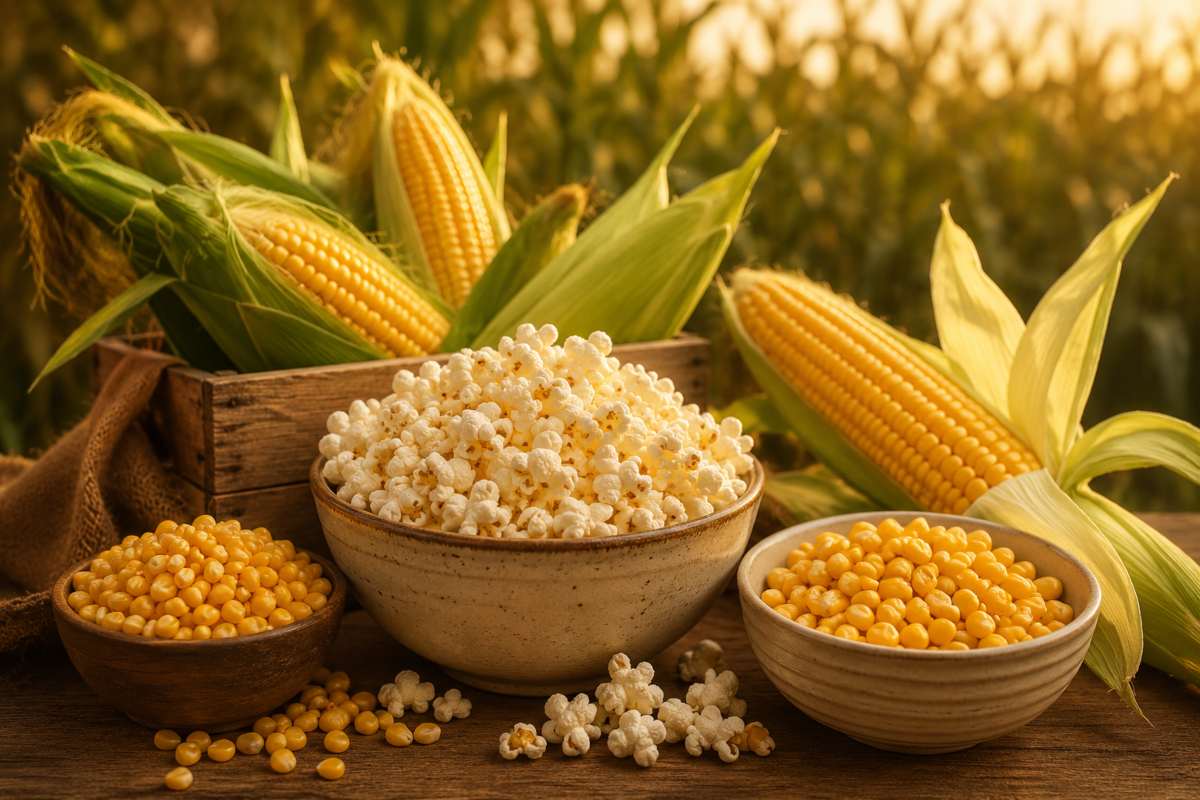
A 3-cup serving of air-popped popcorn contains about 93 calories, 19 grams of carbohydrates, 3.5 grams of fiber, and 3 grams of protein, making it one of the lower-calorie, higher-fiber snack options made from corn. Popcorn nutrition facts change dramatically once butter, oil, or flavorings enter the picture, which is where most of the snack’s reputation for being unhealthy actually comes from.

Air-Popped vs Buttered Popcorn Nutrition
Air-popped popcorn stays close to whole-grain corn’s natural nutrition profile, but adding butter or oil can more than double the calorie count; a 3-cup serving with butter and salt can reach 150–200 calories, with 8–10 grams of added fat that isn’t present in the air-popped version. Movie theater and microwave butter-flavored popcorn push this further, often adding 300–400 milligrams of sodium and additional saturated fat per serving. The corn itself doesn’t change nutritionally between preparations; the added fats and sodium are what shift popcorn from a light snack to a more calorie-dense one.
Is Popcorn a Healthy Snack? (Fiber and Calorie Breakdown)
Air-popped popcorn is considered a whole grain and delivers a notably high fiber content relative to its calorie count: about 3.5 grams of fiber for under 100 calories per 3-cup serving, which is more fiber per calorie than most chips or crackers offer. This fiber-to-calorie ratio is a key reason popcorn is often recommended as a satisfying, lower-calorie snack option, since fiber slows digestion and contributes to feeling full longer.
The healthfulness of popcorn largely comes down to preparation: air-popped or lightly seasoned popcorn retains these benefits, while heavily buttered or sugar-coated versions (like kettle corn) can offset the fiber advantage with added calories, fat, or sugar. If you’re weighing other light, low-calorie snack options, our rice cakes nutrition facts guide covers a similarly low-calorie, whole-grain alternative.
Corn-Based Cereal and Candy Nutrition
Once corn is processed into cereal or candy, its nutrition profile shifts away from the whole-grain, high-fiber version found in fresh or canned corn toward one shaped largely by added sugar and fortification. A one-cup serving of corn flakes, for example, includes about 100 calories and 24 grams of carbohydrates, but less than 1 gram of fiber a significant drop from whole corn’s natural fiber content.
Corn Flakes Nutrition Facts (Sugar, Fiber, Fortified Vitamins)
A standard one-cup serving of corn flakes contains roughly 100 calories, 24 grams of carbohydrates, 2 grams of sugar, less than 1 gram of fiber, and 2 grams of protein. Because the corn used in flakes is milled and deprived of its bran and germ during processing, most of the fiber naturally present in whole corn is lost, which is why manufacturers typically fortify corn flakes with added vitamins and minerals, commonly vitamin D, iron, and B vitamins like folic acid and niacin, to offset that nutritional loss.
This fortification is why a bowl of corn flakes can list nearly 25% of the daily value for several vitamins despite containing minimal fiber compared to fresh corn. For the story behind the cereal’s iconic mascot, see our piece on the Frosted Flakes tiger.
Corn Pops Nutrition Facts
Corn Pops, a sweetened corn-based cereal, contain about 110 calories, 26 grams of carbohydrates, 12 grams of sugar, and less than 1 gram of fiber per one-cup serving, roughly six times the sugar content of plain corn flakes. Like corn flakes, Corn Pops are fortified with vitamins and minerals to compensate for fiber lost in processing. Still, the significantly higher sugar content puts them closer to a dessert cereal than a whole-grain breakfast option. The corn used is the same base grain as other cereals; the nutritional difference comes almost entirely from the sugar coating added during manufacturing. For another sweetened cereal comparison, our Fruit Loops breakdown covers a similarly sugar-forward breakfast option.
Candy Corn Nutrition Facts (Sugar Content and Serving Size)
A standard 19-piece serving of candy corn (about 1 ounce) contains roughly 140 calories, 36 grams of carbohydrates, and 34 grams of sugar, with virtually no fiber, protein, or fat. Despite its name, candy corn contains little to no actual corn; its “corn” reference comes from its shape and historical marketing rather than corn as an ingredient, with sugar, corn syrup, and honey making up the bulk of its composition. Because nearly all of its carbohydrate content comes from sugar, candy corn nutrition facts place it firmly in the confectionery category rather than alongside other corn-derived foods with any meaningful nutritional value. For other sugar-forward treats worth comparing, see our guides to Jordan almonds and Dynasty flavor cake.
Health Benefits of Corn
Whole and fresh corn offers more than just calories and carbohydrates; its fiber content supports digestion, its antioxidants benefit eye health, and its overall nutrient profile can fit into both weight management and diabetes-conscious eating patterns when portioned appropriately. These benefits are strongest in corn’s less-processed forms, since fiber and antioxidant content decline as corn is refined into cereals or candy.
Corn and Digestive Health (Fiber Content)
A half-cup serving of corn provides about 2 grams of fiber, contributing to the roughly 25–38 grams of daily fiber intake recommended for adults, and supporting regular digestion by adding bulk to stool and feeding beneficial gut bacteria. Corn’s fiber is a mix of both soluble and insoluble types, meaning it offers the dual benefit of slowing digestion for steadier blood sugar response while also promoting regularity. This fiber content is largely preserved in fresh, canned, and popped corn, but is significantly reduced in processed corn products like corn flakes, where milling strips away much of the fibrous bran layer.
Antioxidants in Corn (Lutein and Zeaxanthin for Eye Health)
Corn is one of the more accessible dietary sources of lutein and zeaxanthin, two carotenoid antioxidants that accumulate in the retina and are linked to decreased risk of age-related macular degeneration and cataracts. Research has associated diets higher in lutein and zeaxanthin with better long-term eye health outcomes, and yellow corn in particular contains higher concentrations of these compounds than white corn varieties, since the pigment responsible for corn’s yellow color is closely tied to its carotenoid content. Eating corn regularly, alongside other lutein-rich foods like leafy greens, is one of the more practical ways to support eye health through diet.
Is Corn Good for Weight Loss or Diabetes?
Corn can fit into both a weight-loss plan and a diabetes-conscious diet, but portion size and preparation method matter more than the vegetable itself. Its fiber content, about 2 grams per half-cup, helps promote satiety and can moderate the blood sugar response that would otherwise come from its natural carbohydrate content, giving corn a moderate glycemic index rather than a high one.
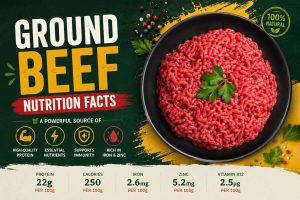
The concern for both goals arises less from corn in its whole form and more from how it’s prepared: creamed corn, corn dishes cooked in butter, or processed corn products like corn flakes and candy corn carry added sugar or fat that can undermine both weight management and blood sugar control, while plain boiled, grilled, or air-popped corn remains a reasonable choice for either goal. If protein is also a priority in your meal planning, our ground beef nutrition facts guide pairs well with corn’s carb and fiber profile for balancing a full plate.
Conclusion
Corn’s nutrition facts vary widely depending on its form; a boiled ear of corn on the cob delivers about 90 calories and 2 grams of fiber with virtually no sodium, while the same corn processed into flakes, popped, or turned into candy can shift dramatically in sugar, sodium, or fiber content depending on how far it’s traveled from its whole-grain origin.
The healthiest corn choices tend to be the least processed ones: fresh corn on the cob, low-sodium canned corn, corn tortillas, and air-popped popcorn all retain meaningful fiber and antioxidants like lutein and zeaxanthin, while heavily sweetened cereals and candy corn offer little beyond added sugar. Whichever form ends up on your plate, checking the label, particularly for sodium in canned varieties and sugar in cereals or candy, is the simplest way to know exactly what you’re getting from corn nutritionally.
Frequently Asked Questions(FAQs)
How Many Calories Are in One Ear of Corn?
One medium ear of boiled corn contains about 90 calories, along with 19 grams of carbohydrates and 2 grams of fiber. Calorie count rises slightly with grilling or added butter, but the corn itself stays consistent across cooking methods.
Is Corn Healthier Than Rice or Potatoes?
Corn generally offers more fiber per serving than white rice and comparable fiber to potatoes, while providing antioxidants like lutein that neither alternative contains.
Does Corn Have More Sugar Than Other Vegetables?
Corn contains more natural sugar than many vegetables, with about 3 grams per half-cup compared to under 1 gram in vegetables like broccoli or spinach. This is why corn is sometimes classified more like a starchy vegetable than a leafy green.
Can You Eat Corn Every Day?
Yes, corn can be eaten daily as part of a balanced diet, since its fiber, vitamins, and antioxidants offer real nutritional value in moderate portions. The main consideration is that daily servings of buttered, salted, or processed corn products can add up in sodium, fat, or sugar over time.